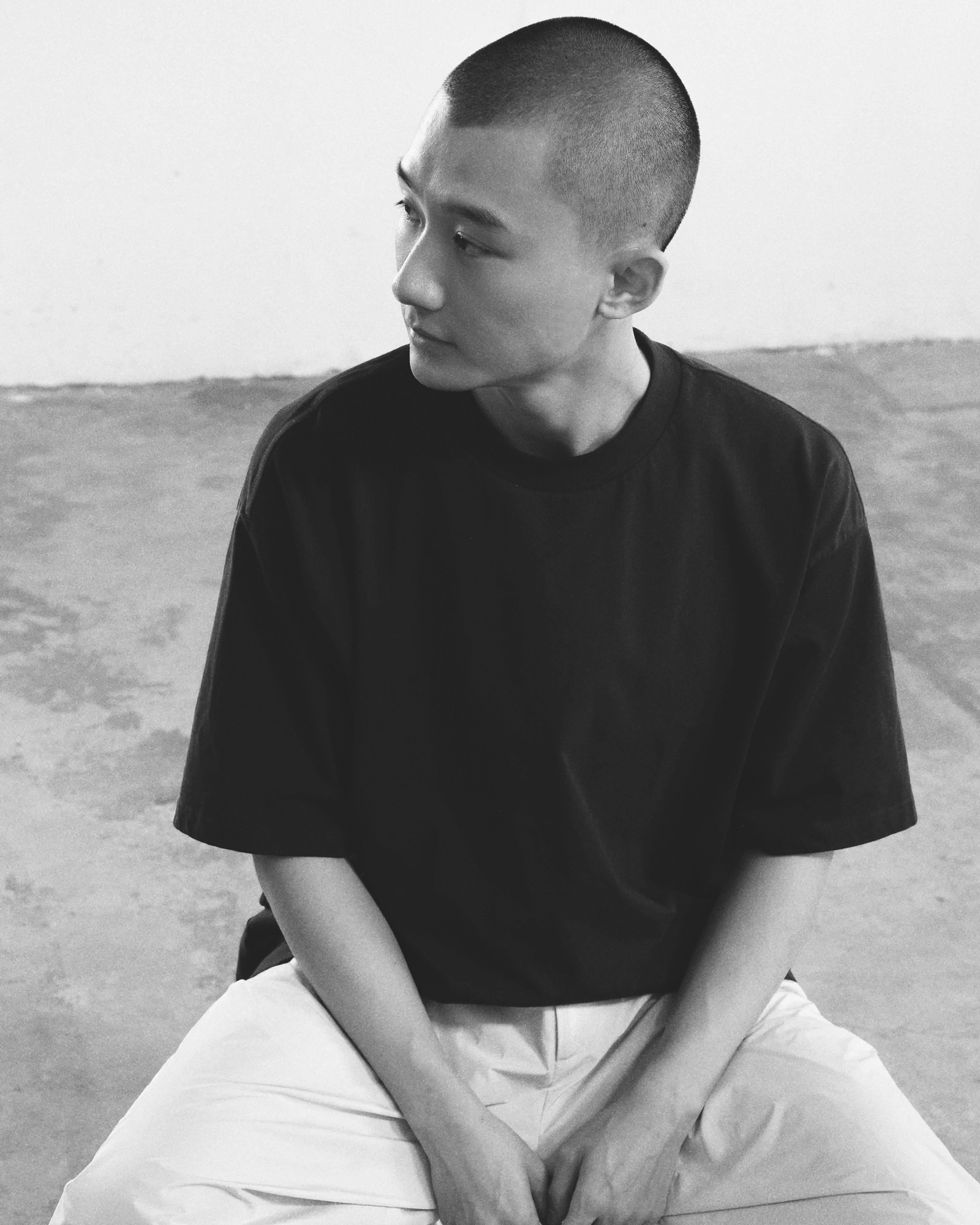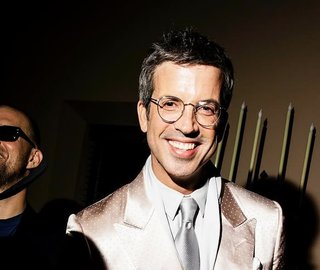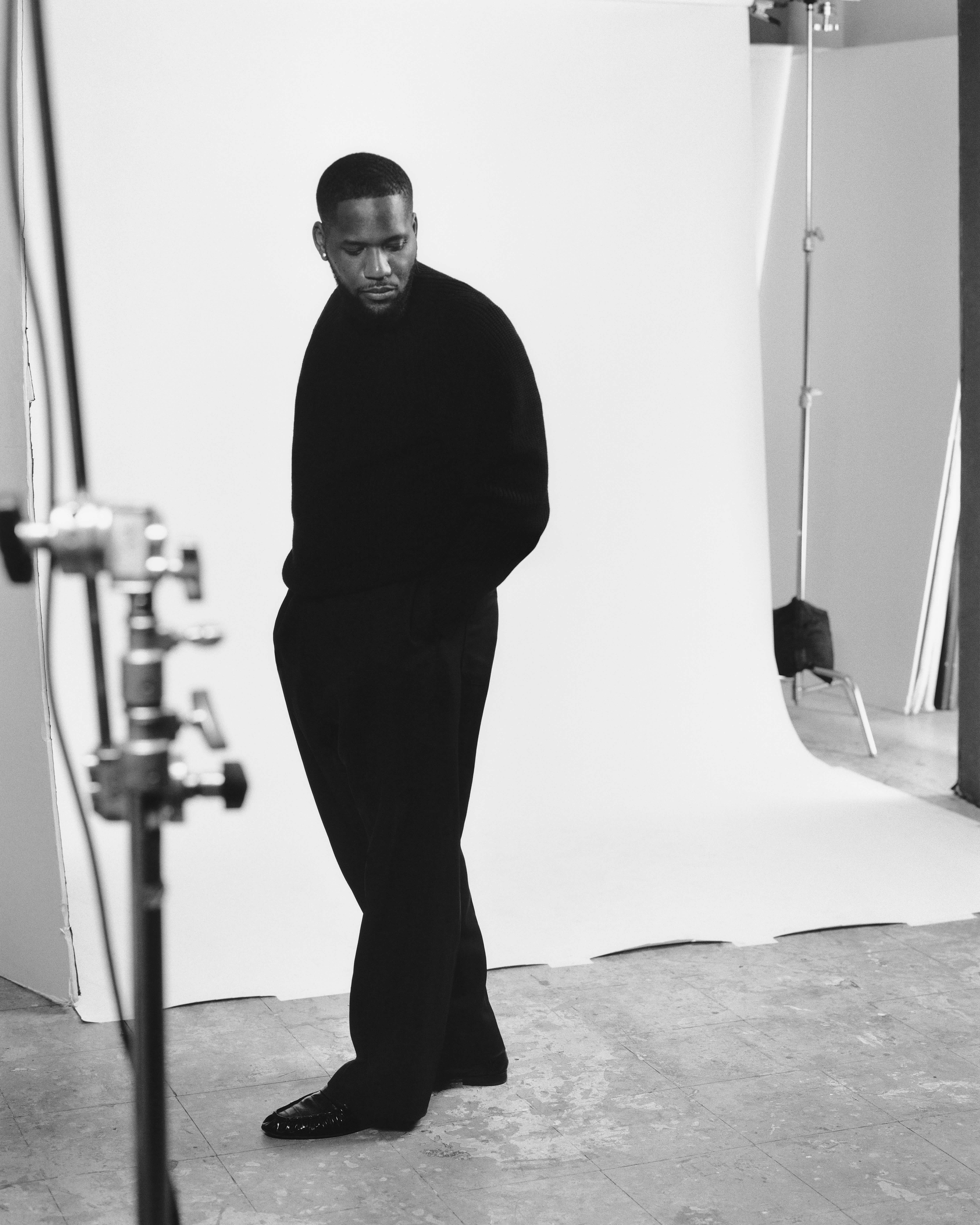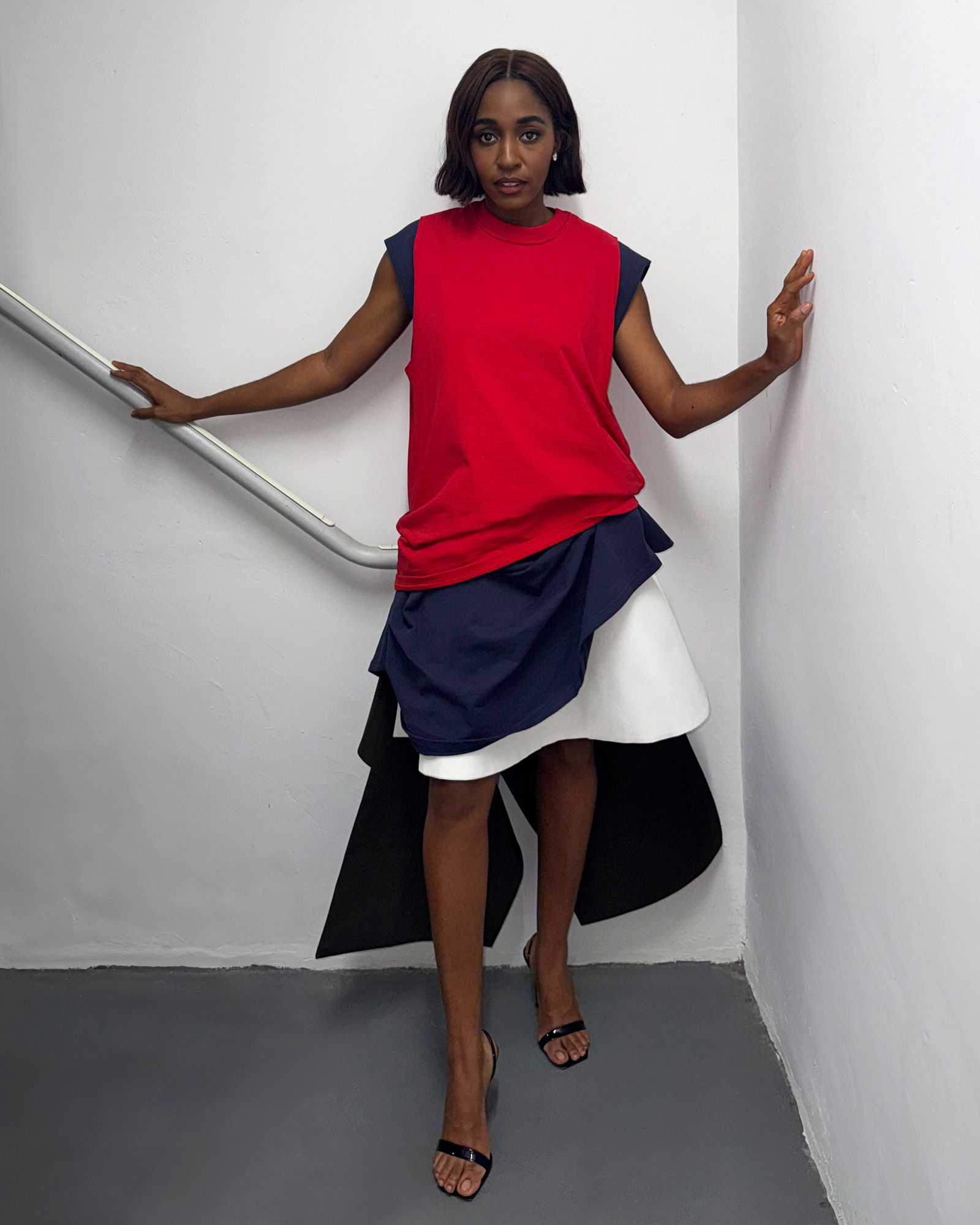
For designer Zane Li, fashion has always been a process of exploration—a way to investigate form, texture, and cultural memory. Raised in Chongqing, China, Lii’s earliest encounters with style came from sitting in his mother’s beauty salon, fashion campaign imagery plastered the walls and magazines piled the tables. She became his first muse, teaching him the power of proportion, presence, and subtle sophistication—lessons that continue to shape his work today. A graduate of FIT and a former Proenza Schouler intern, Li launched his label, Lii, shortly after finishing school. The brand is grounded in a disciplined approach to minimalism, filtered through a technical, utilitarian sportswear lens, and aligned with a modernist lineage—recalling the restraint of Calvin Klein, Jil Sander, and Helmut Lang—while articulating a contemporary point of view that feels precise and intentional. Lii’s collections are built from careful consideration of proportion, texture, and silhouette, drawing inspiration from architecture, contemporary art fairs, and the visual language of his Chinese upbringing.
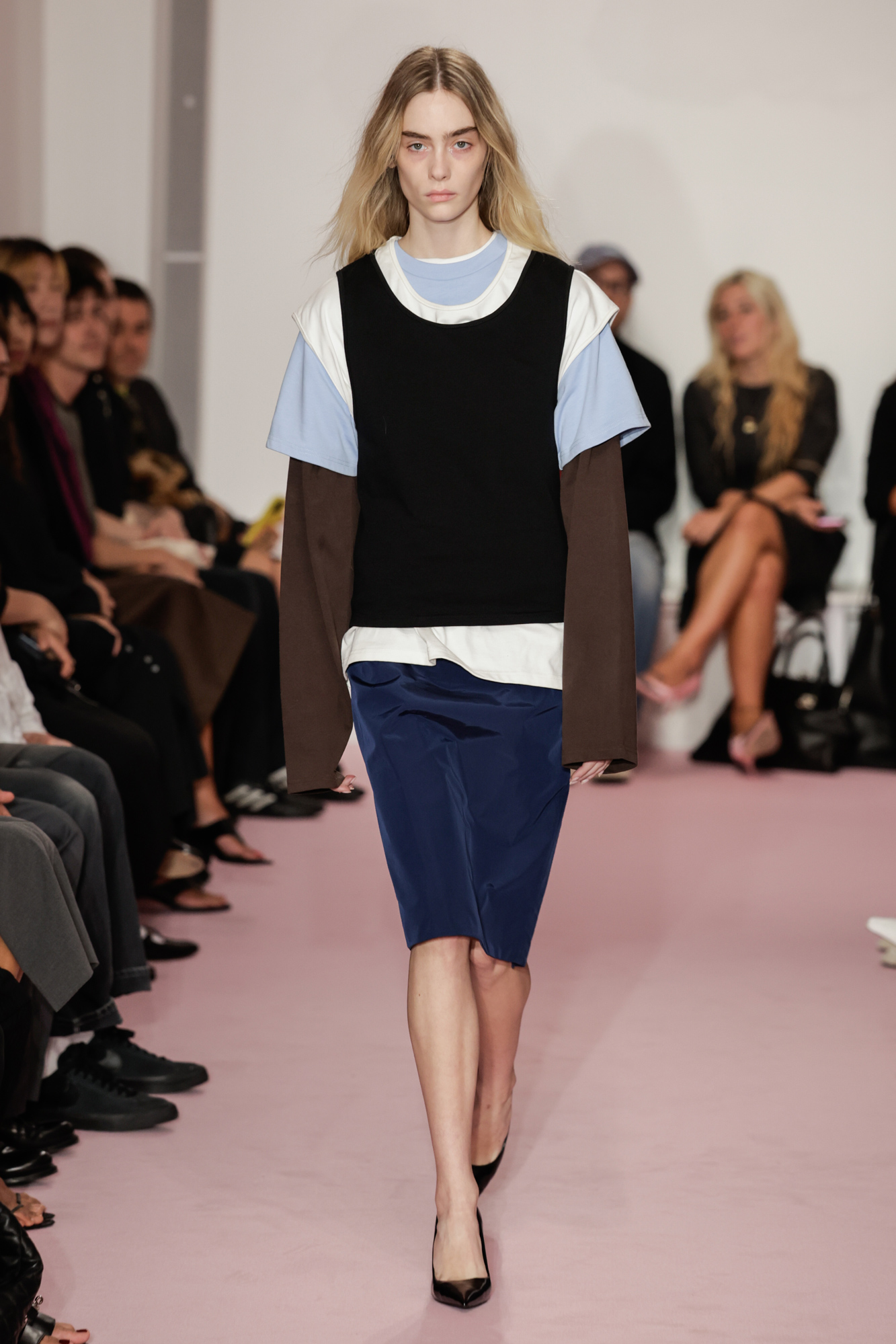
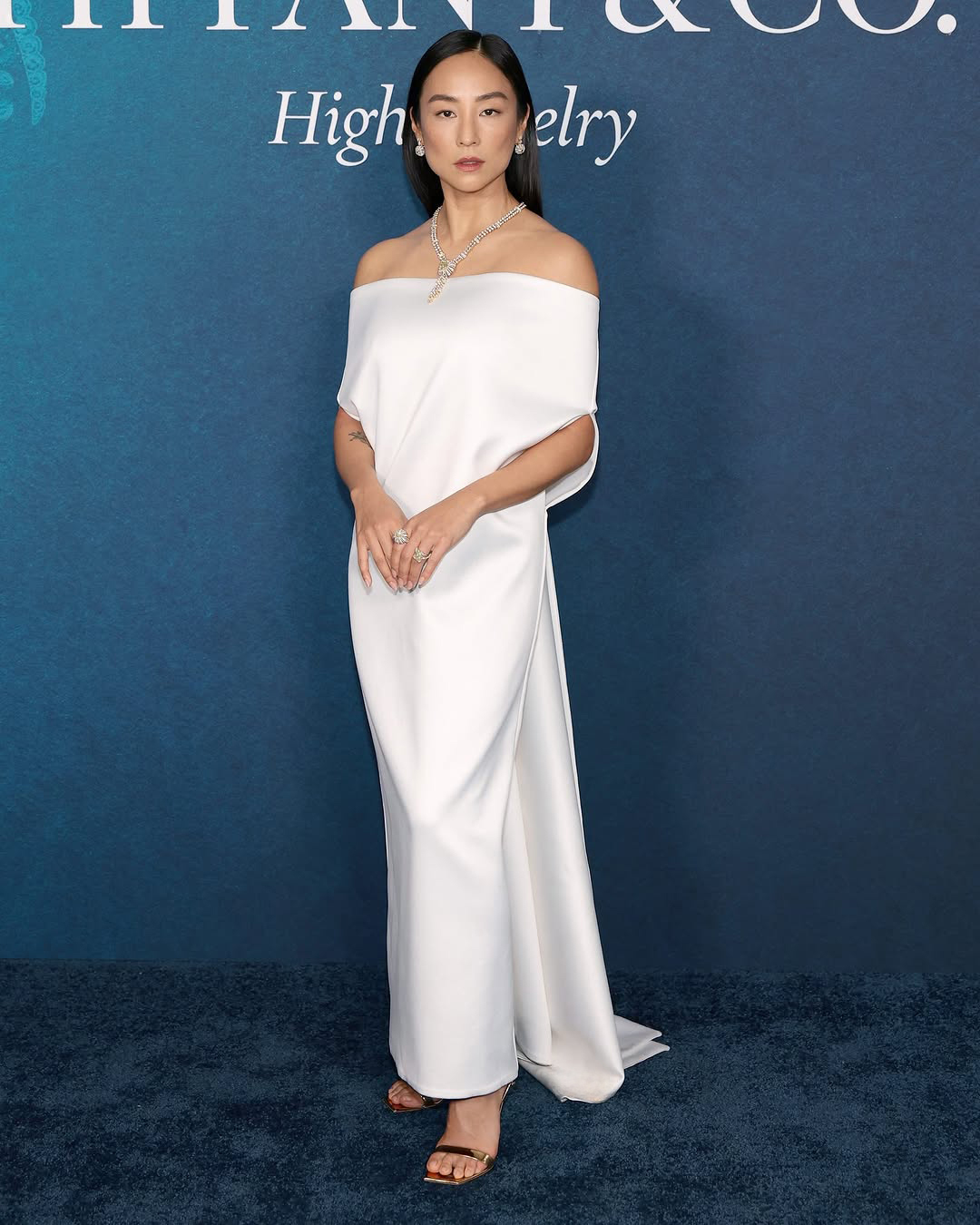
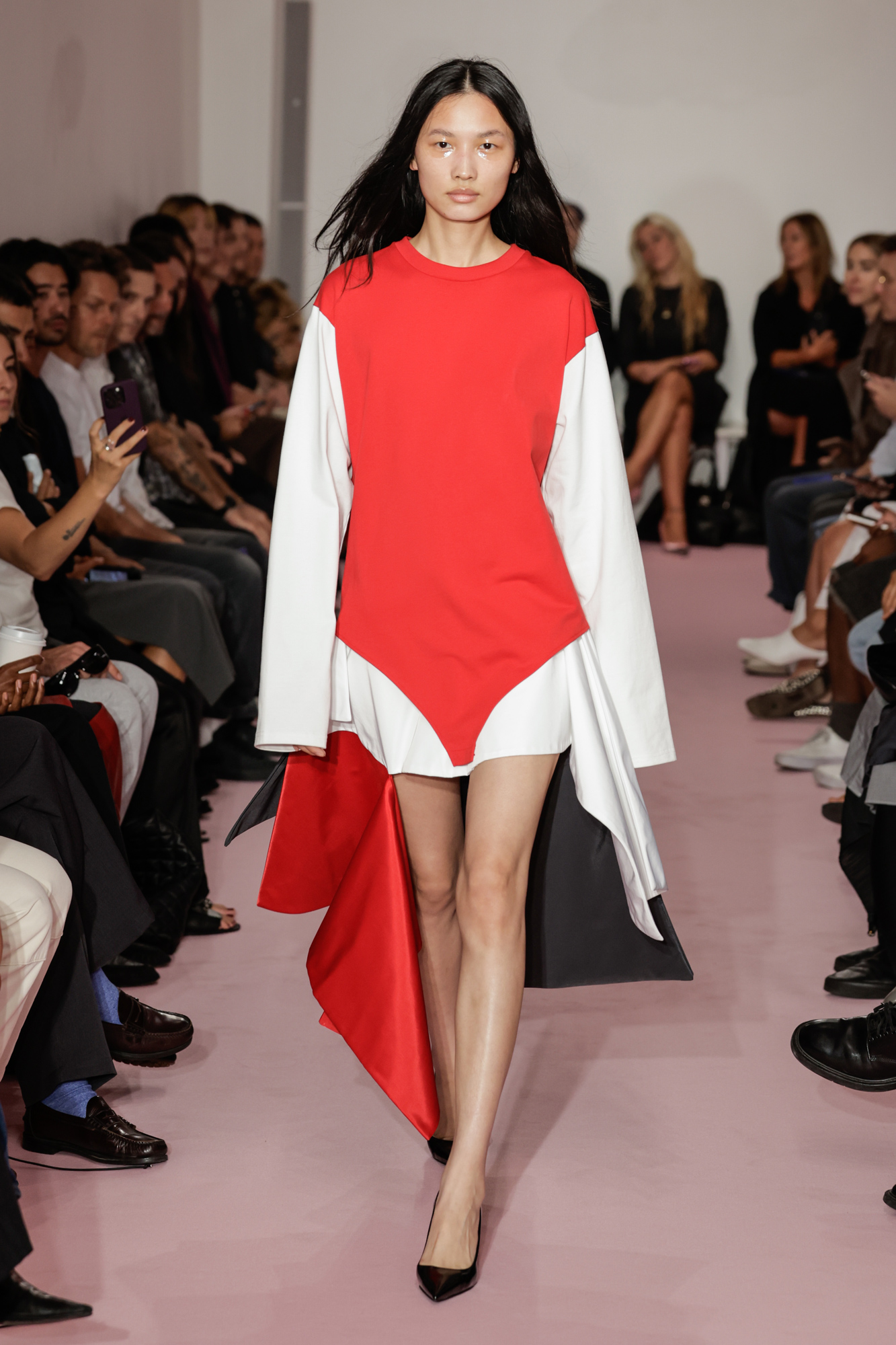
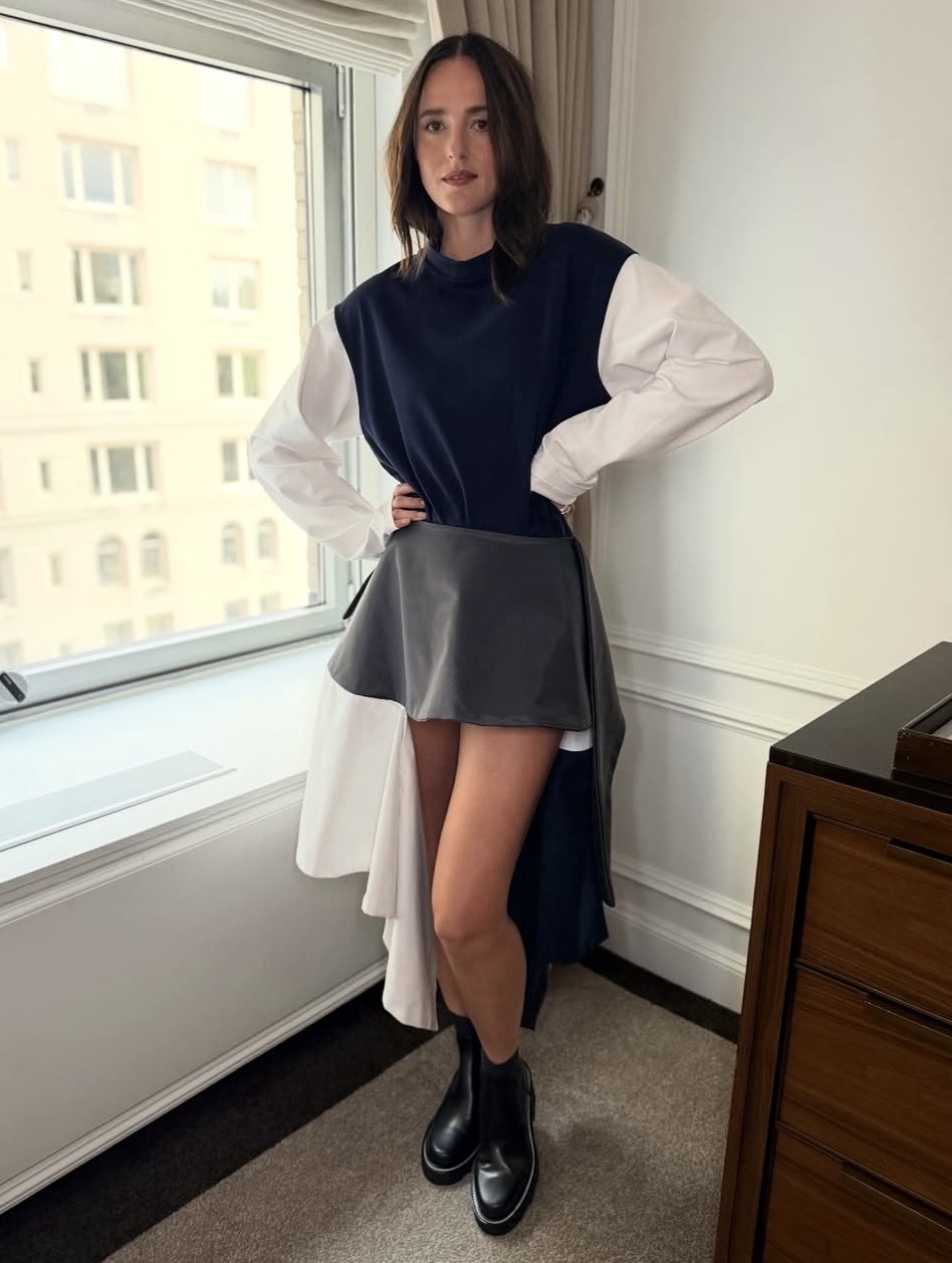
In just under three years, Lii has cultivated a fashion-insider following, worn by the likes of Jennifer Lawrence, Ayo Edebiri, Beverly Nguyen, and Greta Lee, and featured in publications including Arena Homme +. Li approaches minimalism with a willingness to experiment, reframing eveningwear through an activewear lens, as in his first physical runway show this past September for Spring/Summer 2026, in a fitting Tribeca gallery, where anorak-fabric evening dresses, deconstructed windbreakers transformed into dresses and ponchos, and sheer slip dresses subtly recontextualized familiar sportswear codes. Deeply embedded in visual culture, from Asian cinema to contemporary art, and unapologetically New Yorker, Li balances study with playful curiosity, often while blasting Janet Jackson on repeat throughout the studio. Models.com contributor Shelton Boyd-Griffith spoke with Li from his studio in China about the art references informing his brand, his collaboration with Nike, the influence of Chinese minimalism, and his vision for Lii’s place within contemporary fashion.
What are your earliest memories of fashion?
I grew up in Chongqing, which is now hyper-metropolitan, as you can see on Instagram and TikTok. But when I was growing up, it felt almost like a deserted place for fashion. It wasn’t especially trendy. I think my biggest influence in fashion comes from my mom, who ran a beauty salon while I was growing up. She always had magazines scattered on the tables for her clients, and when I was younger, after school, I would go back to her salon and religiously look through them, seeing the latest fashion and beauty ads from all over the world. She also had posters on the walls from Dior Beauty campaigns or Revlon, which felt very different from the environment I was growing up in. That’s probably my earliest memory of fashion. My mom herself is also a huge source of inspiration. She’s very into style—she loves a power shoulder, a cinched waist, she loves a moment. I feel like she was my first fashion character, or my first muse.
You’ve spoken about growing up in Chongqing—how does your Chinese heritage show up in your work in ways that aren’t immediately visible?
I think Asian culture, and especially Chinese culture, has a strong core of minimalism. From the inspirations I collect, or from the films I’ve watched, I’m consistently drawn to that sense of minimalism and to a delicate approach to using bold colors and varied textures—manipulating and executing them in a sophisticated, quiet way. During the design process, I often feel that adding a single slit to the back of a dress or a snap to different areas of a garment is enough to complete the look. I believe this sensibility comes from my upbringing, the culture I grew up with, and the many different contexts I was exposed to.
Where else does that minimalism come from?
I mean, the reason why I chose to study in New York was because I was looking at all these New York designers, back in the 90s, and how they approached minimalism in a way that merged a casualness into high fashion. Later, when I was in school, I got to know all these mid-century American artists and how they used different textures and shapes. That approach to execution became quite a staple of my design ethos.
Speaking of New York and speaking of FIT, how did that experience shape your approach to design?
Being in New York is a life-changing experience, like being able to take a train to school every day. New York is not like an actual college; your campus is the whole city, so I feel really lucky to have that experience. Also, FIT is quite technical in a way, and my experience there really taught me how to make a garment—how to sew and how to make pants fit properly. I think those technical skills are what back up all the ideas and fantasies I have and show me how to make them real, creating real garments for people.
After time in Paris, what made New York feel like the right place to return to for this past season?
New York is always the core of the brand. My husband and business partner, Jason—we live there together, and the Brand Studio is based there—and all my fashion education and awakening happened in New York. The brand’s identity is still, like, fully rooted in this kind of American aesthetic and an unapologetic New York-ness.
What was the original spark behind Lii?
At school, I interned at Proenza Schouler in my senior year and got to witness how an actual brand works. You see all the different layers of fashion. It’s more than just designing five dresses at school for a project. It’s a full-scale operation with different design departments. One is designing shoes, one is designing pants, one is designing knitwear. I found that I’m interested in the full picture of how to do a brand. It’s more than the pattern making, more than the draping—you have to think about the imagery, the styling, the photography, all the layers behind it. After school, it was quite hard to find a job in New York, so I figured, with the factory resources in China, especially in my hometown, where the factory is right now, “why don’t I just make, like, a collection and see how that goes?” And then we launched Fall ‘24 during Fashion Week and, surprisingly, got quite a big reception.
Your clothes often feel like they come from a place of study—of form, of texture, of restraint. What does your design process actually look like, day to day?
It’s always starting from collecting inspirations from different movies we’ve watched, different galleries we’ve been to, references we’ve seen online from the ’50s. Like how Cristóbal [Balenciaga] manipulated a dress in certain ways? And then all these inspirations are collected and scattered on my table. We’ll take those ideas and then start pattern making them, and then making them into prototypes. Then you have that fit on an actual body, and then we test out to see if that idea is actually working or not. So it’s always a process of experimenting with ideas and going back and forth.
You’ve referenced Doug Wheeler and the idea of space, texture, and perception in your design process, and this season you presented at a Tribeca gallery. What other artists or mediums are shaping your design language right now?
There was a recent show that we saw before Spring ‘26, a video installation show by Christian Marclay in Chelsea. It’s basically like a giant screen of different movie subtitles, and then he merged 20 layers of them with different colors in this giant space. That inspired and reminded me of how I want to test different archetypes from different eras, different silhouettes, different shapes, and how to merge them together into new silhouettes, and then test out the boundaries of traditional menswear, traditional womenswear, and then try to make a new shape.
What’s the soundtrack to your studio?
In the studio, I either play, like, hardcore deep house or a techno playlist from NTS Radio, soft soundtracks from Asian cinema, or traditional, classic music. But recently, I’ve been listening to Janet by Janet Jackson on constant repeat.

Talk to us about the collaboration with Nike this season. How did the connection come about?
Nike first reached out to us out of total surprise and offered to support us, whether we did a presentation or a runway show. We feel really grateful that it happened, and that’s actually the reason why we could even think about having a show for other budget reasons. Nike really gets the active and sporty components in the brand identity. We did six runway pieces utilizing their stock backpack fabrics and structural, woven fabrics, and then I incorporated those into the design. One of the fabrics that we pulled from their stock is this amazing, structural, practical piece that we could build shape on it, but also it’s comfortable to be in it, quite functional, and very us. When we look back at it, we’re like, “Oh, this was such a dream collaborator.”
This season was your first runway show. Why was now the right time to present in this format?
A show is definitely always the ideal format to present clothes. I mean, if the budget allowed, we would have shown from the first season, but showing this season came at the right time to do a show with people seeing how the clothes move in real life. It’s also very interesting to think about the different elements that are incorporated into completing a show: the interior design, the runway soundtrack, casting, styling. So I think it’s a really fortunate practice for the brand, and I think [it] really emphasizes the character and the world-building of it.
You are still early in your career, yet already balancing creation and business. What do you do to protect your creative self from the commercial demands of the industry?
Luckily, I have essential help like my husband, Jason, who is a pillar for me. He’s in charge of the styling side,press, and communications, and he’s always there to consult during the design process if I feel a little lost. From the commercial side, we’re working with this amazing showroom in Paris called clothes, and they handle the commerce side pretty well. So I get to have a little break or buffer from the troubles we designers face, and I get to focus on the design side more.
You’re two years out of FIT, and Lii is already gaining momentum. How are you thinking about growth at this stage?
I think the big picture is always hard to anticipate, and we’re not approaching the brand with the idea that we need to make tons of money in the next few seasons. What I do want is for Lii to be self-sufficient enough to have the budget to produce new samples, experiment with different materials, and explore more advanced techniques. As a designer, you always want to push into new areas, test new fabrics, and refine your methods. Right now, the focus for the brand is simply to keep designing and expanding creative possibilities.
What conversation do you hope Lii adds to the larger story of contemporary fashion?
I just want more and more people to see the clothes, and then maybe they will feel related to them. They see our references behind it. They see the sophistication we’re trying to put on. I just want to organically attract people who understand what we’re trying to say, and what our story and aesthetic is.