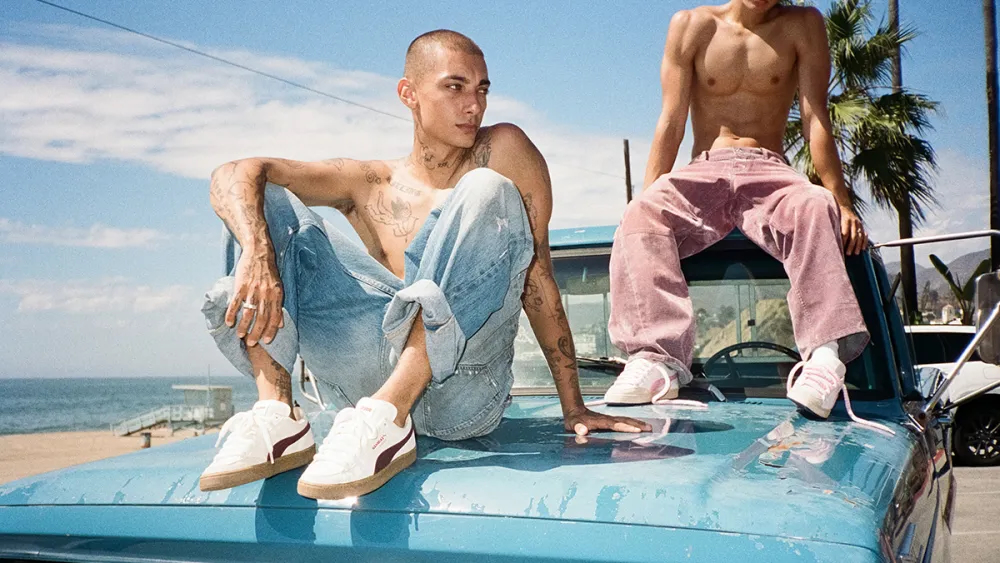
Puma x Nahmias Suede 2026 Campaign | Image courtesy of Nahmias
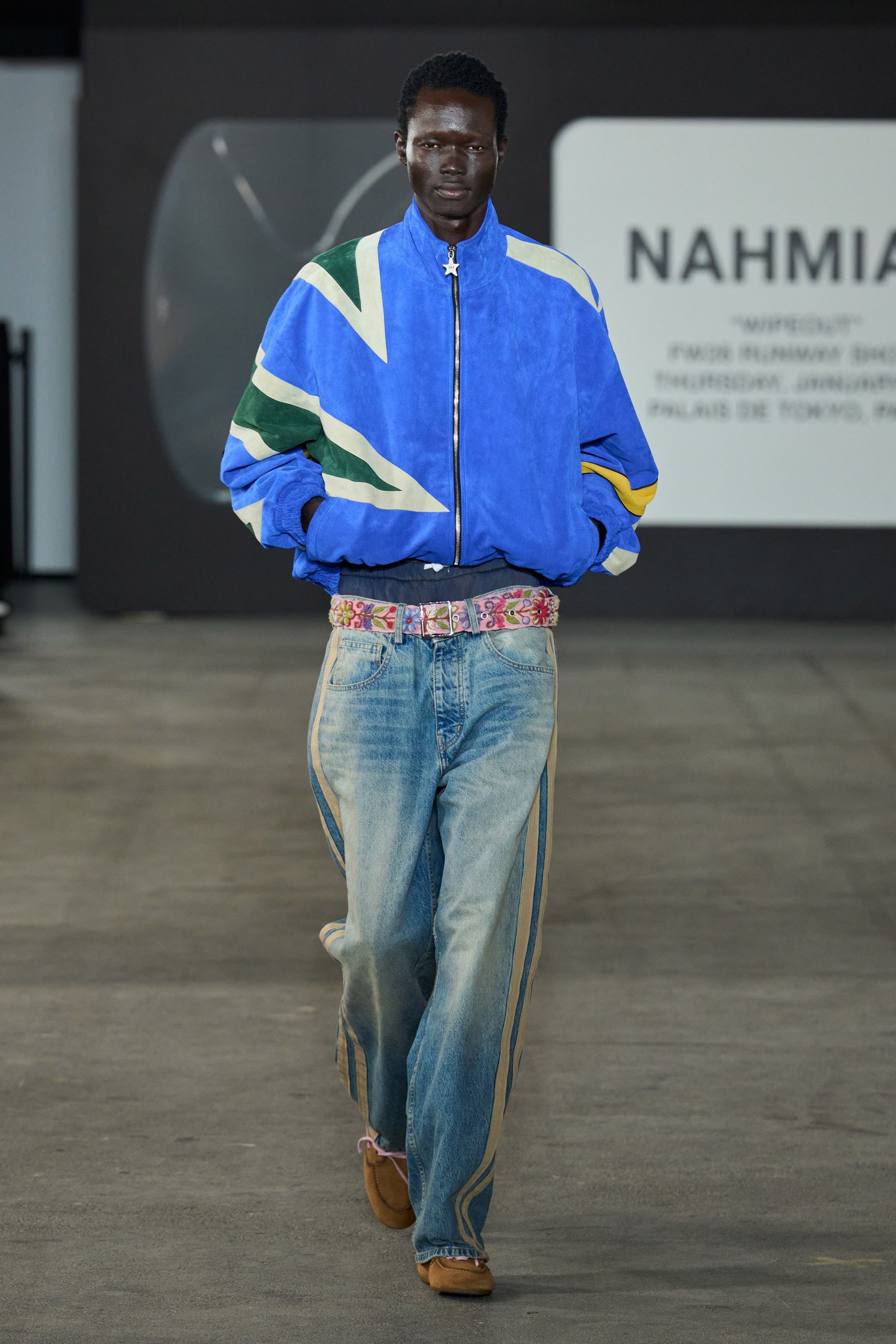
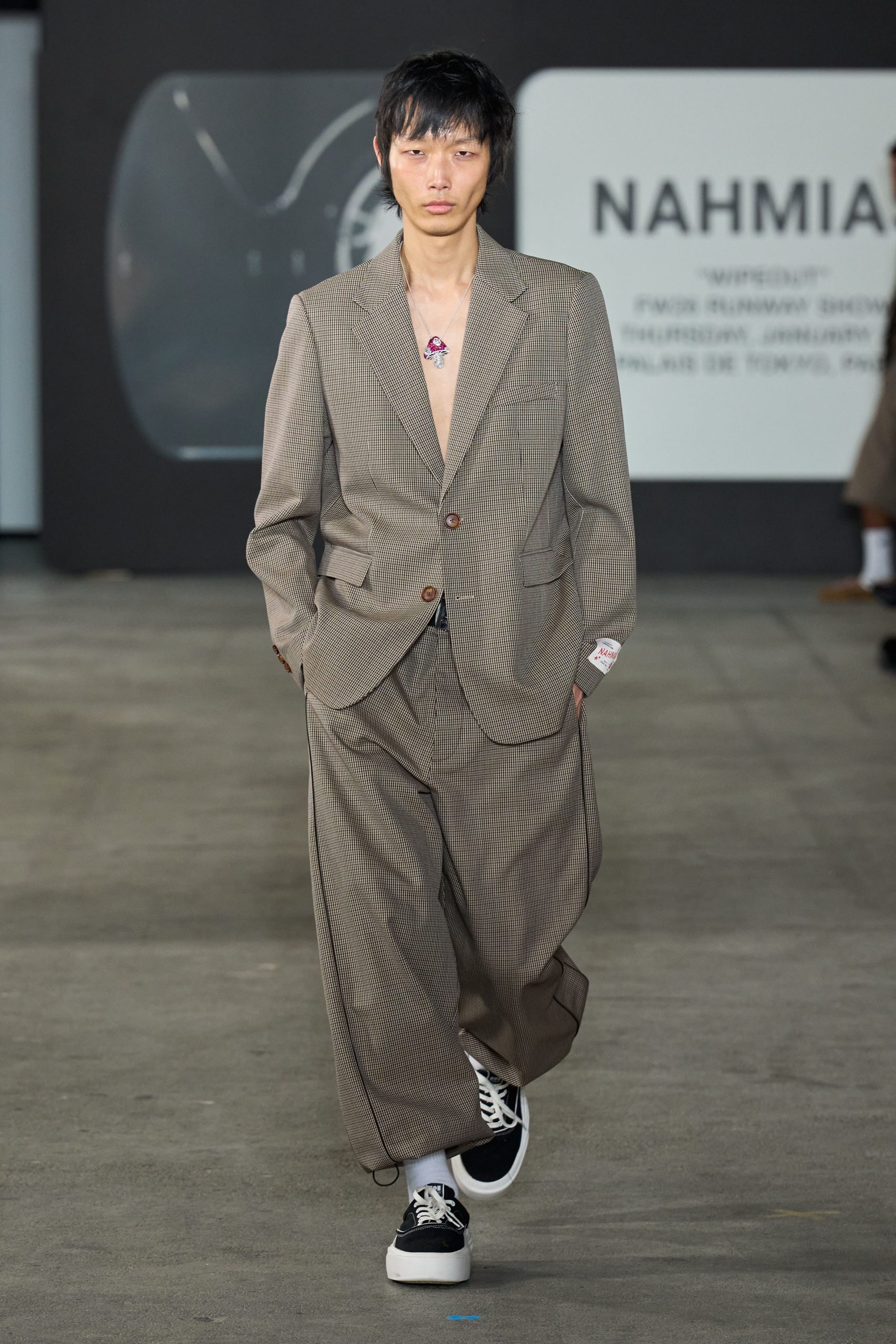
Founded by Doni Nahmias in 2018, Nahmias has become a designer menswear label shaped by the surf, skate, and sports culture of Summerland, California, where Nahmias grew up. The brand’s return to Paris Fashion Week this January, after a three-year hiatus, marked a new stage of maturity. The brand’s F/W 2026 collection, WIPEOUT, explored the tension between thrill and failure through references to surfing, skateboarding, and nostalgic cartoon imagery. Infusing playful storytelling into the typically serious Paris Fashion Week, Nahmias contrasted West Coast youth culture with European formality. From collaborations with Puma to product development decisions guided by whether the team would actually wear the garments, Nahmias remains grounded in lived experience rather than trend-driven design. In conversation with contributor Bronson Vajda, Nahmias reflects on maintaining the brand’s integrity as it expands into global markets. For the designer, risk-taking, both creatively and strategically, remains central to pushing the brand forward, while advocating patience and originality for emerging designers navigating today’s saturated fashion landscape.
Nahmias has gained significant momentum recently. Did the surge influence your decision to return to Paris Fashion Week after a three-year hiatus? Why was now the right moment for a runway show?
I think realizing the maturity level the brand has reached and the development we were working on just felt like the right opportunity to bring it back to a runway show in Paris.
What was the core idea or narrative behind your F/W 26 Wipeout collection, and how did Paris as a city influence that vision?
It was really ironic in a juxtaposition, I would say, because I feel like Paris Fashion Week and fashion are so serious. The collection we created was much more playful and less serious. With Wipeout, it was really about taking these emotions, everything tied to that, along with the cartoon episodes we were creating, the characters, and this playful, nostalgic imagery, and bringing it to Paris. They clashed, but they made something more beautiful and different from what other brands were doing.
What does Paris give Nahmias that Los Angeles or New York couldn’t at this stage of the brand?
Paris is the best for achieving global reach, audience, and press coverage beyond L.A. We did everything to show in Paris and distinguish our presentation from what we could do in L.A. or even New York, which feels more contemporary. While it’s more expensive with greater pressure and judgment, we wanted to show we’re evolving while still having fun.
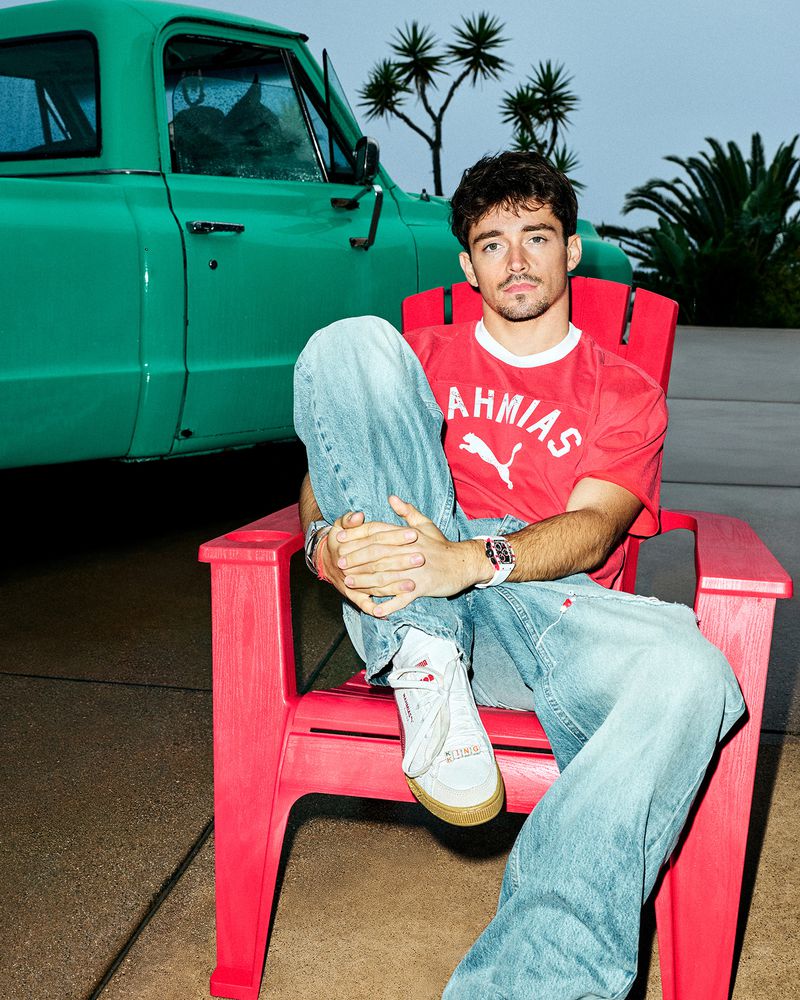
You frame Wipeout as living somewhere between thrill and failure. How much of this collection is about embracing risk, especially at a moment when your brand is arguably more visible than ever? Was there a message you hoped to convey to your audience with this show?
I think it’s all about taking that risk and pushing that boundary, because it can make the audience feel excited and vulnerable. Reflecting on catching a big wave, I want my audience to experience the thrill and fear that come with taking risks, inspiring them to face their own challenges. The risk must be taken to continue succeeding or, for my sake, to bring a brand to the next level. It won’t happen without risk and without pushing boundaries. Otherwise, how far can it really go?
Nahmias began as a deeply personal California story, one rooted in Summerland, where you grew up. How do you protect that authenticity as you enter collaborations with global partnerships?
It’s crucial to stay true to the brand’s roots to foster trust and connection. When partnering with larger brands, I want the audience to feel confident that Nahmias’ authenticity is preserved and valued, reinforcing the brand’s integrity. We’ve been super selective. It’s been awesome to work with Puma, and they’re really letting us lead and take the reins on the vision, and they’re just there to support it and align with us. It’s important that, as we continue to collaborate with larger partners, we keep that authentic DNA. I’m super selective. If it’s something that I wouldn’t wear, appreciate, or feel proud of, then it’s just not for me, you know, and I’m trying to be very selective with that.
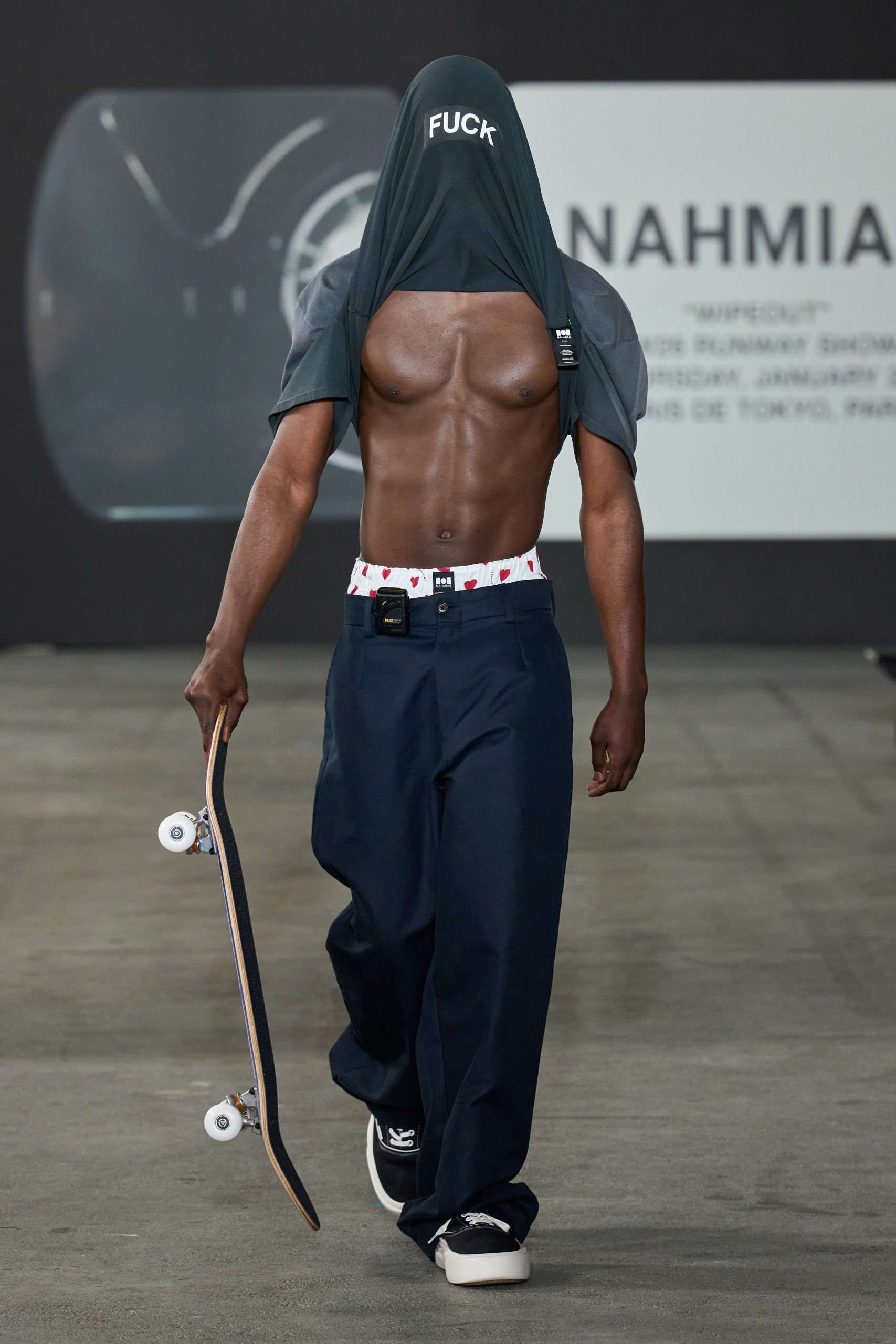
When it comes to collaborations today, what matters most to you: visibility, revenue, or long-term brand equity? Is collaboration becoming a necessity for independent brands to survive?
Long-term brand equity, I don’t think it’s mandatory. I think it can be really beneficial because the market is saturated with so many drops and collaborations. If you’re doing them, they need to be really well done with pure intention. It’s got to really move the needle, or it can just get drowned out. If there’s a real strategy and plan behind it, with an original angle and something that feels authentic, and can create emotion beyond all these other collaborations happening, it could be important and create new platforms for both partners.
How do you hold onto artistic integrity while still building something commercially sustainable? Where do you draw the line, if you draw one at all?
A funny question my team and I ask in the studio when developing a product is, “Would you wear that?” If we say no, it doesn’t pass. The product has to meet the “would you wear it” test—otherwise, we risk losing integrity. Of course, we do push boundaries. When putting on a show and creating storytelling moments, designs can be a little more out there, but for commercial products that we actually bring to market, they must pass the test.
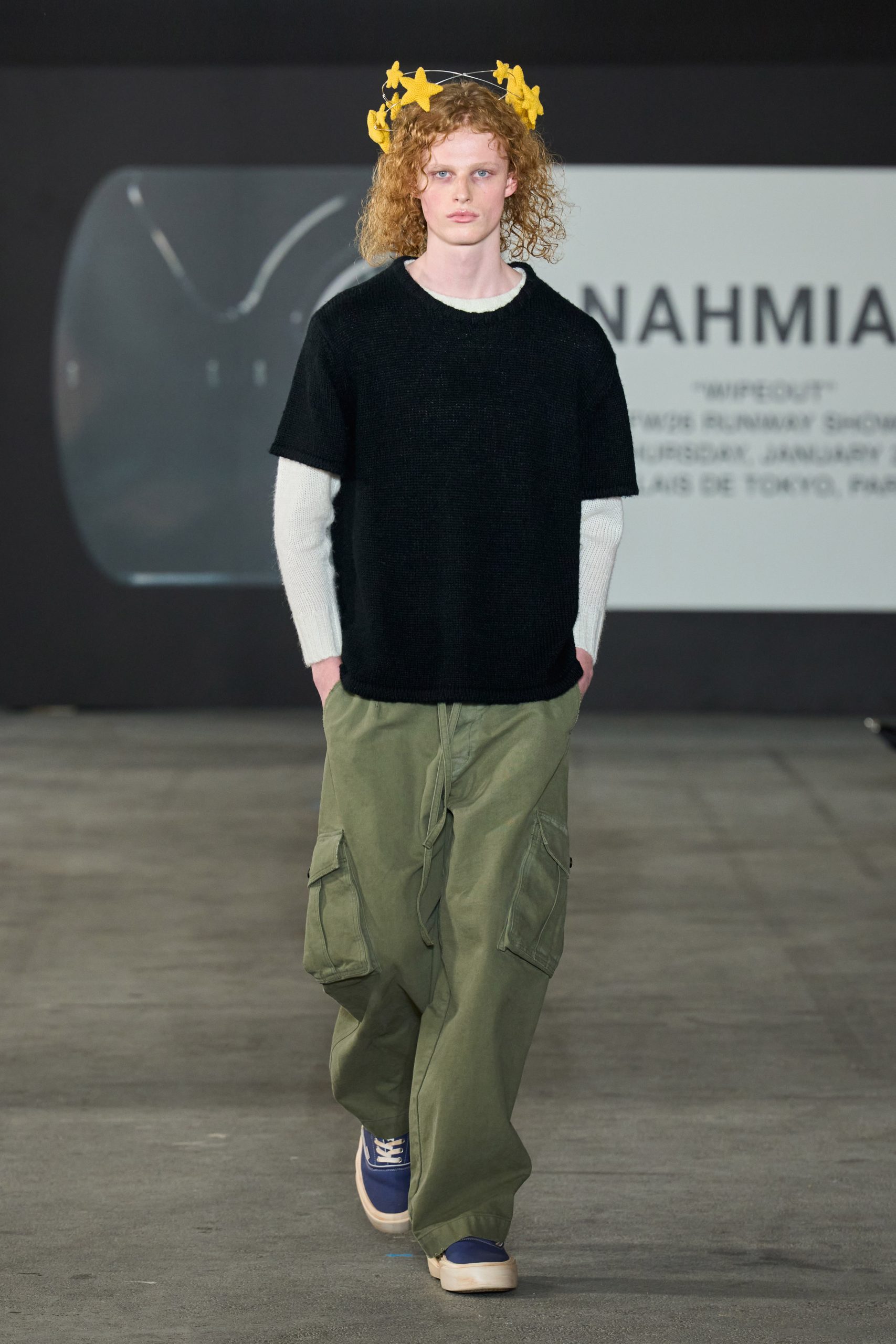
Surfing, skateboarding, basketball, cartoons, and the California dream- all references that are now part of the Nahmias vocabulary. How important is it that those references come from lived experience rather than research or mood boarding alone?
It’s all lived experiences. It’s just in my DNA. The cartoons have been a fun one to create, because for every 90s baby, you look back, and you think about all these cartoons, the Johnny Bravos, the Ed, Edd n Eddys. So just being able to create things that were important to my childhood and then reimagining them in this Nahmias story format is the fun part and what brings joy. When I started a brand, it sounded all fun and games, but it’s actually really difficult, serious, and stressful.
Finding the outlets and tools that actually make the creativity part exciting. How do I reimagine a cartoon? I grew up playing basketball, and that’s my modern-day therapy, too. So how can I incorporate basketball and surfing, all these things that actually genuinely bring me joy, and make sure it’s really aligned with the brand and the things we create? I think the audience can feel that, and I think that’s why we’re starting to really get more of a following and love for the brand, as the authenticity is really starting to translate. People can attach to those emotions that we’re storytelling about.
You often work with friends and longtime supporters in a very organic way. What does collaborating within your inner circle give you creatively that a traditional fashion campaign simply cannot? How does friendship shape the final result?
There’s the shared interest, and having friends who are obviously friends because they have the same lifestyle and upbringing. Being able to reflect with them and get their advice can go a long way. Having opinions from friends you can trust that aren’t just going to be a yes-man, or “oh, this is sick,” or “this is cool.” Really, having other people to lean on or get opinions from is nice.
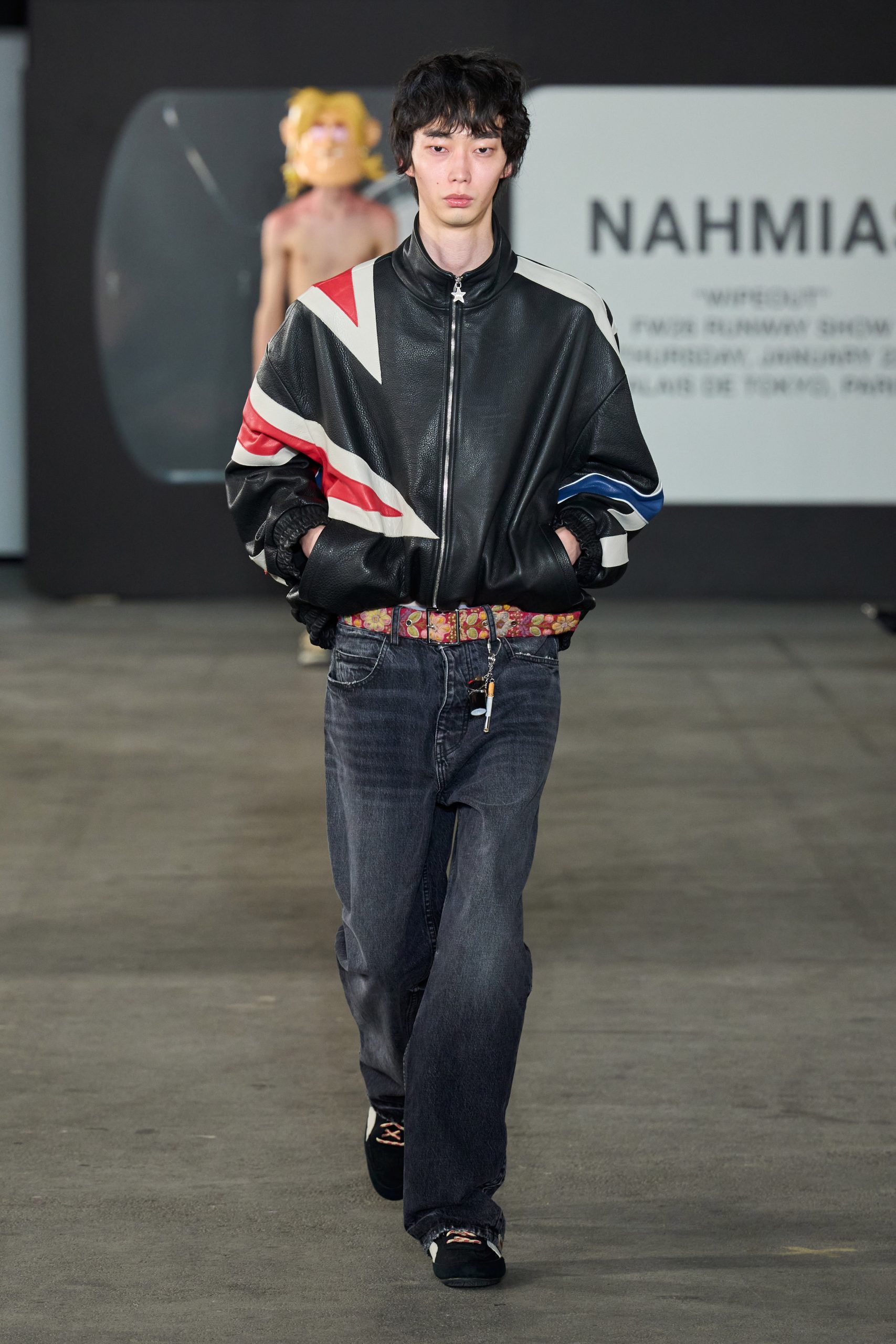
Do you approach casting and styling as two separate decisions, or as one continuous process within your design?
I find it to be a continuous process. I think they’re completely separate, but also the same. Casting is really fun because sometimes, the moment you see a model, it just clicks. You already have certain looks in mind for the show, and when the right person walks in, you instantly know they’re perfect for a specific character or look, and that’s how the two naturally go hand in hand. Sometimes you have to pivot and try new things, and other times it’s completely separate. Our approach, which I love, has made it super easy. The casting director I work with has our motto when we have all these boys coming in: “Are they kicking it at the skate park?” When you go to the skate park, there’s a cultural cluster of everybody. That was us this past season when we were doing the casting.
What does the relationship with the overall show production (casting, styling, music, set design, etc.) allow you to express that clothing alone cannot? Has your approach to this relationship evolved since your last Paris runway show?
When you have that full production, and you’re doing a show, it’s the greatest opportunity for a designer to give a full story. You can put your entire collection into looks as you see them and literally create full stories, whereas I think with campaigns and lookbooks, you’re getting bits and pieces of a story or an idea of one. With a show, you get to create the emotion with the models, the walks, the environment, the feel, the energy, the sound, the music, you get all these elements intertwined that it’s my favorite part, really, of creating collections is getting to bring it to a show format because you’re getting to tell the full story versus probably a partial bit of it.
Looking back at the show, what decision are you most proud of, and why?
I guess I’m a sensitive guy, but it’s always at the end of the show, when you have all this weight off your shoulders. You’re in Paris for a week doing castings, style-outs, fittings, and prep. You go almost a week without sleep and under a huge amount of stress. Then, when that last model comes back in, and I do a little run out and come back, that moment when it’s all said and done, I get this crazy high, I tend to break down and cry every time just because I think it’s so much built-up emotion. In that moment, you just let it go, and all that stress just washes away.
Is there an idea or dream you haven’t tackled yet that you’re now ready to explore?
I’ve been able to reflect a bit on that because I’ve been asked, and it’s real. I feel like I’m currently living the dream because this has always been the dream, and I’m just fully in it. The last seven, eight years since I’ve been working on the brand have been tunnel-vision, and I’d been like, “what’s next, what’s next.” I haven’t really processed the process. I’m trying to do a better job of understanding that this whole thing is the process, and I’m in it, and I’m literally here, “this is the dream.” I wake up every day, and I’m coming to my studio, and I’m getting to create. There’s a lot of stuff in between that might not be fun, but in the end, it’s what I signed up for. I’m just enjoying the present moment now.
What advice would you give to emerging designers chasing similar paths, without losing their voice in the process?
Be extremely patient. Don’t rush. Take your time. That’s all three things. All have the same meaning. Just really be patient. Understanding that things won’t happen overnight. Make sure you have your own story to tell or your own creative, authentic angle, because the market is saturated. Just don’t rush and really take your time with it. You have to be in love with it genuinely, or you’ve got to do something else.