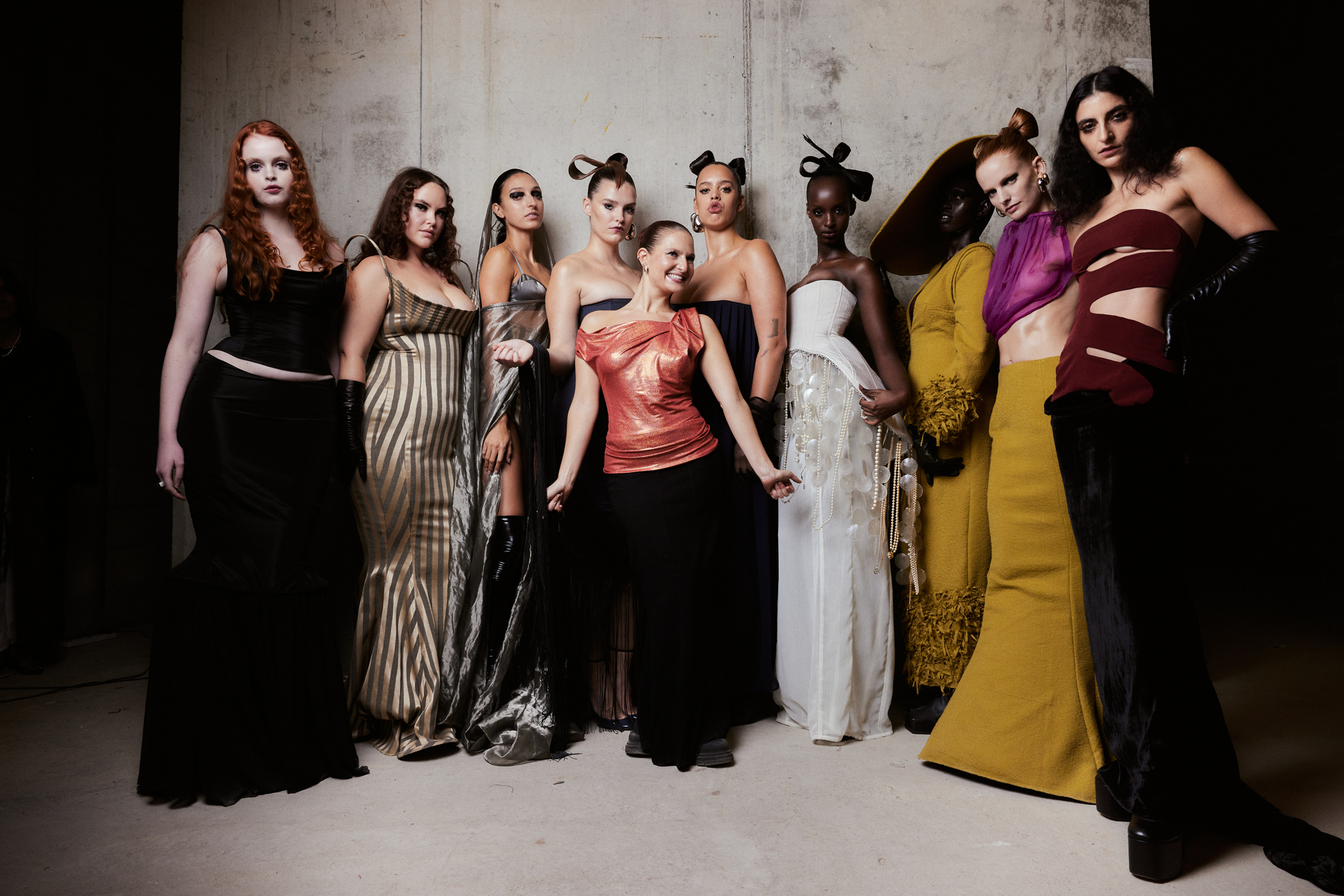
British designer Ellie Misner entered the fashion industry at an uncertain moment. After five years of studying Fashion Design at Brighton University, she graduated at the height of the pandemic, at a time of collective doubt and job scarcity. After a brief stint of existentialism, Misner then turned inwards. Drawing from what was immediately around her, Misner began pulling fabrics from friends and family, upcycling corsets into sculptural pieces, a silhouette that would soon become synonymous with her name. Her first collection, released in 2022, quickly caught the attention of British Vogue, marking a pivotal turning point. Since then, Misner has continued to refine a language rooted in innovation and wit, blending historical references with modern, avant-garde sensibility.
Renowned for her exceptional approach to fit and form, Misner creates custom pieces for every body. “I just want to make people feel seen and feel beautiful,” she says. “That’s the motive”. Showing off season, prioritising integrity and mental resilience over industry pressure. Over the past three years, Misner has presented two demi-couture collections and dressed a growing roster of collaborators and creatives, including Tems, SZA and Myha’la Herrold. On a December afternoon, she sat down with Models.com contributor Georgia Moot to discuss her evolving career, the tenacity required of a young designer today, and how body diversity remains intrinsic to both her practice and her vision.
I wanted to start by taking it back to the beginning — how did you get started in the fashion industry?
I graduated into COVID. I finished in 2019, then the world shut down. I started making corsets from my bedroom, using my eBay pile and collecting curtains from my grandparents and my parents’ house. I started upcycling it all into corsets, and the designs picked up. Then, in September 2022, I did my first demi-couture collection, which was picked up by British Vogue as an emerging designer to watch. Then I was like, “Okay, maybe we have something.” So it’s been about three years now. Nothing was planned, everything kind of just happened, and here we are.
You mentioned demi-couture. I was wondering if you could define what that means and what niche you live in?
I think it can mean multiple things to different people, but essentially, to me, it’s the point in between haute couture and ready-to-wear. You’re making couture pieces, using a lot of the techniques, but it’s not so serious. It fits into that custom, bespoke area, but it’s a bit more modern and accessible. I still want the fantasy, I still want the camp and the glamour, but I don’t want it to be for, like, three people. I guess that’s what demi-couture means to me.
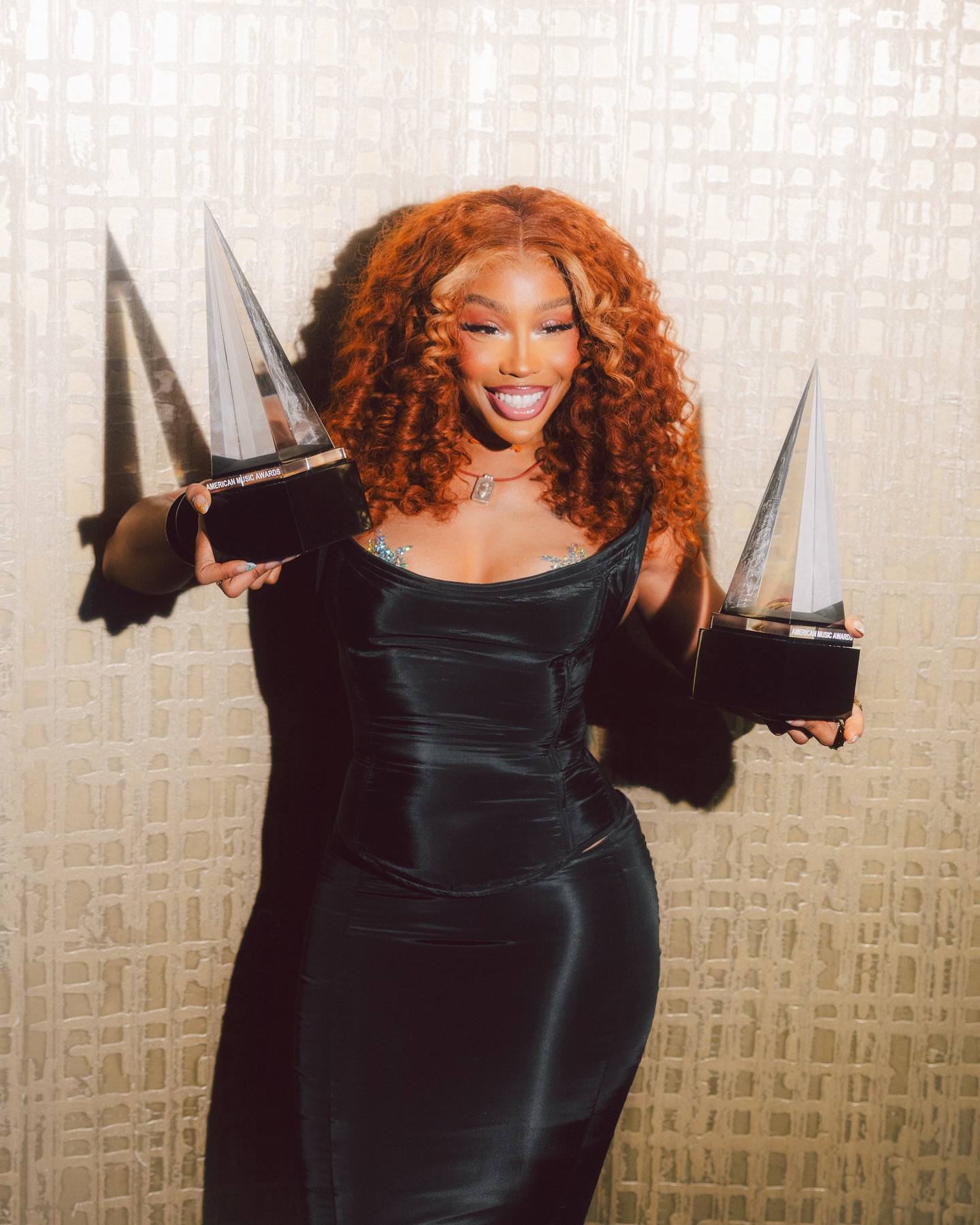
Something I’ve always admired about your work is how central body diversity and the female figure are to your creative vision. Where does that come from, and has it always been inherent to your ethos?
I think it’s always been how I’ve worked and been important to me. From the very beginning, I made pieces in all sizes, and did bespoke work. Then, in my first collection, I used two models: one was a sample size, and one was a size eighteen. So from the very first collection, I decided this was something I wanted to focus on. When you’re making made-to-measure pieces, and you’re a couture designer, why wouldn’t you be inclusive? That’s literally the point of making something made-to-measure – I can make things for multiple sizes.
All the women in my life are different sizes. My best friend is a curve model, all the women in my family have massive boobs, and I’m five two and curvy, so why would I make pieces I can’t wear? I think there are elements of it that are self-indulgent – it’s for me and my girls – but there’s also the fact that I think it’s really important. I believe making someone feel beautiful shouldn’t have anything to do with being a certain size. It’s been three years now, and the pattern-cutting skill I have now is worlds apart from when I started. I think that it only makes me better by working with different bodies. To be completely transparent, it’s harder. But I think I’m constantly improving by choosing to be inclusive.
“All the women in my life are different sizes…so why would I make pieces I can’t wear?”
What does corsetry represent to you, and why does it feature so prominently in your work?
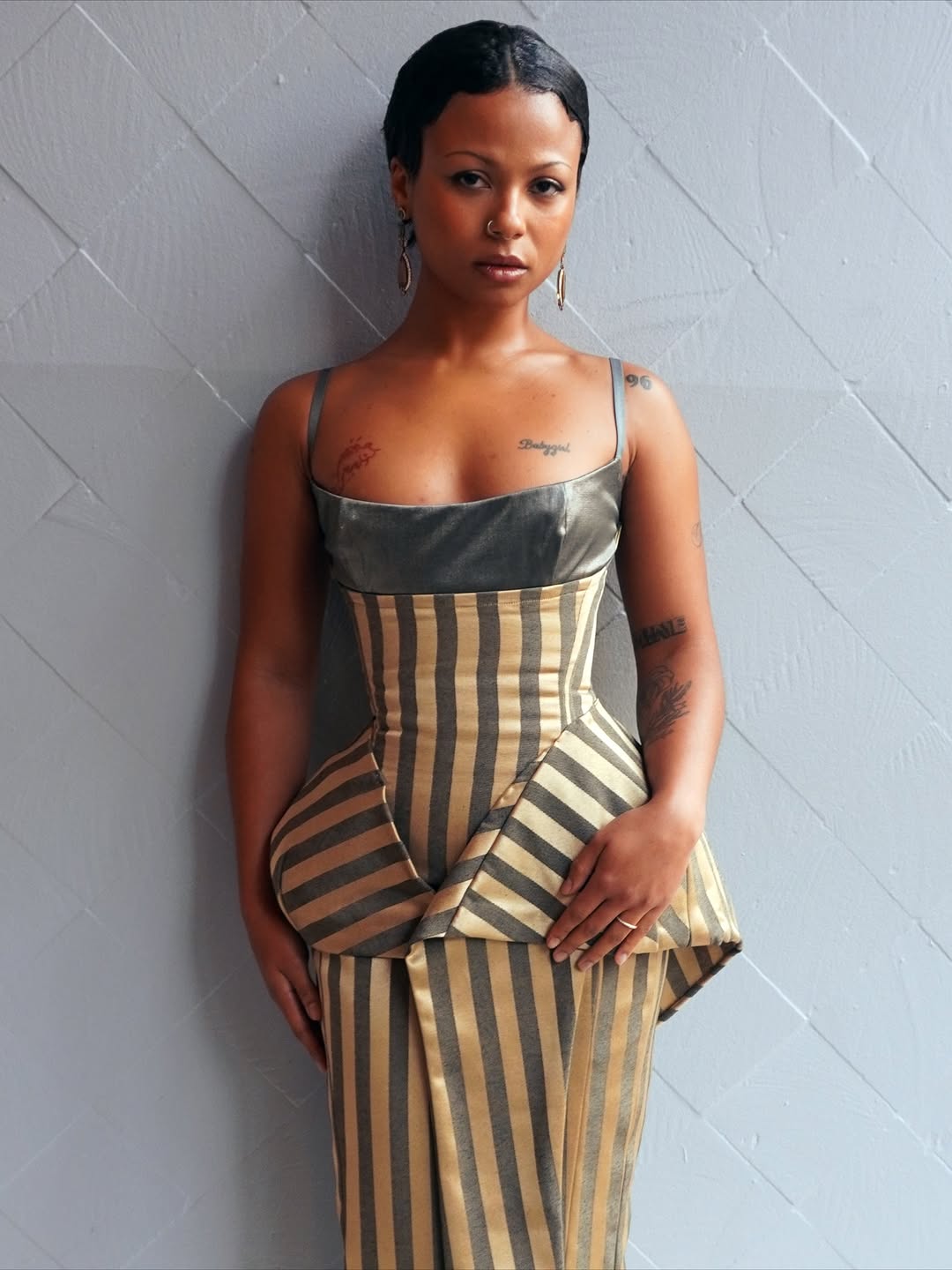
I’ve always loved altering the body and playing with proportions and shapes. Corsetry allows you to play, because it’s such a solid base. You can add so much to it and alter what’s already there. Combined with working with different bodies, it becomes a device where you’re essentially creating underwear for different support systems. It creates a backing, where everyone is supported by this base, and then you can do what you want with the base. That’s why I love it, because it gives you free rein. It’s like creating a blank canvas. I think it’s really fun to change someone’s whole shape, it’s like playing dress up. It’s stepping into a world of fun and camp, but it’s not silly and it’s not a costume.
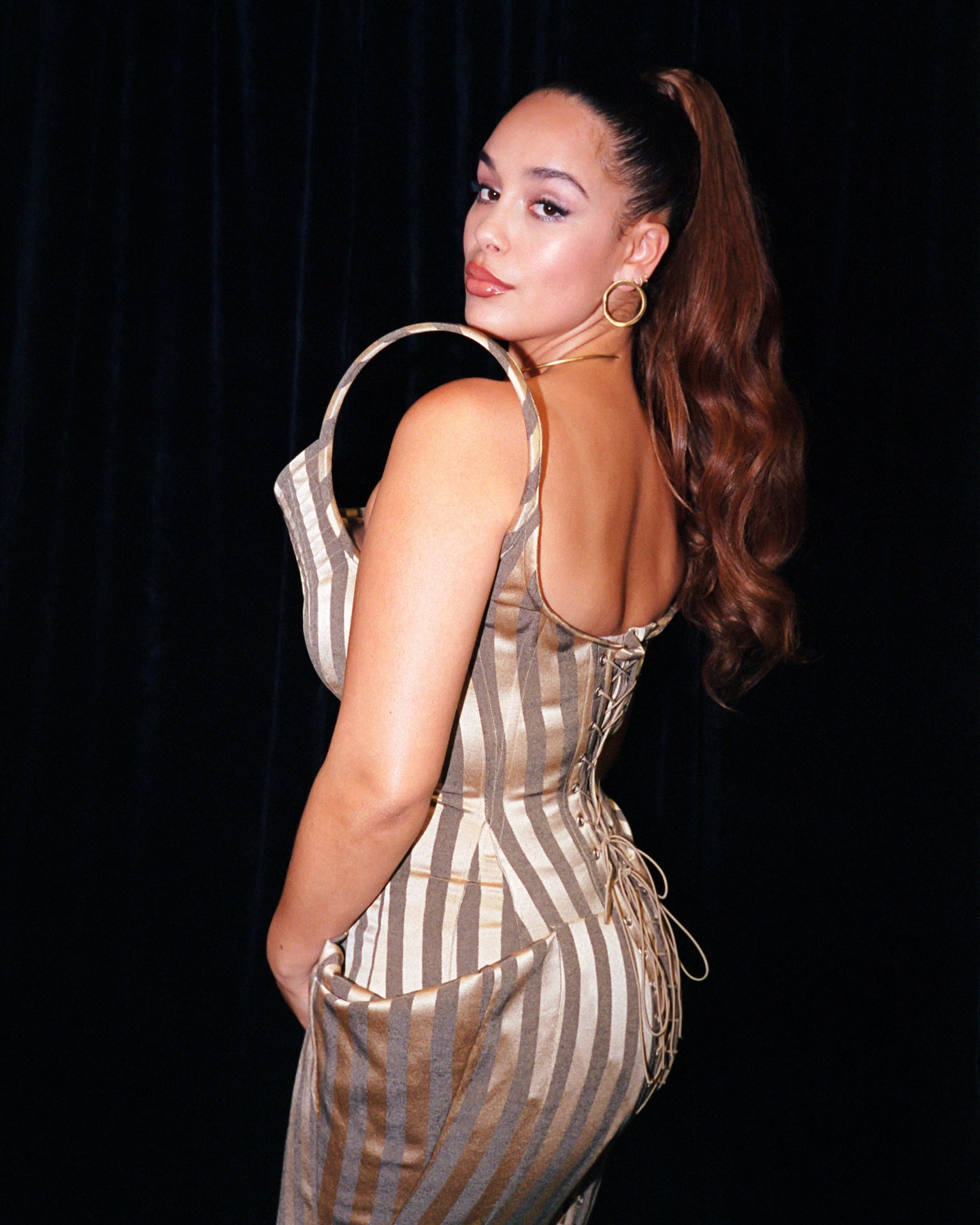
I wanted to move into talking about your custom pieces. What do you enjoy most about custom work, and do you see it as a dying art?
I genuinely think the opposite. So many brands are moving into this made-to-measure custom model, because at the end of the day, the world’s dying, we’re in a recession – the fifteenth one of our generation – so if you’re going to spend money on a beautiful piece, you want it to really fit. You don’t want to be like, “Oh, cool, this dress is two thousand pounds, I hope it fits my bum and waist at the same time.” Obviously, it’s such a niche, right? And the price point isn’t accessible to the majority, so I think if you’re doing it, it makes sense to do it properly.
I don’t think bespoke will ever die out. Even if it’s one dress in your entire life, like bridal, people want to feel their very best. They want to know they’re spending money on something that’s going to be made properly and for them. That’s why I enjoy it so much. There’s nothing more enjoyable for me than seeing someone try something on and the first, second, and final stages, and at every point being like, “Oh my God, I’ve never felt like this in a piece before.” You can’t compare that feeling. Hearing someone say, “I’ve never put a dress on before and felt good about myself,” makes me emotional. It makes me fall in love with it again, because I think we’re taught as women to hate ourselves so much. If you can do something that makes someone love themselves, that’s an amazing thing. I don’t make clothes for you to fit into; I make clothes for you and that’s why bespoke and custom are so important to me.
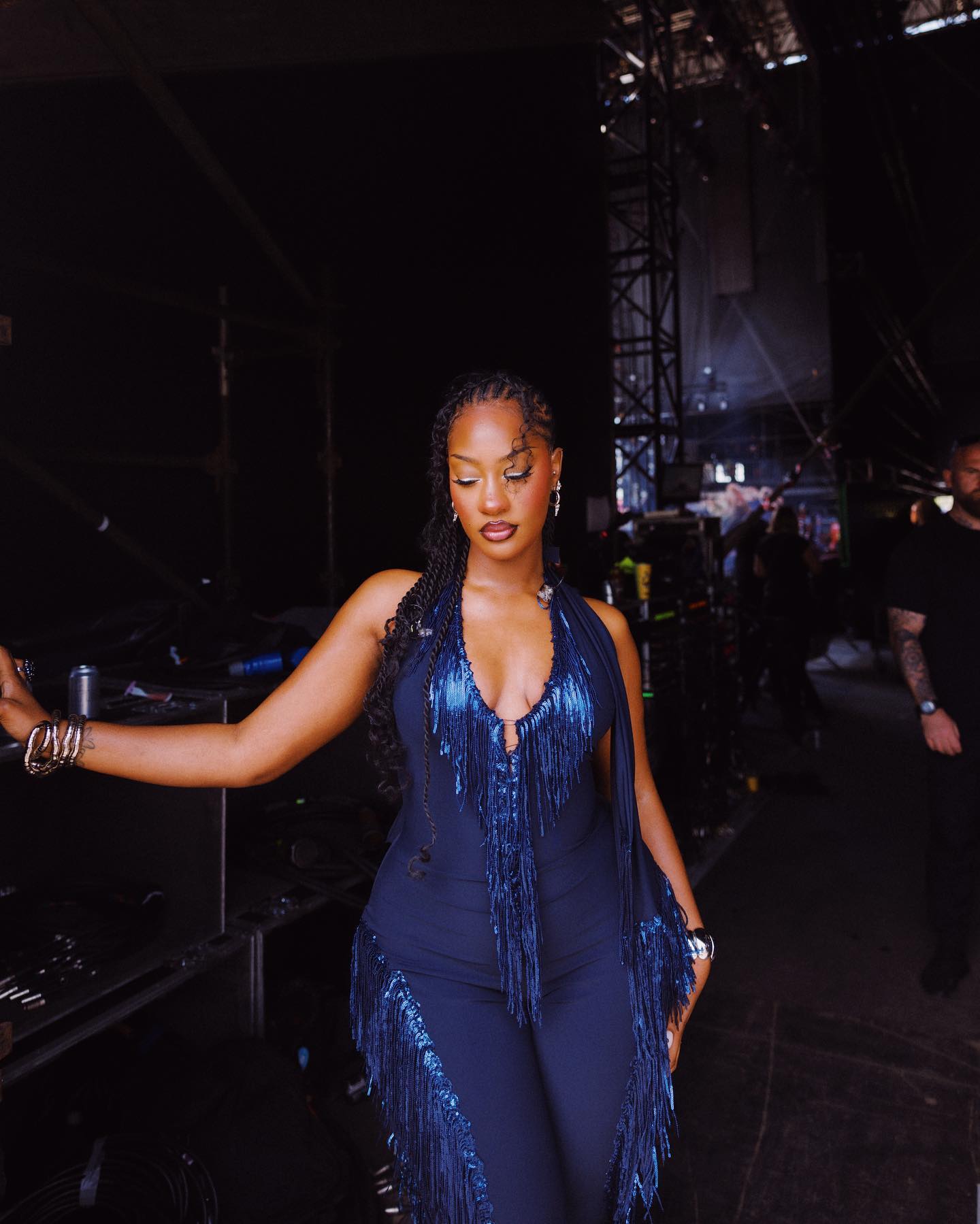
I wanted to talk about collaboration when you’re making custom pieces. How collaborative is that process?
It completely depends on who it’s for and the timescale. For music tours or celebrity work, the turnaround is usually tight and it’s collaborative in the sense that I usually work directly with the stylist. On rare occasions, I work directly with the person themselves. When I did a look for Jorja Smith, it was just me and her. She picked elements that she liked, we made adaptations, she came in to try them on, and then we worked around what she did and didn’t like. That was super quick, a couple of weeks, and very collaborative. When it’s more of a true collaboration, you’ll go through sketching, then approval, then fabric options, sometimes they’ll even send a Pantone board and I’ll source from that. I’ll usually be quite pushy with what I like, because I don’t want to make things I don’t. So it’s a sliding scale, an ebb and flow.
Did you have any mentors or advice that stuck with you?
I never had true mentorship, which I struggled with. I always wanted it, but I didn’t know where to ask or I wasn’t in the right scenario. People have definitely helped me along the way, though. The main thing I’ve been told is that I’m a baby in this industry. When you see what other people are doing, it’s easy to compare yourself and think, “I’ve been doing this for three years, I’m 30 now – how long do I keep going?” Someone literally said to me, “You’re a baby. Relax. You’re doing fine.” That stuck with me. I think it’s easy to get caught up in the comparison game. I’m super guilty of it, but I think that’s probably the best advice that I received, because it puts me in my place.
I worked with Zezi [Ifore] for the British Fashion Awards, and she’s definitely been a mentor to me over the past couple of years. She’s amazing at making it clear that she believes in you and your craft. That energy has been really helpful. I have this ironic balance of extreme confidence and low self-esteem. It’s taken me a few years to find my community, people who genuinely support me and are kind. Fashion is toxic enough. Let’s be nice.
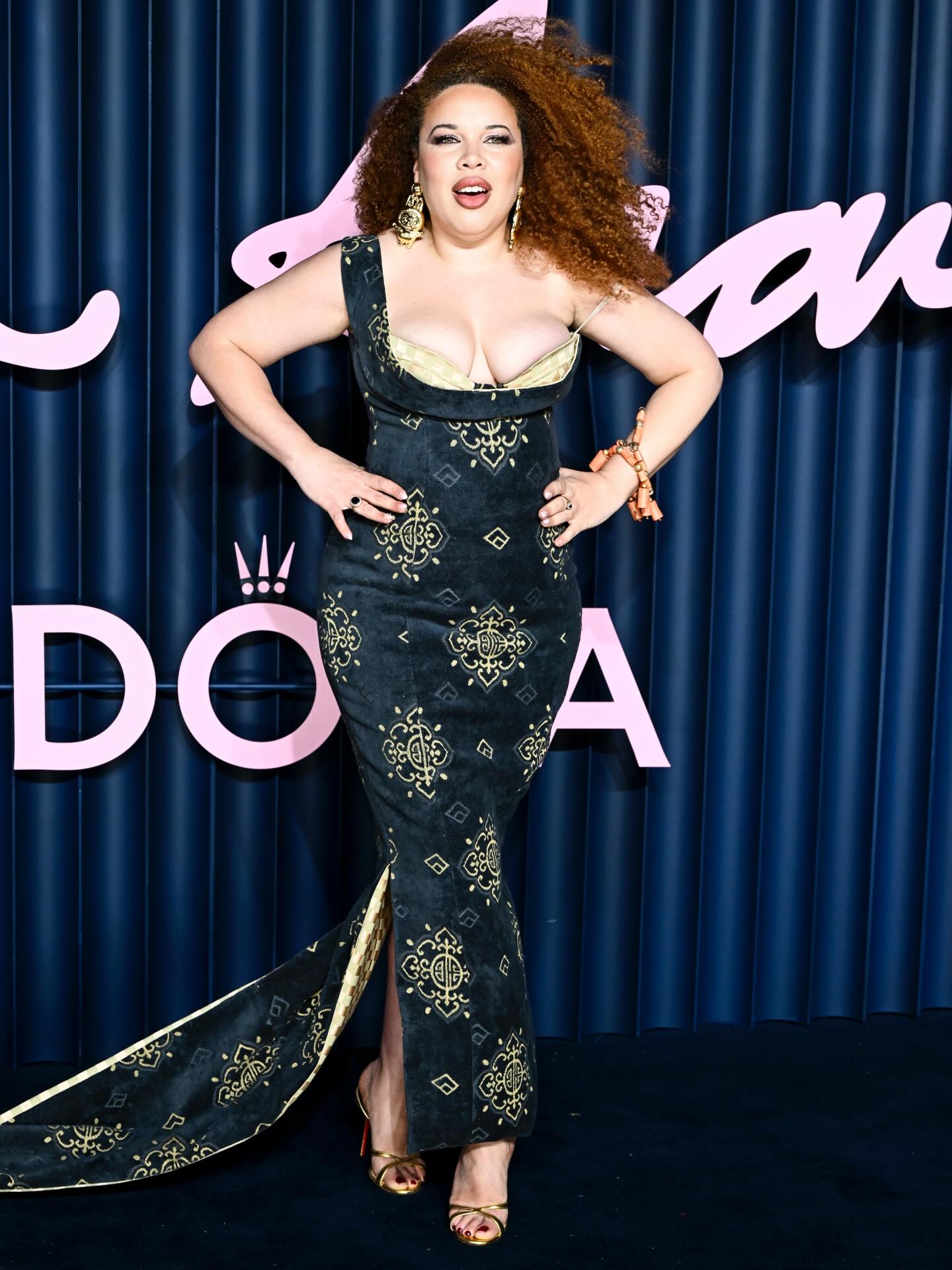
Zezi Ifore | Image courtesy of Ellie Misner Studios
What have you learned through showing collections or participating in bigger events like the Fashion Awards?
Both shows I’ve done have been in-house and off-season, and they taught me I wasn’t ready. It’s not that I don’t want to show; I think everything I make translates better in person. It’s that I didn’t have the backing or money to present what I wanted to present. The shows weren’t bad; they were both fab, and the teams were incredible, but being a one-woman band made it difficult. In comparison, big events like the Fashion Awards are easier for me because it’s one day, it’s not about me, I just make the clothes and send them out. I don’t work seasonally, as I want what I show to be intentional, so I’ll put out a collection when it’s ready. I don’t want to present work that isn’t exactly who I see myself as, and maybe that’s my stubbornness, or my unwillingness to be part of the rat race. But I don’t want it.
How have your designs evolved, and where do you see them heading?
The vibe has always stayed the same; it always has a touch of humour, a touch of camp. My skill level is worlds apart from what I made when I first started. I’m embarrassed by what I made when I started, but I’m proud of where I am now, especially with pattern cutting and designing. I’m focusing more on the couture elements, working a lot with embroidery, building a textile, and playing with silhouettes. I want to keep elevating and refining without losing the silliness. That silliness is something I want to push next year. The next collection is about nostalgia around turning 30, what I grew up with, but it’s still a demi-couture collection.
What are your hopes for the future of fashion?
I don’t want to end on a negative note, so I do think it will get better. I just don’t know when. The world feels like it’s going backwards, but the more it retreats, the more people push back. I think there will come a point when people are like, “I hate this. I hate the rise of Ozempic, I hate conservatism, I hate all of this shit.” Whether that’s now or in two years or five years, I do think there will be a point where fashion says, “This has gone too far.” The pendulum has swung pretty far, and I think it’s time for its return. I don’t think about the future much. My brain works on a six-month timeline. I’ll keep doing what I’m doing and see where we’re at. Come back to me in June 2026 and then we’ll be prepping another collection. Let’s say it’ll all be great. It’s all going to be fab and all the emerging designers are going to rise up and find lots of support.