From the late 2000s, Hermès menswear entered a period of recalibration. Stylist Beat Bolliger helped shape a visual language that favored ease over spectacle with silhouettes that appeared lived-in, colors that felt instinctive rather than contrived, and an attitude that made luxury feel believable. In an industry increasingly driven by speed and stimulus, the collaboration with creative director Véronique Nichanian proposed menswear built on trust, restraint, and an instinctual sense of taste. With their final show now behind them, the close of this chapter marks a quiet conclusion of one of menswear’s most disciplined creative conversations.
What distinguished the sartorial partnership was consistency. Since Bolliger joined in 2009, Hermès’ menswear evolved with intention, choosing nuance over noise while refining its codes rather than reinventing them. Bolliger’s hand was evident in the subtlety of the styling, curating clothing with a deep commitment to color and craftsmanship. His influence became inseparable from how Hermès menswear was perceived: relaxed yet confident, contemporary yet timeless. As the fashion industry confronts accelerated production, AI-driven creativity, and shifting consumer expectations, Bolliger’s Hermès years read less like nostalgia and more like a case study in longevity. His practice, grounded in touch, collaboration, and long-term dialogue, stands in contrast to the constant turnover of creative strategies we see in fashion today. Speaking briefly to contributor Bronson Vajda, Bolliger reflects on his time at Hermes menswear, his work with Nichanian, and the ideology that true style is cultivated slowly, with self-confidence and conviction.
Over the past 18 years, you’ve contributed to the strong visual identities of Hermès’ menswear. How did that relationship begin? Was there a defining moment you can recall?
I remember that we had a meeting in Véronique’s office and started chatting about the Homme Hermès. Shortly after, we began working together on the next runway show.
When collaborating with the art directors, photographers, and creative teams at Hermès, how does that conversation come to fruition?
Over this long journey, we collaborated with a multitude of amazing artists, and one of the most beautiful things about Hermès is the creative freedom.
How do you maintain continuity while bringing something new each season? What’s the balance between editorial expression and commercial success when working with heritage brands?
I believe staying true to your taste and vision is a big part of maintaining continuity in one’s work—not allowing yourself to be influenced by all the imagery we’re constantly exposed to. Listen to your gut. Collective collaboration is key.
When you look back on your Hermès years, what do you feel your strongest contribution was to the house’s visual identity? Are you ready for the next chapter?
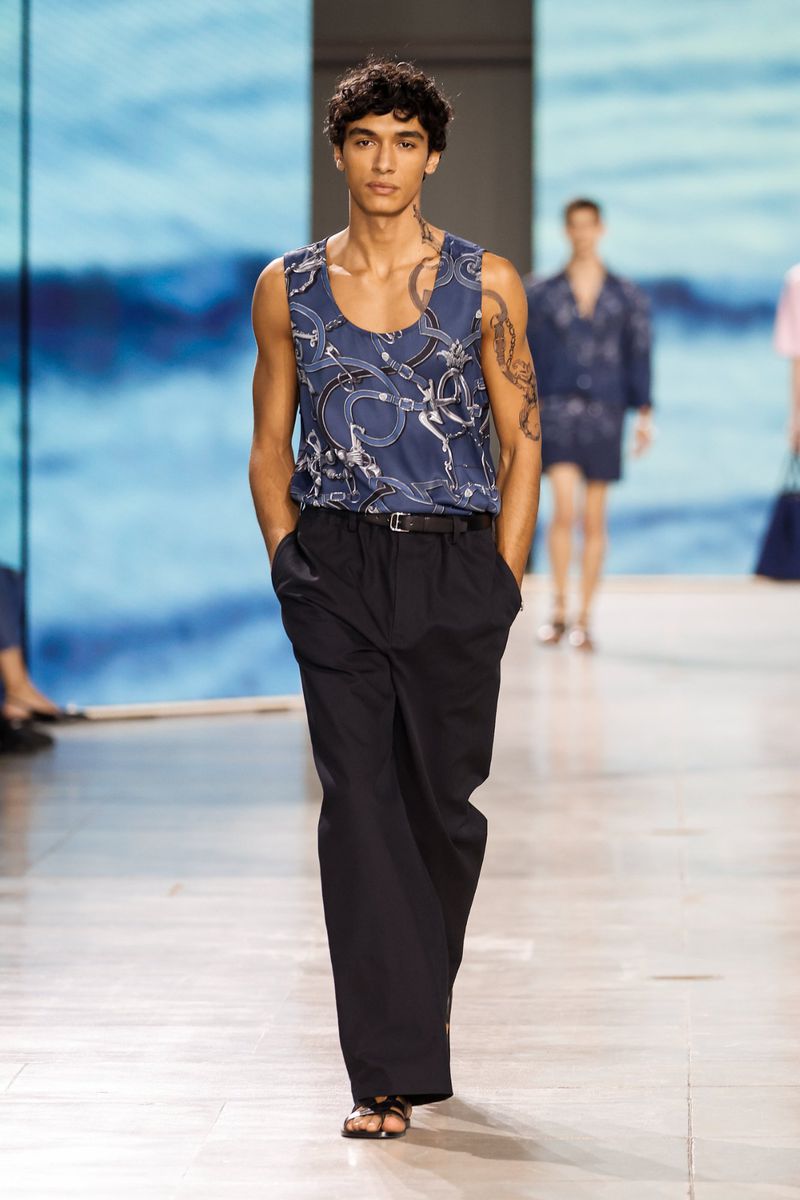
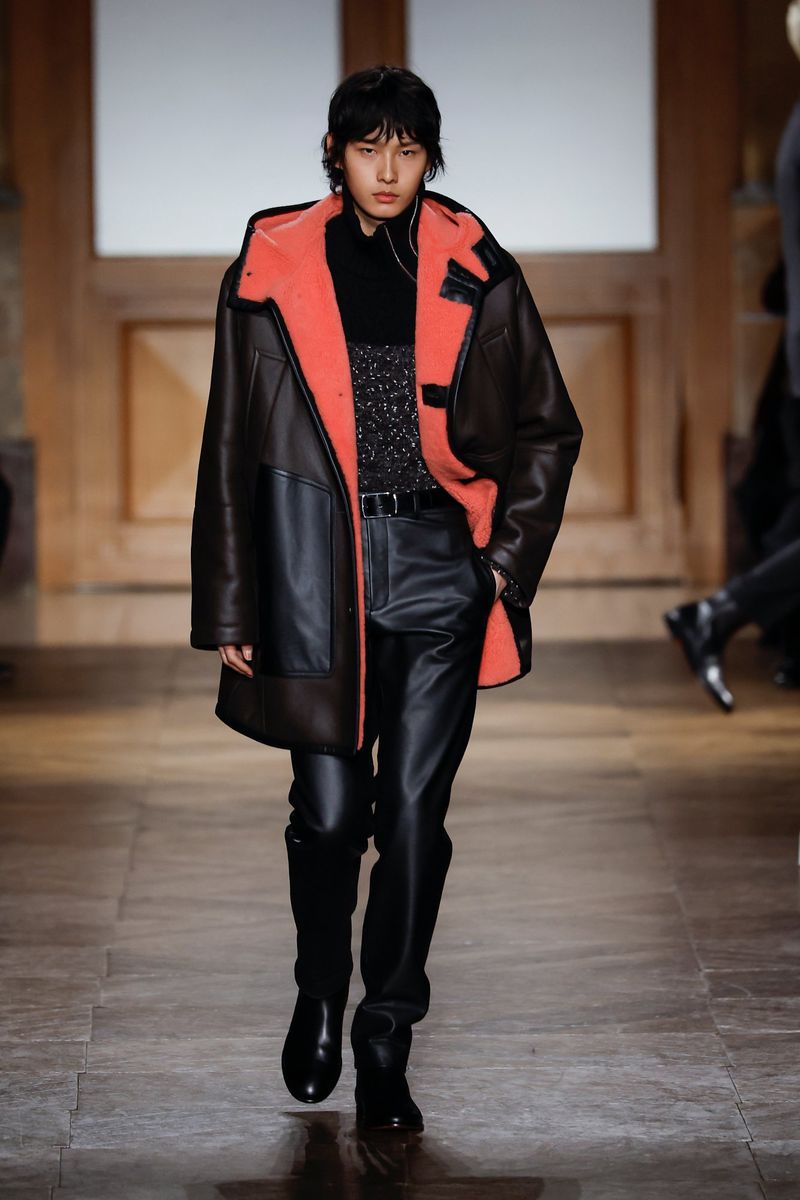
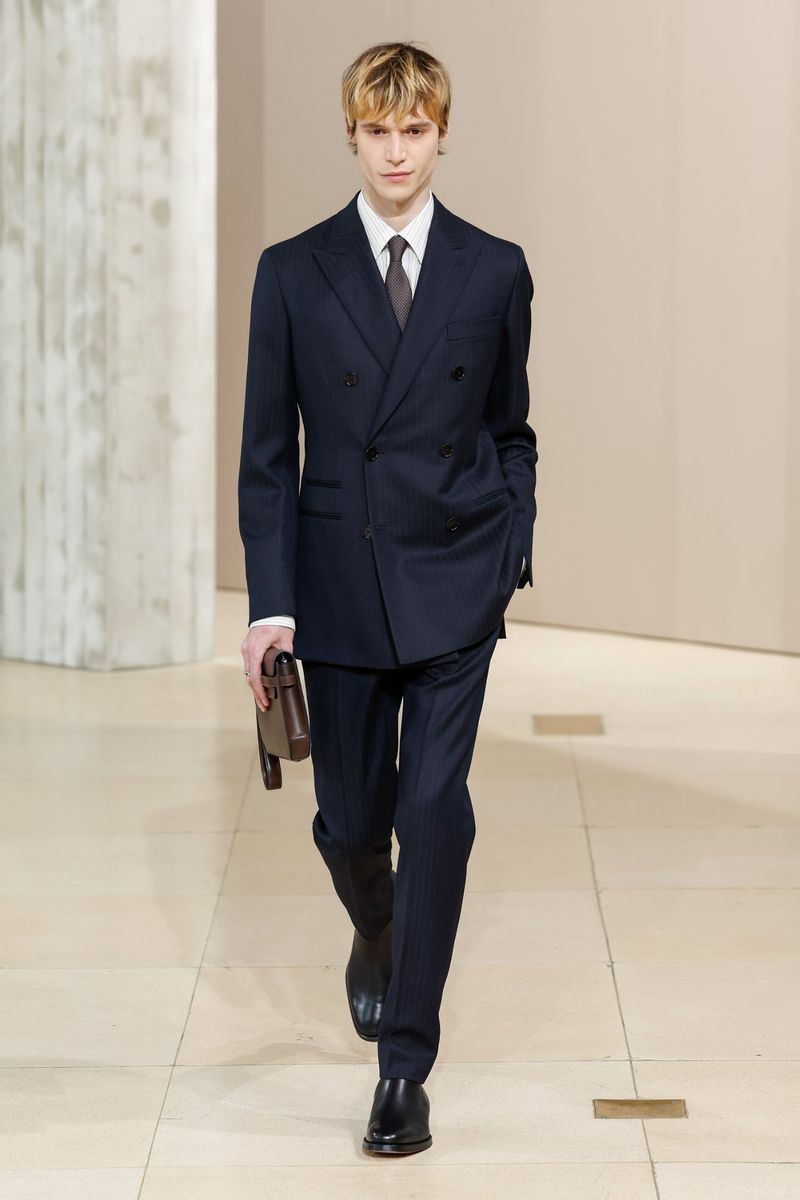
Shaping the Homme Hermès over the past 18 years with Véronique Nichanian was such a special and beautiful experience. I think my strength lies in making clothes look nonchalant—chic yet casual—while keeping men cool and believable. I love playing with color and working on color cards, and when I look back over almost two decades of work, I’m very proud of what we accomplished.
Yes, absolutely—I am always ready.
Is there a particular Hermès project that felt especially meaningful to you?
There were so many exceptional projects that I collaborated on with Hermès. The experience has been truly extraordinary.
What made your collaboration with Hermès work for so long? Was it shared taste, trust, or a mutual understanding of the house codes?
Best asking Véronique herself, haha! But seriously, I think it was all of the above. I know Véronique trusted my taste and the way I would put together looks. We also share a real passion for color, honesty, and discretion.
With Véronique Nichanian’s tenure coming to a close, what does this shift represent in terms of the broader industry landscape of new creative directors, new aesthetics, and new consumer expectations?
I’ve been working in this industry for decades and have collaborated with numerous brands and creatives, so I’m fully aware that working with one brand for 18 years is something truly special. I’m deeply grateful for this collaboration and for Véronique’s trust. My experience working with such a beautiful house as Hermès has been an incredible journey, and I’m delighted and curious to see what the future holds.
What did working with Hermès teach you about taste, longevity, and refinement that you will carry with you?
Hermès is the blueprint for craftsmanship and quality. It taught me the importance of meticulous detail, craftsmanship, innovation, and loyalty to a house’s heritage.
Having shaped one of menswear’s most cohesive aesthetics, how has your viewpoint on the future of menswear shifted?
It hasn’t. The beauty of my job as a stylist is being able to interpret masculinity in many different iterations.
As AI, digital fashion, and new media formats redefine our industry, how do you see the role of the stylist changing, and what opportunities are you excited about?
I come from a school of creativity where touching and feeling are at the center of the work I do. While AI and new media are undoubtedly important, I don’t believe they will ever replace the human touch.
From a business perspective, menswear is one of the fastest evolving categories in luxury. Where do you see the biggest gaps between what men want and what brands are offering?
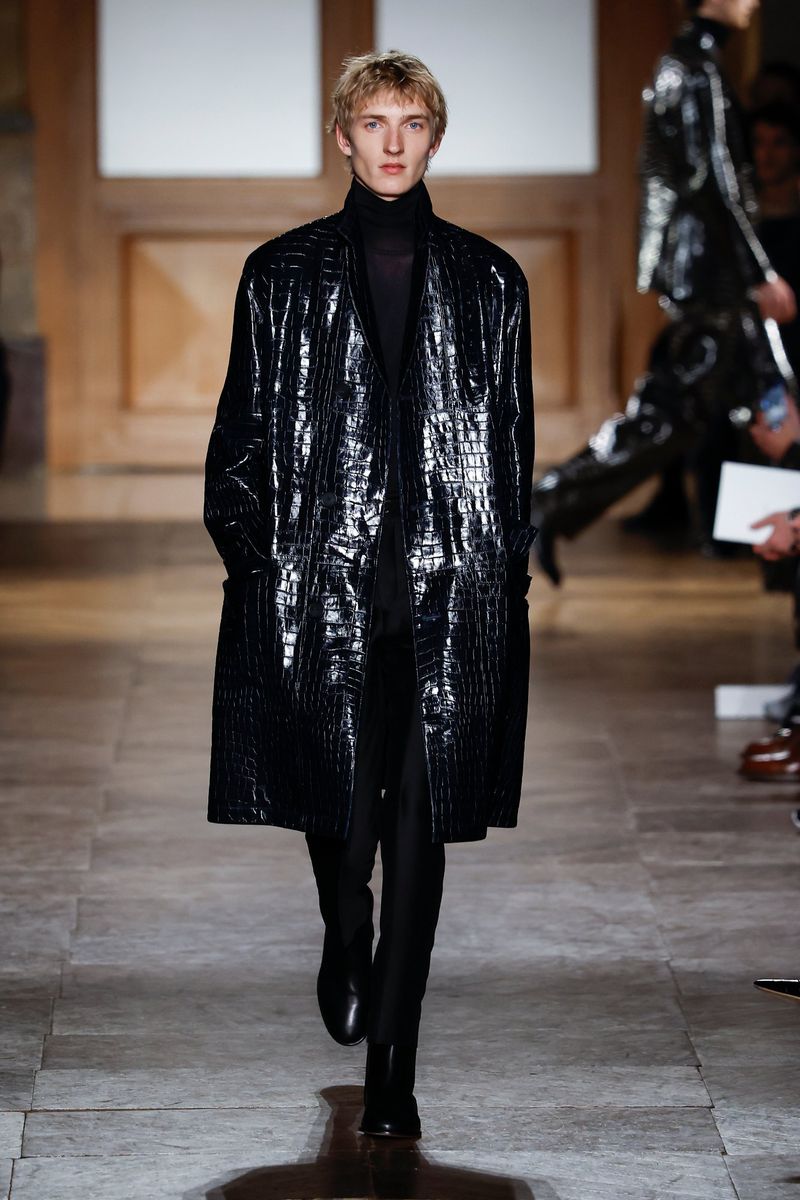
As much as I love a seasonal piece, I truly believe timeless pieces—those you can wear over and over without feeling dated—are essential staples in a man’s wardrobe. I also think consumers today are interested in a real democracy of price points.
What should luxury houses understand or reconsider about the way they communicate with the modern male consumer? What must remain constant and what should evolve?
It’s important not to alienate your existing customer while continuing to introduce ideas that can attract a new one.
What guidance would you offer wardrobe stylists who are trying to discover and develop their own authentic point of view?
Trust your true instincts. Don’t compromise your style or taste because of outside influences.