Behind the Image is an ongoing MODELS.com series taking a more personal look at both established and emerging creative talent.
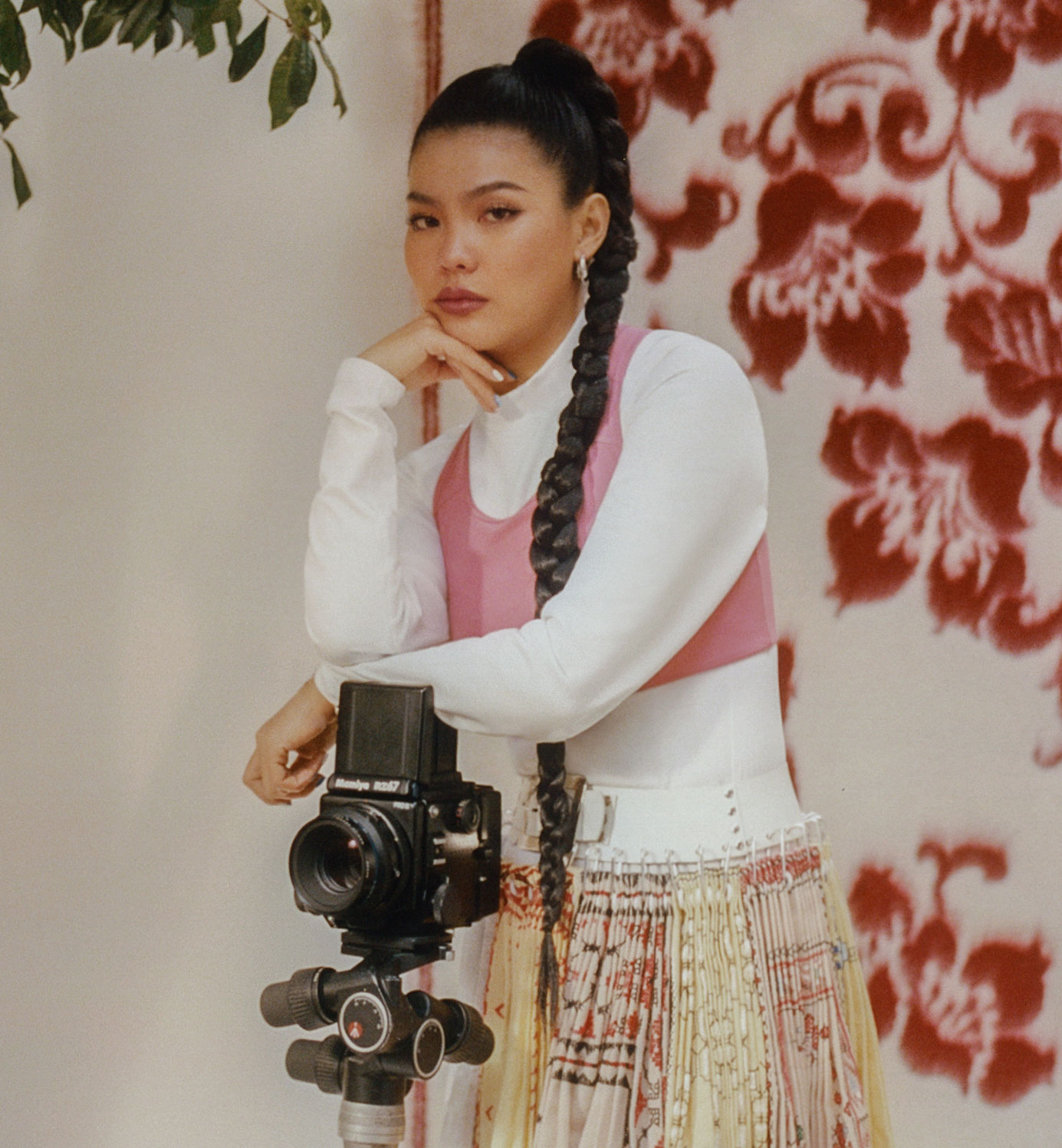
Hailun Ma| Image courtesy of East Photographic
Hailun Ma, Photographer
Hometown: Ürümqi, Xinjiang, China
Based In: Shanghai, China/New York City, New York
Representation: East Photographic
You studied at the School of Visual Arts in New York. How did you first discover photography, and was there a defining moment when you knew it would become your career?
I didn’t discover photography in a dramatic way. It felt more like something that came naturally to me, almost instinctively. Growing up in Ürümqi, I was surrounded by layered cultures, faces, textures, and contradictions. I think I was trying to understand that complexity before I even had the language for it, and photography became the tool. New York definitely sharpened that perspective. At school, I realized image-making wasn’t just about aesthetics or beauty; it was about authorship. There wasn’t one defining moment, but there was a quiet shift when I understood that I could use photography to build my own world.
How would you describe your work, and what’s your trademark?
Intimate, instinctive, and rooted in personal memory. It often moves between documentary and constructed imagery, while always staying close to real emotion. I’m interested in capturing people in a state of becoming, particularly within youth culture and communities that feel underrepresented. There’s a strong sense of atmosphere in my work, but it’s never purely about aesthetics. It’s about identity, where I come from, and how those experiences continue to shape the way I see. If there’s a trademark, I think it’s that sense of closeness, the feeling that I’m not observing from the outside, but existing within the moment itself. There’s often a tension between intimacy and distance, a quiet yet emotionally charged space.
You published your book Uruklyn last year, a title that plays on your roots in Ürümqi, Xinjiang, and Brooklyn. What inspired the project, and how does your background shape the way you build an image?
Uruklyn started as a playful word game, a way of merging the two cities that have shaped me and that I call home: Ürümqi and Brooklyn. But it quickly became something more personal, almost like building my own world. It’s deeply rooted in my background. I’m very proud of where I come from and of the cultural potential of Xinjiang and Central Asia, while also being shaped by a deeply international experience. Over time, those two places began to merge in my memory, not as opposites, but as part of one continuous landscape. For a long time, Central Asia has been visually underrepresented or misunderstood. Through my work, I want people to truly see us, not only aesthetically, but through the lens of cultural depth, complexity, and possibility.
Your work is often vibrant and immersive, inviting viewers into subcultures across contemporary China. What draws you to a subject, and how do you build trust with the people you photograph?
I’m drawn to a kind of beauty that feels raw and unpolished, something immediate and almost unresolved. It often brings me back to my hometown and to youth, to people who are still in the process of becoming and existing just outside fixed definitions. There’s a fluidity there that feels deeply honest to me. I don’t approach people as “subjects,” nor do I arrive with the distance of a photographer. I genuinely love people, and I’m deeply curious about how they move through the world. I need to feel a real connection, something instinctive and almost intuitive. I see the people I photograph as collaborators, sometimes even as reflections of something within myself. There’s usually a shared rhythm, something unspoken yet immediately understood.
Do you ever imagine full stories behind your images, or do you prefer to let the viewer create their own interpretations?
I love building a loose narrative framework for my shoots, a kind of story outline where certain things need to happen, or at least feel possible. But I’m not interested in resolving it into a complete narrative. I prefer to leave space for the world to unfold before me. That unpredictability is part of the magic of photography. The best moments are often the ones I could never have planned. I like it when viewers bring their own experiences into the work, when they project their own stories onto the image. In that way, the photograph keeps evolving. It doesn’t end with me.
You photographed Rihanna for Vogue China in 2024, focusing on her henna tattoo as a point of connection to your hometown. What was that experience like for you, both creatively and personally?
Photographing Rihanna was a special moment, but what made it truly meaningful was her openness to step into my world, something I deeply appreciated. The henna tattoo became a bridge. It immediately brought me back to my hometown, to something I grew up with and saw as part of everyday life, part of the visual language I come from. In that moment, the distance between us seemed to disappear. It felt like a rare and generous exchange. For me, it was a realization that something deeply specific and local to my own background could resonate on a global level and truly be seen. I’m genuinely grateful for that moment, and for the trust and openness she brought to the process.
What non-fashion influences (art, film, literature, music, etc.) shape your creative perspective?
Real life, memory, people, the textures of my hometown, old photographs, passing conversations, music, things that aren’t fully formed.
What do you love most about what you do?
What I love most is that photography constantly expands my world. If I weren’t doing this, I wouldn’t have gone to certain places, I wouldn’t have met certain people, and through those encounters, I’ve been given so many stories — fragments of lives I would never have experienced otherwise. Each person, each place, shifts my perspective a little. It makes my world feel larger. It’s something I don’t take for granted.
What are some of the biggest challenges you’ve faced professionally, and how have they shaped your growth?
One of the biggest challenges has been staying true to my visual language while working within the industry’s structure. There are always expectations from clients and from the market about how things should look or feel. Early on, there were moments when I questioned whether I needed to adapt more. Over time, I realized that what makes my work resonate is exactly what feels personal and specific to me: my background, my perspective, and the way I build images. Instead of trying to fit in, I focused on refining those qualities.
What have you watched, heard, or read lately that has inspired you?
I’ve been traveling a lot lately, so I’ve been revisiting documentaries I downloaded on my iPad. I’ve been really into Tyler, The Creator’s documentary, Very Ralph, and Stutz. They’re not necessarily visual references for me, but more about mindset.
Who do you think is one to watch?
Right now, I’m more interested in communities than individuals. There’s a new generation of Central Asian creatives building their own visual language, and that shift is something to watch.
Selected Work
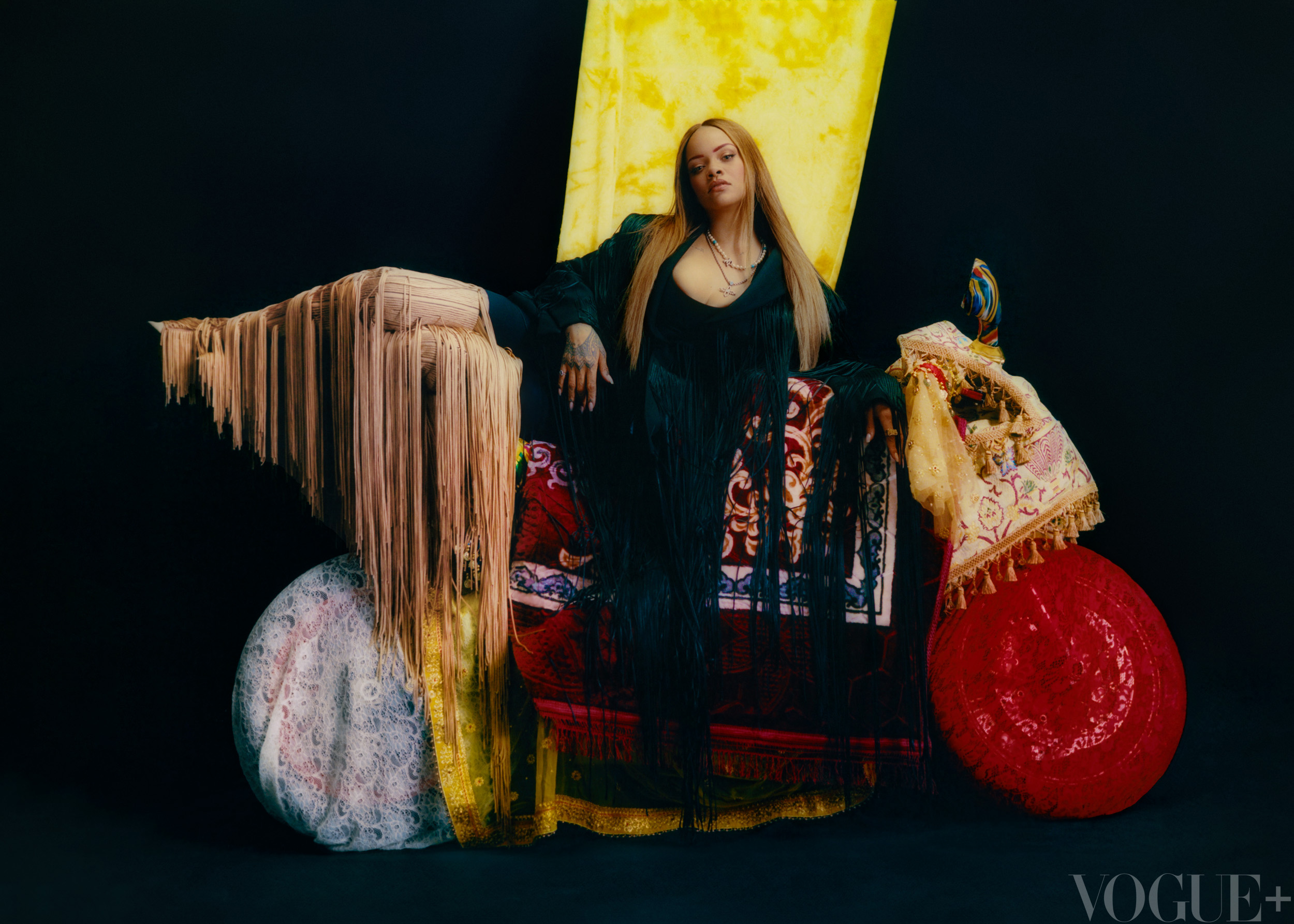
Rihanna by Hailun Ma | Image courtesy of East Photographic
Rihanna: Beauty In Individuality for VOGUE +
Photographing Rihanna was already a milestone, but seeing her standing in front of the Atlas silk felt especially meaningful. It brought something deeply personal and cultural together in a very natural way, and that moment has stayed with me ever since.
By Hailun Ma | Image courtesy of East Photographic
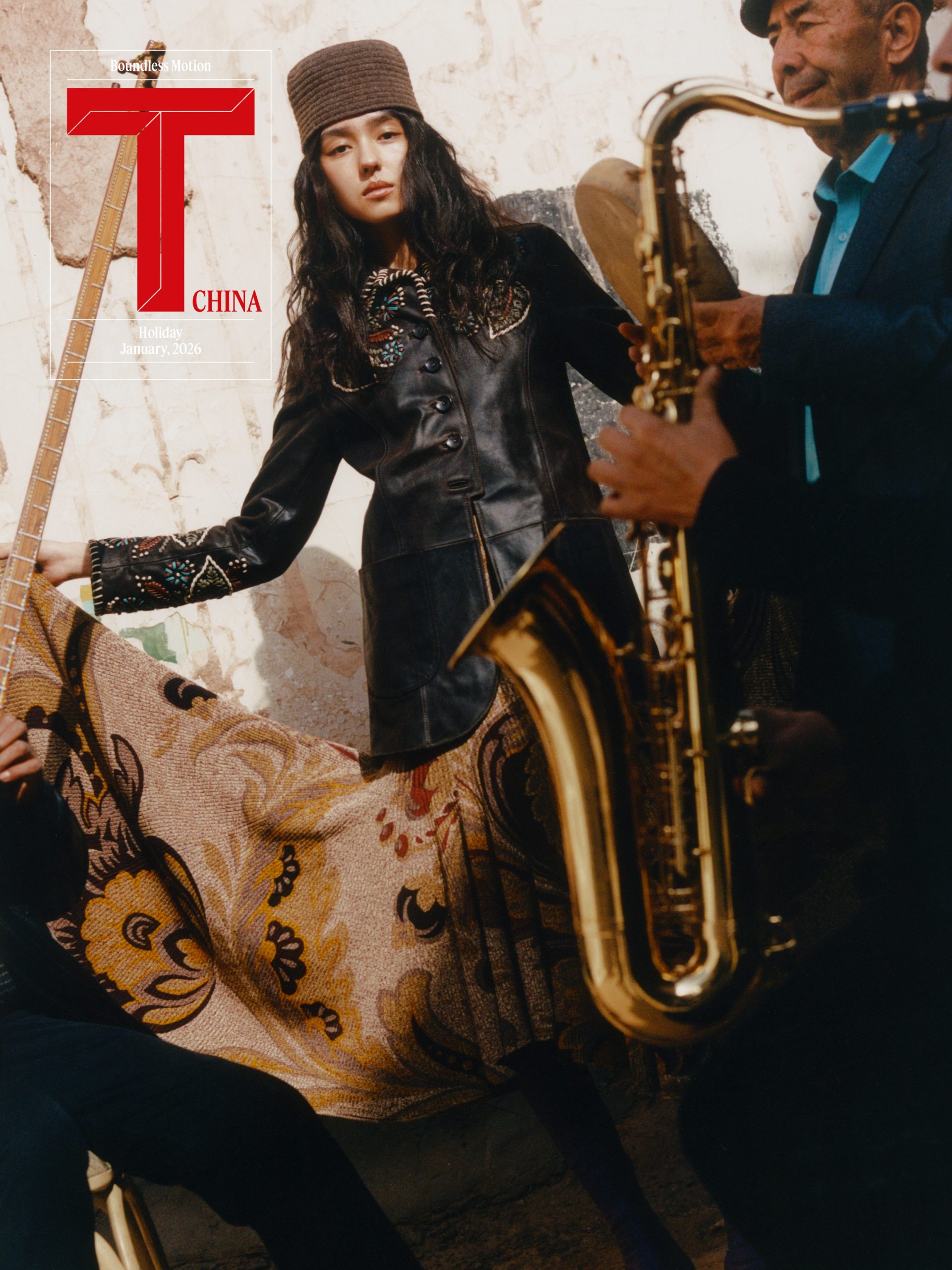
Let‘s Dance for T Magazine China
I’ve always wanted to create a story centered around the music and dance culture of my hometown, Xinjiang. I’m really happy this idea came to life with the support of my stylist and editor friend, Evan Feng. What made it even more special was that the entire story came together with talent from Xinjiang, with me behind the camera, alongside models and extras from the region. In between setups, we even found ourselves dancing together. It happened naturally. It feels incredibly meaningful to finally tell our own story.
By Hailun Ma | Image courtesy of East Photographic
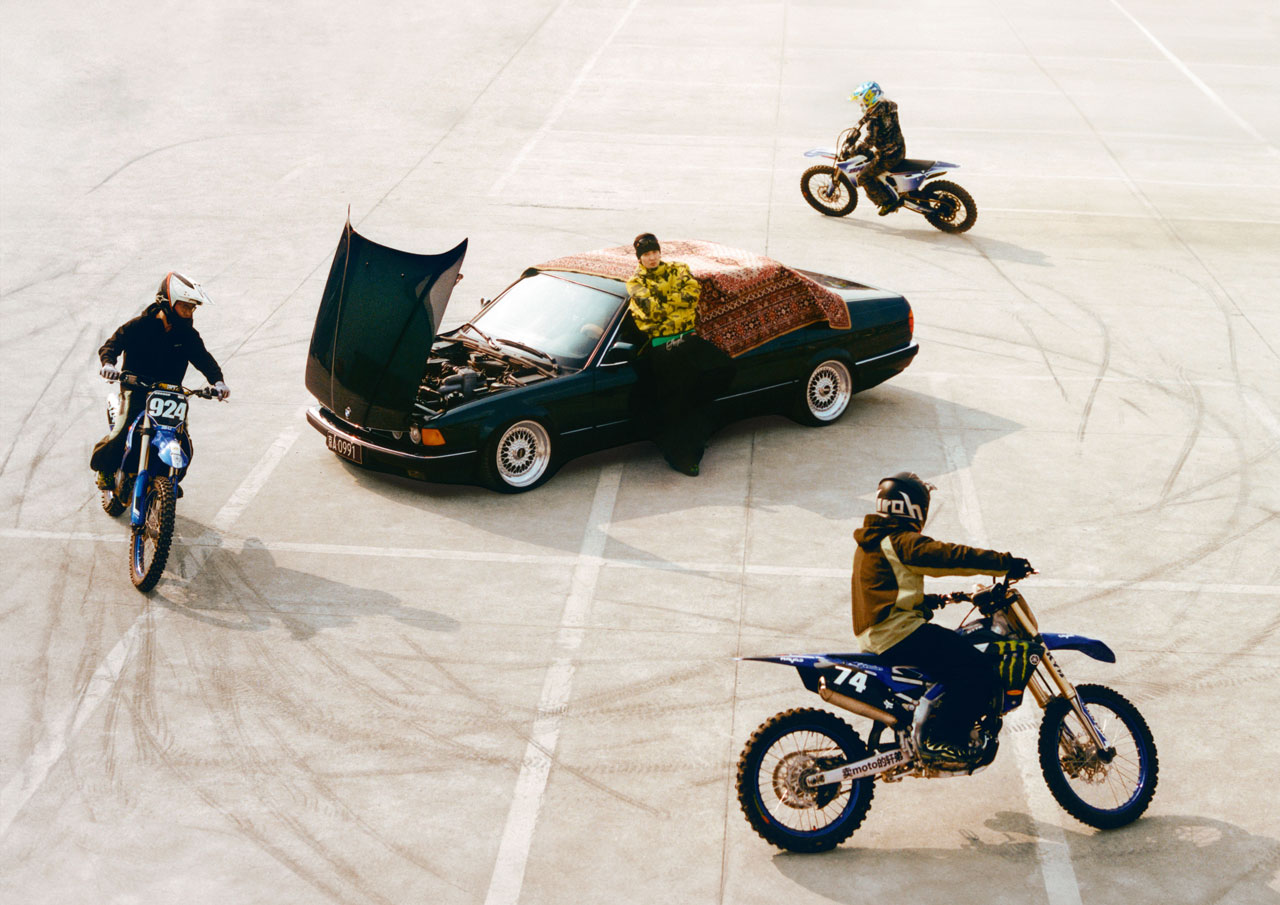
Yaxlar for Nike
At the beginning of 2026, Nike China supported me in creating a zine focused on China’s underground rap scene, featuring rappers from my hometown. It was a fully independent project. From concept to execution, everything was built by us.
By Hailun Ma | Image courtesy of East Photographic
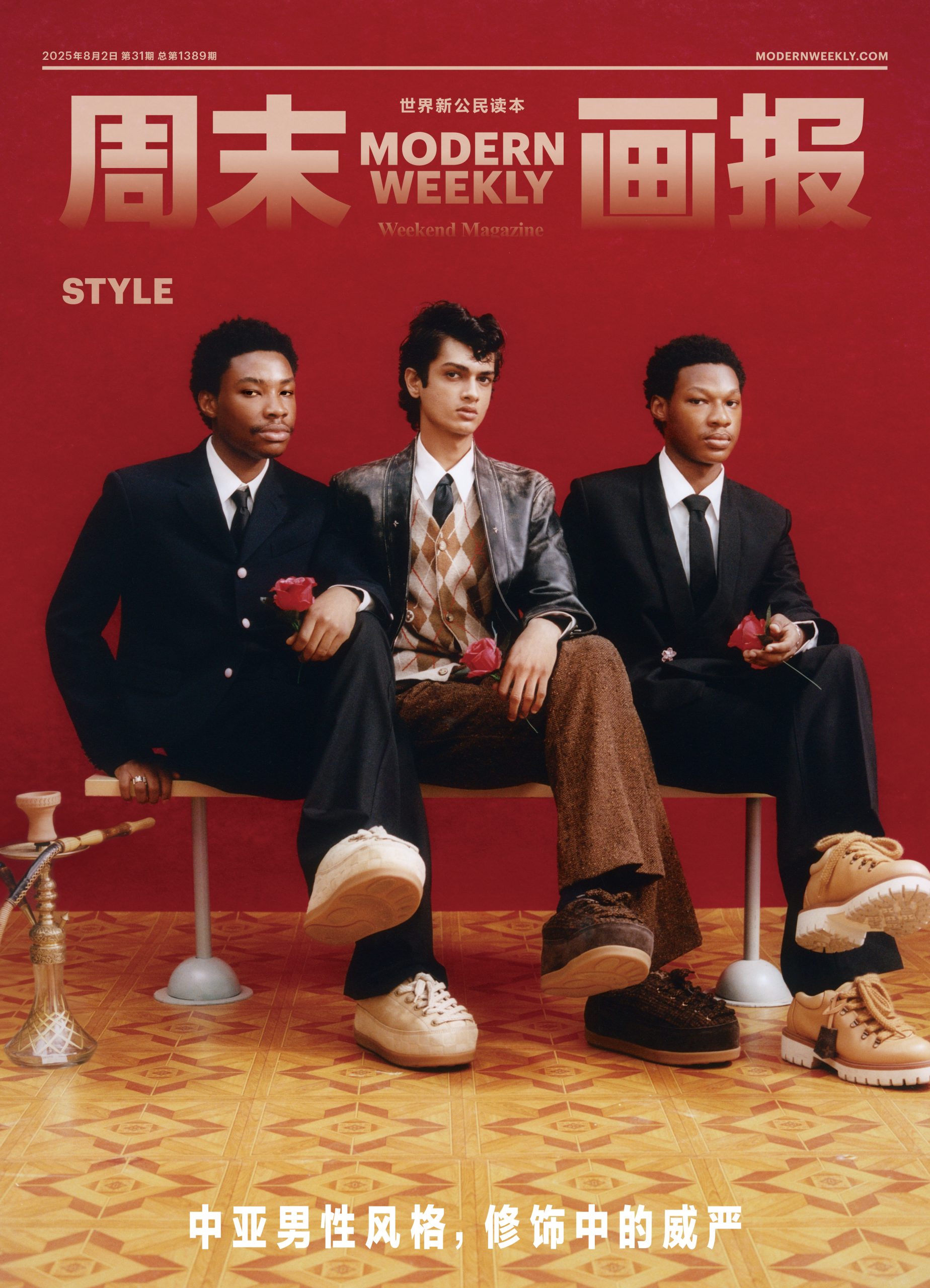
Modern Weekly Style 中亚男性风格
I first explored a similar idea back in 2020, inspired by the aesthetics of Xinjiang and Central Asian masculinity. At the time, I wasn’t fully satisfied with the result. I don’t think I yet had the resources or experience to realize it in the way I envisioned. Five years later, I revisited the idea and pitched it again. This time, it came together in a much more complete and intentional way, eventually becoming the cover story for MWS.
By Hailun Ma | Image courtesy of East Photographic
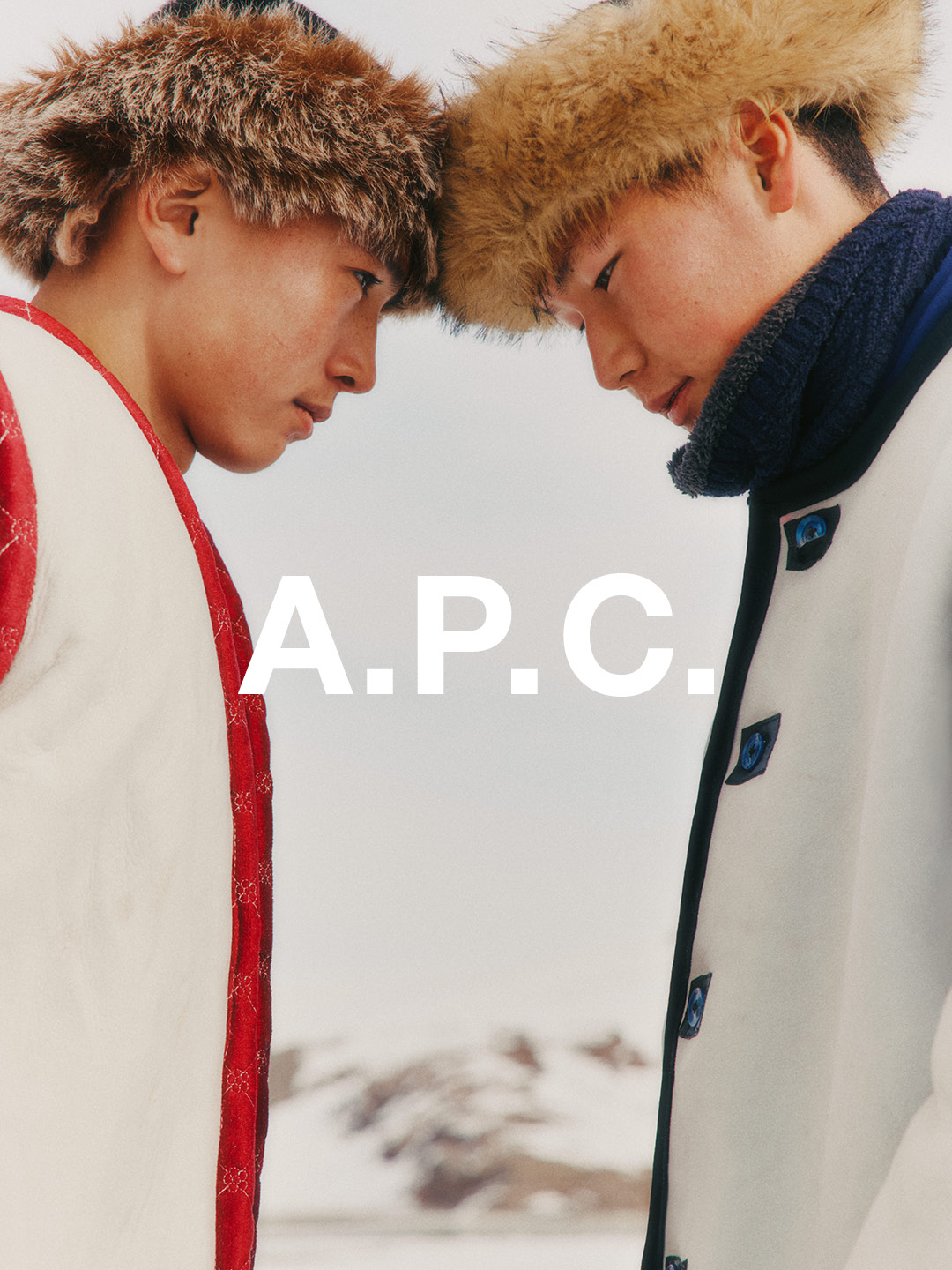
A.P.C Carter Blanche series 07
I’m very grateful for the trust that A.P.C. placed in me to realize this project in my hometown. It’s a commercial story, but also a deeply personal one. I’m happy to show where I come from through a brand like A.P.C. For me, it’s always about finding a balance where the brand and my own perspective can coexist.
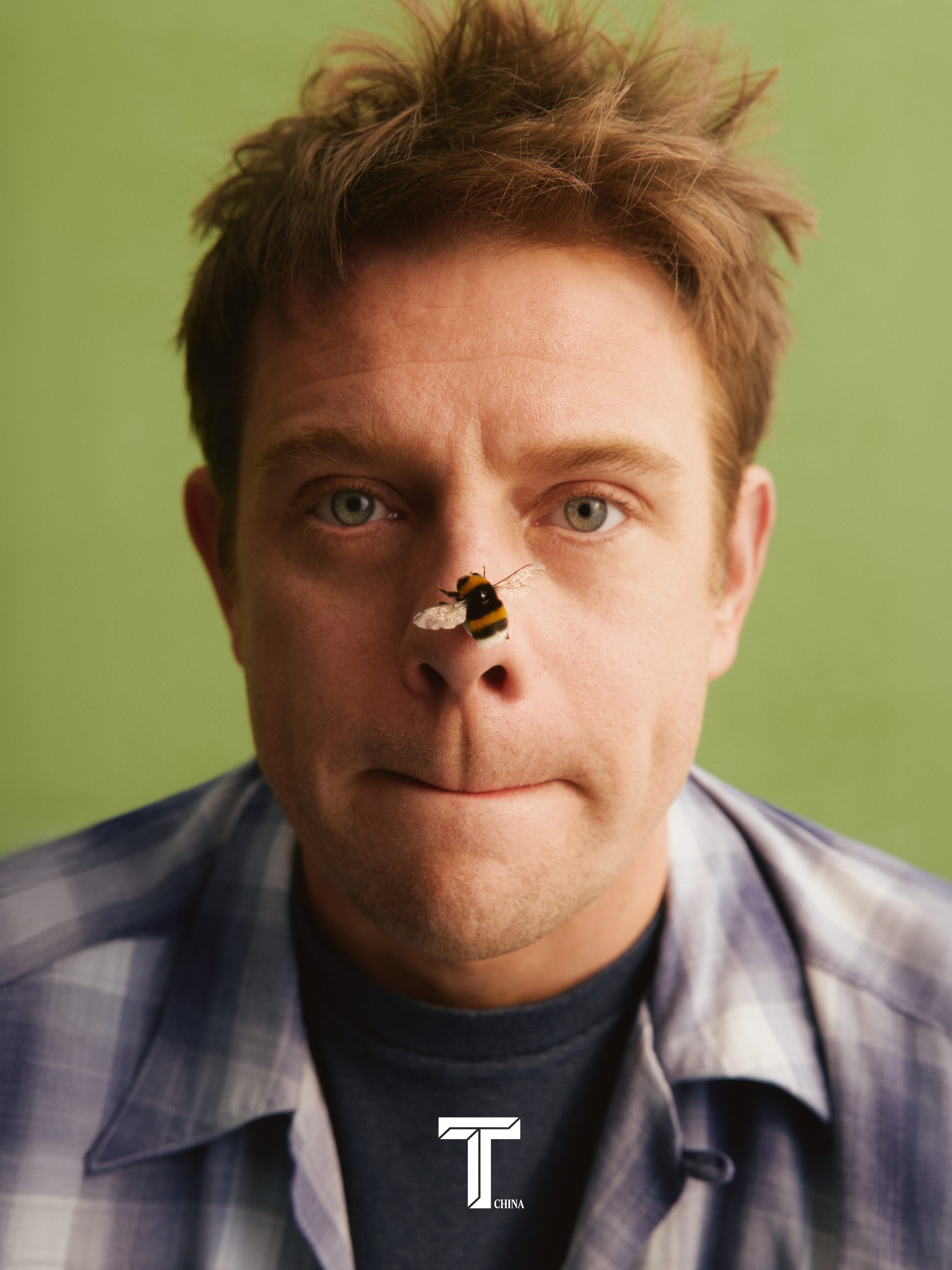
Jonathan Anderson by Hailun Ma | Image courtesy of East Photographic
T Magazine China March 2026 Covers
It was a privilege to photograph Jonathan Anderson. This image is one of my favorites, and in many ways, it reminds me why I’m so drawn to portraiture. It’s simple, yet it feels completely in the moment. It was a true collaboration with Mr. Anderson, and also a slightly unexpected moment. It’s something I’ll always cherish.

By Hailun Ma | Image courtesy of East Photographic
Life Magazine China × Louis Vuitton City Guide
I really love this image. It comes from a childhood memory, as well as an old photograph that stayed with me for a long time. There’s something about the movement that feels deeply personal yet warm. For me, fashion is never cold. It always carries emotion.