Behind the Image is an ongoing MODELS.com series taking a more personal look at both established and emerging creative talent.
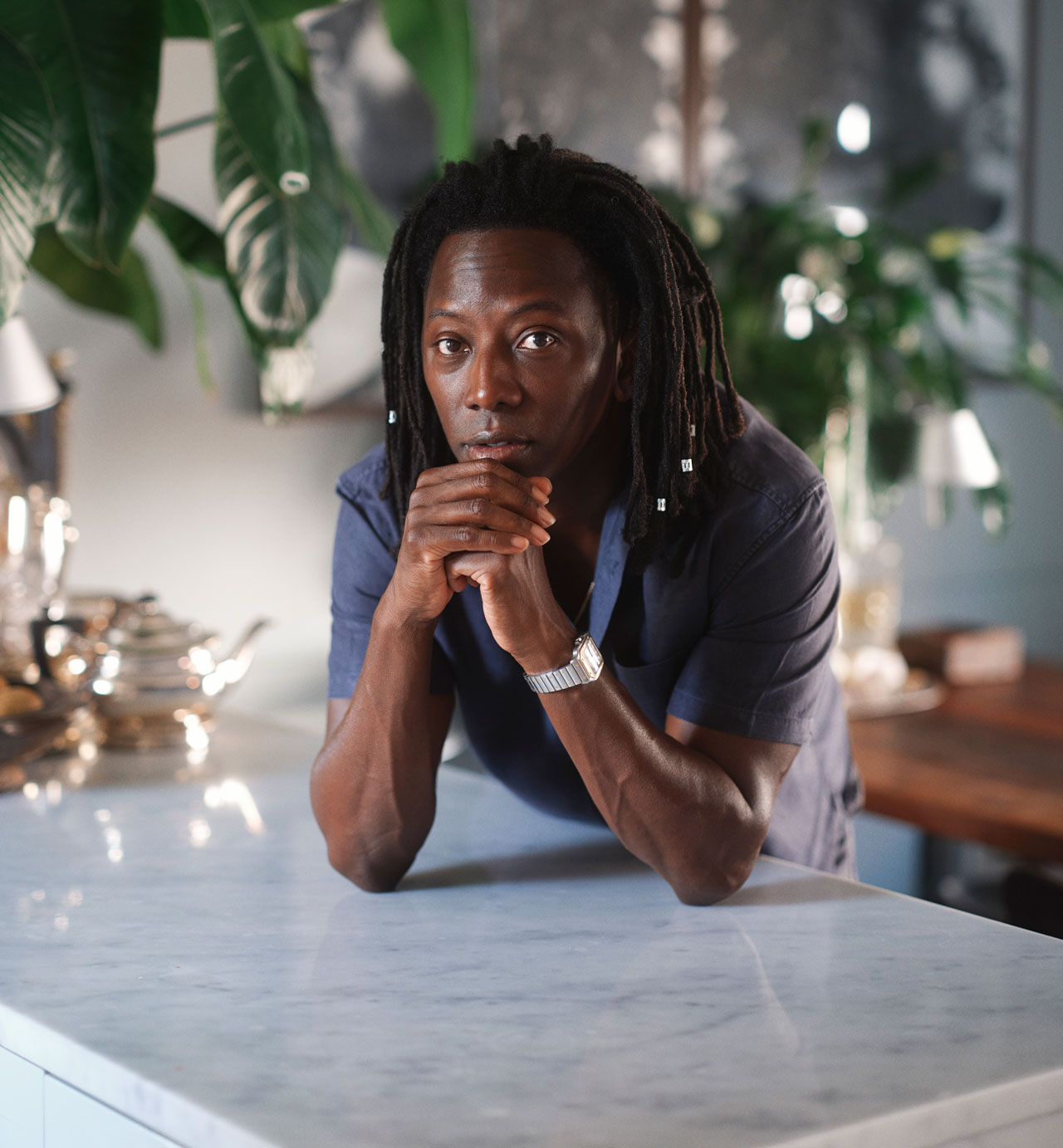
Roger Inniss by Pieter Henket | Image courtesy of Roger Inniss
Roger Inniss, Executive Producer
Hometown: La Chorrera, Panama
Based In: Chelsea, Manhattan, New York
What sparked your interest in creative production, and was there a defining moment that made you pursue it professionally?
I was working in hospitality, managing a team of over 100 employees, while my then-boyfriend (now husband) Pieter Henket was building his photography career, traveling the world in his early twenties and splitting his time between modeling and photographing album covers for rising talent like Ryan Leslie and Cassie. Watching that world from the outside, I remember thinking, I want to be at those parties, I want to be on those assignments. The turning point came at his very first lookbook job, when the casting director at MTC Casting overheard me speaking to models in Dutch, Spanish, and Portuguese and offered me a job in casting on the spot. I turned it down at first, since I had a full-time job with benefits in the restaurant business. But six months later, I took the leap. My first project assisting him was the Diane von Furstenberg show, and I still remember standing in her office, staring at real Warhols, while she was being photographed for Italian Vogue during the casting. She took a call in French, communicated with Maurilio, the casting director, in Italian, all while greeting girls like Alek Wek and Jessica Stam. My mind was completely blown. That was the moment I knew this was the world I wanted to be in.
What non-fashion/beauty influences (art, film, literature, music, etc.) shape your creative perspective?
Growing up in Panama in the 80s and 90s, I was surrounded by a culture in rapid transformation, and one of the most electric parts of that was witnessing the birth of Spanish reggae, what the world now knows as reggaeton. That music did something to me. It wasn’t just something you listened to; it was a whole identity, a collision of Black, Latino, and Caribbean culture that was unapologetically itself. It shaped the way I think about representation, in the artists we bring to a shoot, in the teams we build, in how we make space for the Black and Latino community, the Hispanic community, the queer community. That sensibility lives in every production we do. Every summer, I’d travel to visit my grandmother and aunts in New Jersey, and we’d make it into New York once or twice during those two months. It was a completely different world from Panama, and travel became the number-one motivator in my life. If it meant seeing a new place, learning a new word, experiencing something I hadn’t before, I was on board. A huge part of that pull was music; I’d followed Michael Jackson and Madonna since the eighties and was completely captivated by their videos and mini-movies. That desire to see them live was a big part of why I eventually moved to New York. Two exhibitions also permanently changed how I see art: The Gates in Central Park and Gregory Colbert’s Ashes and Snow, both in 2005.
Take me through a shoot from the moment the brief lands. What happens between that and the image we end up seeing?
A lot happens in between. The first question in my mind is always what it will take to produce these images, whether they can afford it, whether I can afford to do it within their current budget, and how we can put together the best possible team. From there, it’s about piecing the puzzle together toward one outcome: the deliverables. Because we’ve kept our overhead lean, we’ve been able to accommodate clients in most cases. It’s a real collaboration, going back and forth on what they want to achieve versus the realities of budget and expectations. It’s a healthy conversation. We tend to make it look easy for both the client and the crew, which usually means that behind the scenes, we’re doing the most. Broadly, it flows like this: a request, a call, a brief deck, an estimate, the project being awarded, pre-production, production, post-production, job wrap, and deliveries. Depending on the project, that whole arc can take anywhere from five days to a full year. When the right brief lands in my inbox, I can practically see the shoot days already, with a handful of photographers in mind; that part is always exciting.
What’s the craziest impromptu situation you’ve had to navigate on a job, and how did you handle it?
Two productions come to mind immediately. The first was my very first cover shoot for American Vogue, which also happened to be Nicki Minaj’s first Vogue cover. It was a big deal on every level, and I had put together a strong team to execute it over two days in the studio. The day before the shoot, I got COVID. As an executive producer, panic is the last thing you can afford to show, but I’d be lying if I said it wasn’t the first thing I felt. I had to trust the process, stay calm, and rely completely on my team to carry it through, which they did. Managing a production of that scale, with talent of that stature, entirely remotely was one of the most clarifying moments of my career. It showed me what a great team actually means. The second was the Anne Hathaway shoot for Vanity Fair. We were fully staged and ready to go when she walked off set in solidarity with a Condé Nast union walkout happening that same morning. One minute everything was in place, the next our talent was gone and we had to figure out how to salvage the entire production. We had to move fast, rebooking everyone for a new date and re-coordinating every moving part almost overnight, the location, equipment rentals, motorhomes, transportation, the entire crew, and realigning the schedules of every artist involved, all of whom had packed calendars. Nothing about a shoot like that is a single phone call, it’s dozens of them, happening at once. It’s the kind of moment that tests everything you’ve built as a producer: you can’t panic; you just have to solve it piece by piece until the new date comes together for everyone.
What’s something that can really make or break a production, even if it seems small?
Not having coffee ready early in the morning, no matter how remote the location, having bad food on set, or not having Wi-Fi or cell signal, these are the small things that quietly erode a crew’s faith in a production. People will forgive a lot of chaos if they feel taken care of, but the moment basics like that fall through, it changes the energy of the entire set.
You produced Birds of Mexico City, Pieter Henket’s book of portraits of a new generation of young Mexicans reshaping ideas of gender, identity, and tradition. What was that process like, and how does producing a book differ from an editorial or campaign?
Producing a book is a very different process from producing an editorial or an advertising campaign. The book Boom produced for Random House, called Congo Tales, took five years, with an unclear timeframe due to the inordinate difficulties of producing content in the Congo rainforest. That project, shot by Pieter, changed world news coverage of the environment and wound up on the front page of the New York Times International Edition, which is a whole different ball of wax from an editorial or commercial production. Congo Tales was a career-changing production for Pieter (Henket) as well as for Boom. Not many projects wind up on the front page of the Times International Edition. Commercial productions, however, are built around a specific brief, timeline, and client. A book allows you to work over a much longer period of time and develop something with more depth.
With Birds of Mexico City, we weren’t just producing a series of photographs. We were supporting a long-term project that involved building relationships with people and communities, returning over multiple trips, and giving the work the time it needed. From a production standpoint, that requires a different mindset, you’re thinking in years rather than days. One of the things I appreciate about producing Pieter’s books is their longevity. Congo Tales is an excellent example, and we’re well on our way to achieving the same impact with Birds of Mexico City. Campaigns and editorials, however, serve a particular moment. The books we produce become part of libraries, museum collections, institutions, and private collections around the world, where they continue to exist well beyond their publication. That gives the work a different kind of purpose. For me, that’s one of the most rewarding aspects of producing these projects. We have the opportunity to create work that documents communities with sensitivity and respect, while contributing something that will remain accessible long after the photographs are made.
What other jobs have you had?
At 18, I became, without exaggeration, the best busboy you’ve ever seen. I worked for TGI Fridays in Panama, and over the years there, I moved through nearly every role, server, host, and eventually head trainer for the franchise across Panama, helping open 19 restaurants in 15 countries across Latin America, the Caribbean, the US, Canada, Mexico, and Portugal. In my last five years with the company, I worked my way up through management, ending as an Associate General Manager. In total, I spent 11 years with that company, and that job trained my eye for management, handling college-aged employees and hungry guests under pressure, which turned out to be more production-adjacent than I ever expected. I immediately opened Boom Productions, Inc. after I left, with no previous casting or production experience at all. What many people don’t know is that in the early years of Boom, I became most known as a casting director. For ten years, I cast shows at every New York Fashion Week, and briefly in Milan as well, starting with smaller and mid-sized shows and eventually landing Moncler as a client in 2010, serving as their casting director for their New York show through 2016. During that period, I worked closely with agencies on model and street casting for various clients. That was the side of me the industry knew best until around 2015, when I made a deliberate shift and turned my full focus to growing Boom’s production side into what it is today.
What’s one thing outside of your work that you would like people to know about you?
I’m a polyglot, and I love interesting people. I’m turned off by arrogance and a total sucker for kindness.
Who do you think is one to watch?
I’m excited to see how the work of Amber Pinkerton and Rahim Fortune develops, two photographers I’ve met in the last 12 months who I haven’t worked with yet, but who bring a fresh ease to their work.
Selected Work
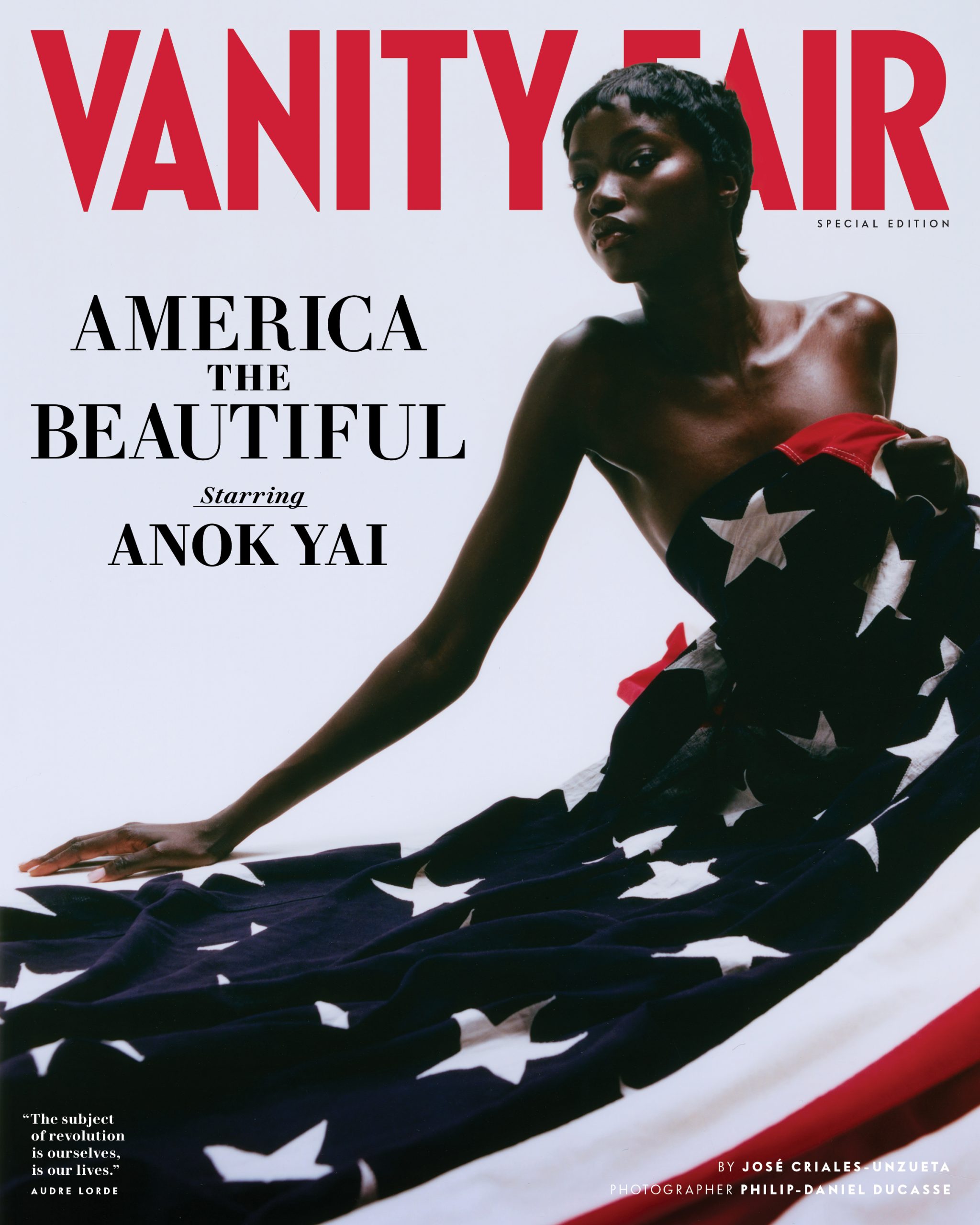
Anok Yai by Philip-Daniel Ducasse | Image courtesy of Roger Inniss
Vanity Fair U.S. July 2026 Special Edition Cover
My first collaboration with Anok Yai, someone I had long been looking forward to working with. When this request came in, I immediately cut my summer holiday short to execute this project personally. The message aligned 100% with my values.
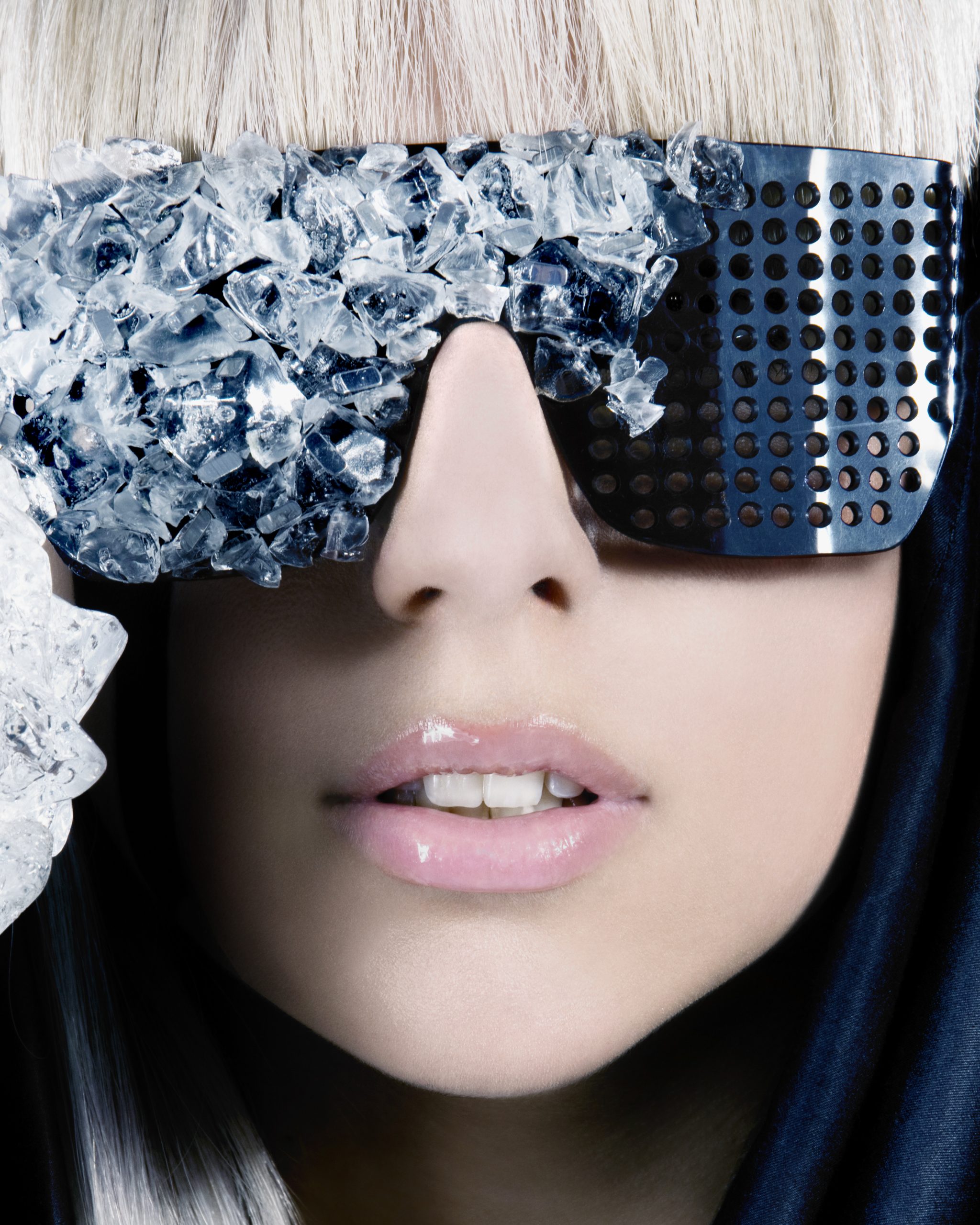
Lady Gaga by Pieter Henket | Image courtesy of Roger Inniss
Lady Gaga — “The Fame” Album Cover
This image was included in the American Women exhibition at the Metropolitan Museum of Art, a moment that took Pieter (Henket’s) and I’s work from commercial photography into fine art for the first time. The 6x RIAA certified platinum album has sold over 23 million copies worldwide.
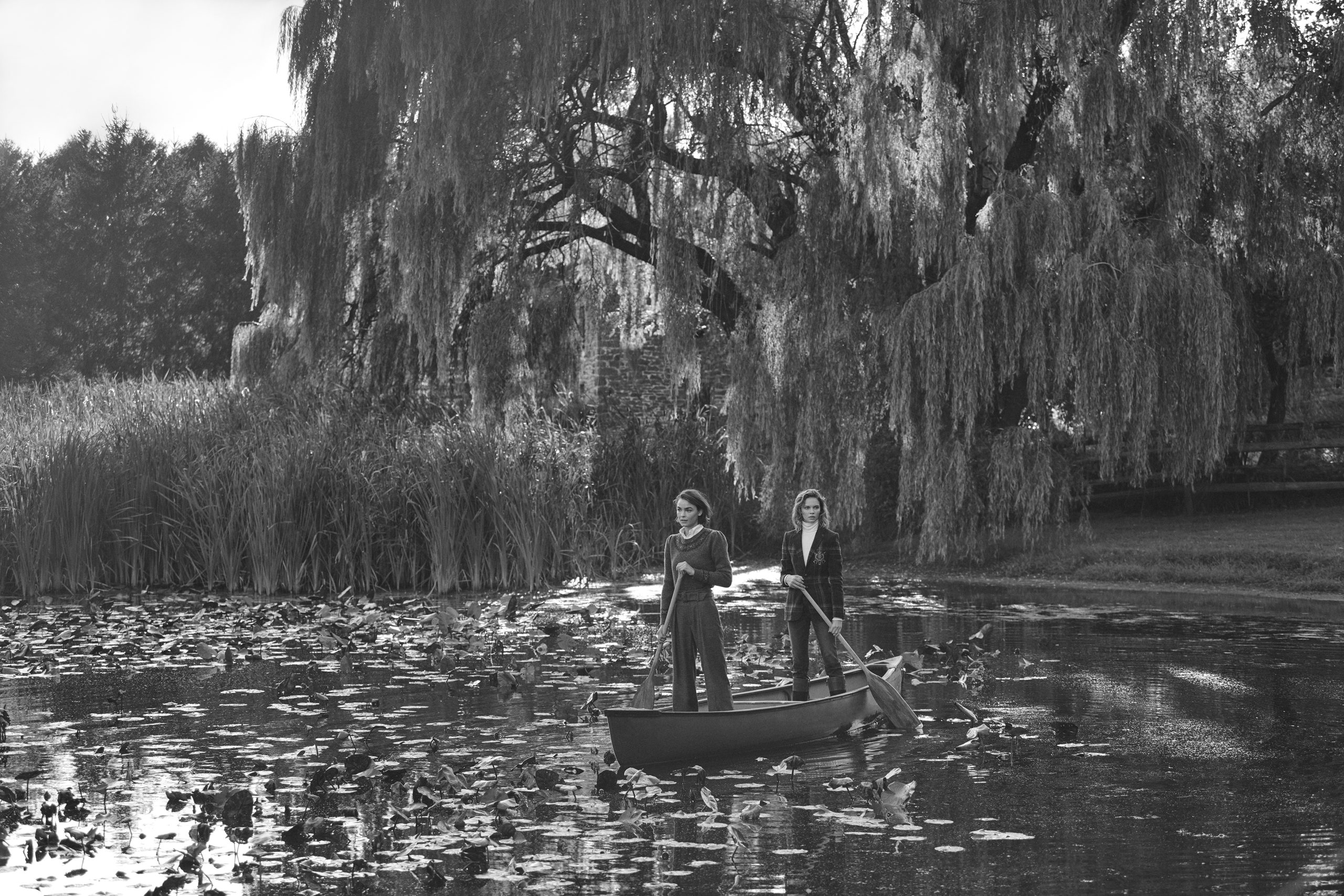
By Blair Getz | Image courtesy of Roger Inniss
Polo Ralph Lauren Holiday Campaign
This shoot represented the first time I worked with a global American brand to create multiple campaigns across 2018 and 2019. It was a tremendous honor to collaborate with a brand of that stature, and it marked a turning point in how the industry saw Boom.
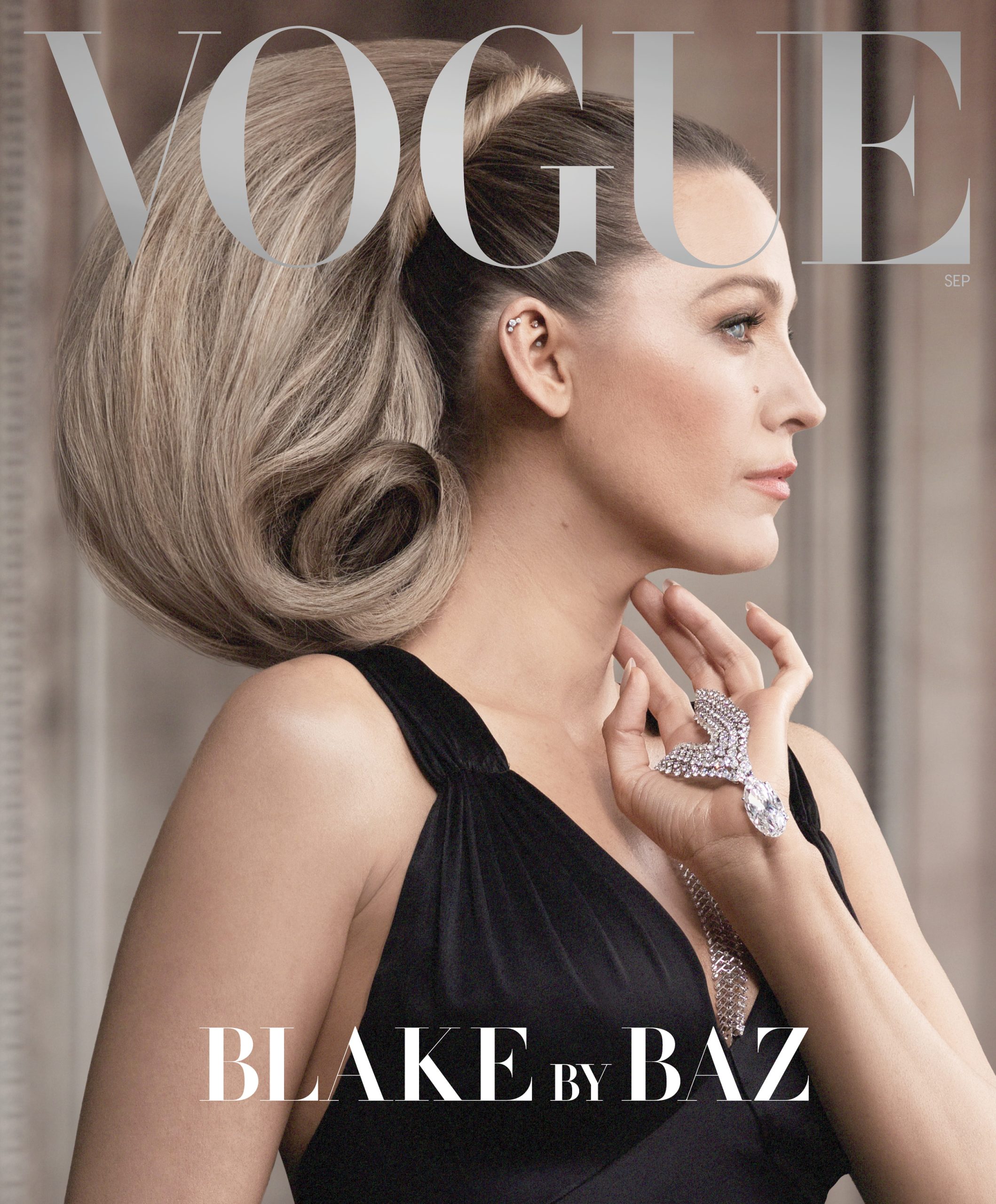
Blake Lively by Baz Luhrmann| Image courtesy of Roger Inniss
American Vogue September 2024 Cover
An extraordinary collaboration. Getting to work with the iconic director Baz Luhrmann, fashion editor Tonne Goodman, and four-time Oscar winner Catherine Martin on the Vogue September issue on the most coveted cover in fashion publishing was and remains one of my proudest achievements.
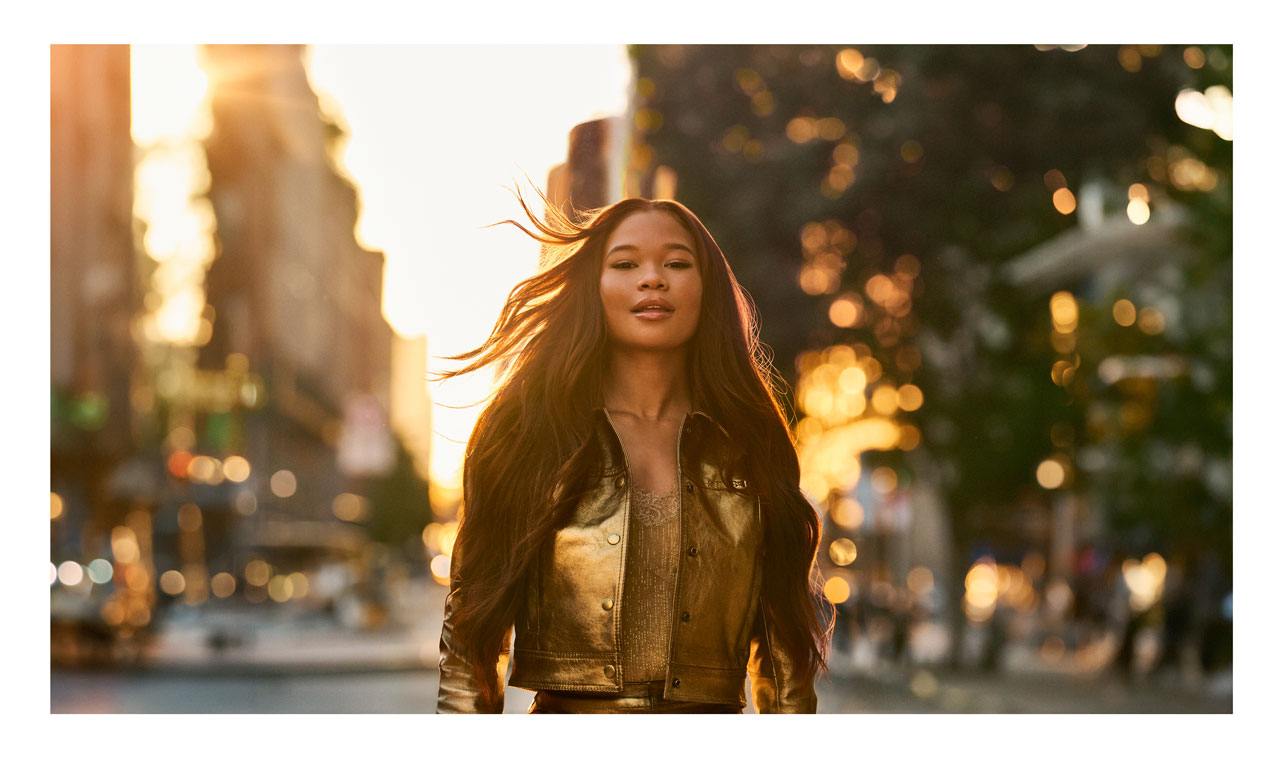
Storm Reid by Cass Bird | Image courtesy of Roger Inniss
Coach Gold Fragrance 2025 Campaign
Our first global fragrance campaign. We were thrilled to collaborate with Cass Bird on this project and to see the work running around the world in advertising eventually.


