Behind the Image is an ongoing MODELS.com series taking a more personal look at both established and emerging creative talent.
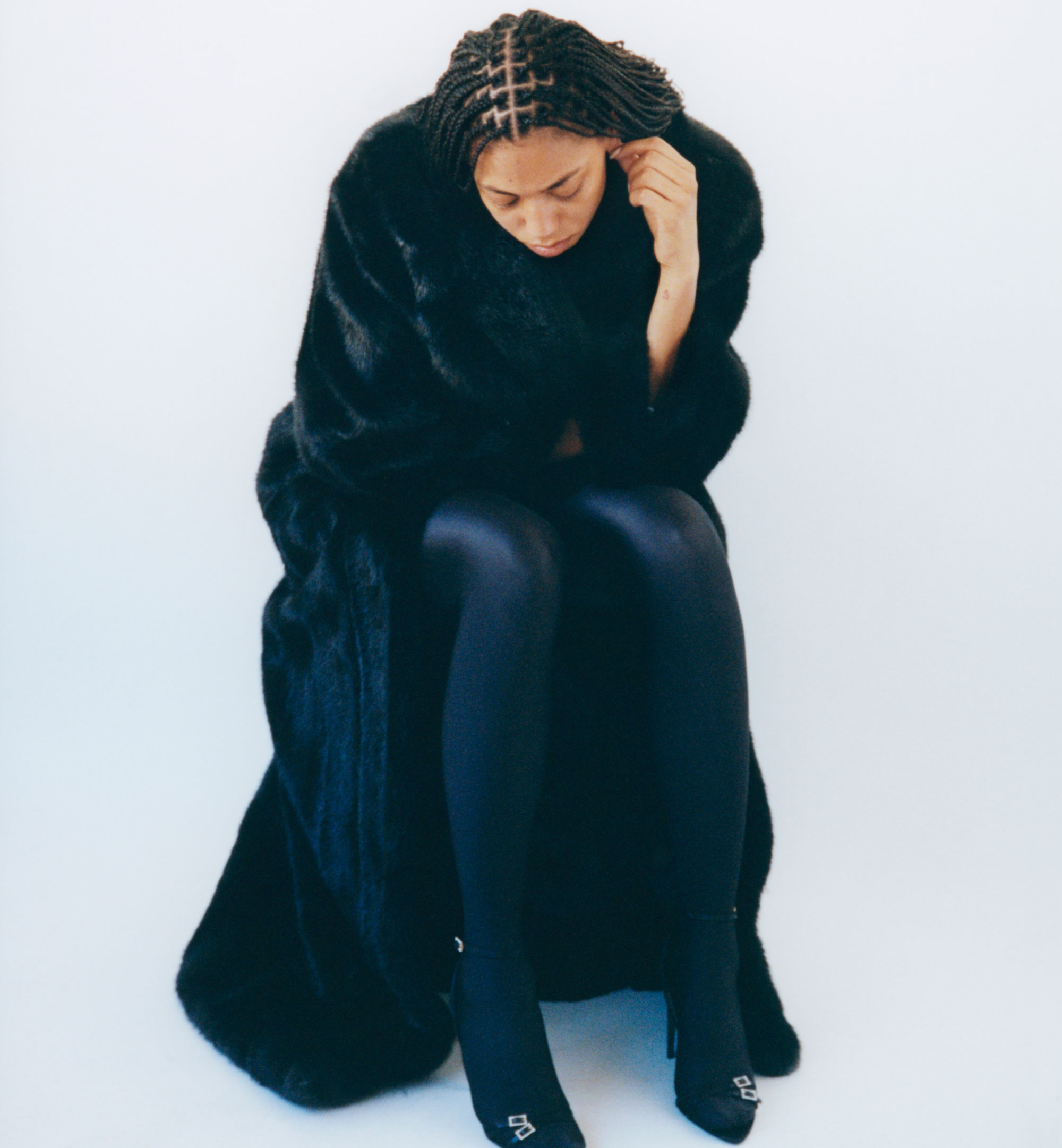
Laëtitia Gimenez Adam by Phil Engelhardt | Image courtesy of Streeters
Laëtitia Gimenez Adam, Fashion Director + Stylist
Hometown: France (born in N’Djamena, Chad)
Based In: Paris, France
Representation: Streeters
What sparked your interest in styling, and was there a defining moment that made you pursue it professionally?
Fashion has always fascinated me. It felt like a world that was both incredibly desirable and somehow inaccessible. My first fashion obsessions came through pop culture, films, and photography. Fashion felt like a world where identity could remain fluid, a place where it wasn’t something you only inherited, but something you could consciously shape. It was an escape, a world of freedom and fantasy. I first studied art and design before joining École Duperré in Paris to study fashion design. I loved researching archives, experimenting with silhouettes, building visual narratives, and imagining how everything would come together in an image. I loved designing garments, but I never saw them as ends in themselves. Every piece already existed as part of an image in my head. Photography has always occupied a very special place in my life. In my family, photographs were never just records of the past; they were how stories were told. I experienced the emotional power of photography long before I ever imagined it would become the world I’d eventually dedicate my life to. That’s how I realized I wasn’t obsessed with garments alone. I was obsessed with image-making. Fashion became my language, but image-making became my medium.
You were born in N’Djamena, Chad, and grew up between Togo, Spain, and France. How has growing up across those different cultures shaped the way you think about identity and image-making?
Growing up between different cultures made me aware very early that identity isn’t something fixed; it’s something we construct. It shifts depending on where you are, who’s looking at you, and the world you’re moving through. When I arrived in France, I found myself navigating between very different social environments. To be honest, it was very tough. That’s when I became aware of how clothing could completely change the way people perceived you, whether you understood the codes, whether you seemed to belong, or whether you stood out. That was probably my first real relationship with fashion: not as something aesthetic, but as something social.
In France, my skin color often means people assume I’m from somewhere else. In Togo, that’s the same. I’ve always lived slightly in between. For a long time, not fitting neatly into one box felt difficult. As I’ve grown older, I’ve become much more interested in doing the opposite. I refuse to fit into any box. Today, I don’t think of myself as more Togolese than French. I’m a little bit of all of those things, and at the same time something entirely my own. I think that also shaped the way I approach image-making. I love it when different worlds collide without trying to become one another. That in-between space has become the place where I feel most creatively free.
How would you describe your work? What’s your trademark?
It’s always difficult to describe my own work because I don’t think I have one formula, and I hope I never will. My work is very instinctive and intimate. I’ve always been fascinated by women and by what makes them sexy. It can be their confidence, humor, mystery, etc. It’s different every time. Women with quiet confidence, strong, smart, and completely at ease with their sensitivity, inspire me. I love women who don’t need to perform power because they already possess it. That’s the kind of femininity I’m always trying to reveal through my work.
I also think that contrast and contradiction are at the heart of my work. I’m interested in creating unexpected dialogues between luxury and everyday life, refinement and rawness, sophistication and spontaneity. When I’m styling, I’m constantly thinking about proportion, balance, and how a garment affects the body. I’m fascinated by the architecture of clothing and by the relationship between construction, composition, and attitude.
I’ve also realized that my work is much more about editing than adding. I’m always searching for the point where a look stops feeling over-styled and starts feeling real. Very often, the last styling decision I make is to remove something. That’s usually when the silhouette starts to breathe. I love creating tension in my looks and dialogue between clothing and skin. There’s an unapologetic sensuality running through my work. I love when a look feels effortless, even though it’s been carefully curated. To me, that’s incredibly sexy. Maybe that’s my trademark more than any recognizable aesthetic: creating looks that feel lived rather than simply styled.
As Fashion Director of Purple Magazine, how do you approach storytelling through fashion on an editorial level?
For me, storytelling in fashion isn’t necessarily about telling a literal story. It’s about creating a visual fantasy. I joined Purple when I was very young, so in many ways I grew up there. Fashion stopped being an isolated discipline and became part of a much larger cultural conversation. Every issue of Purple is built around a theme. Olivier Zahm uses each issue as the starting point for an ongoing dialogue among an unusually diverse range of contributors, including artists, photographers, writers, philosophers, filmmakers, musicians, architects, scientists, and thinkers from many different disciplines.
Fashion is only one voice within that conversation. Being surrounded by those exchanges completely changed the way I think about editorial storytelling. An editorial is never just about clothes. It’s about the ideas, emotions, and questions an image can carry. As Fashion Director, I’m always thinking about how each editorial contributes to the magazine as a whole. I love creating dialogue between different voices and different ways of seeing the world. I don’t believe every editorial should communicate the same idea or belong to the same aesthetic. Some stories are quiet; others are provocative; some feel intimate; others are documentary. What matters is that every story has a genuine point of view.
What other jobs have you had?
I worked as a Fashion Editor at Balenciaga during Demna’s tenure as creative director. It was a defining school for me, both creatively and personally. Demna created a space where people who had never really fit into conventional boxes could finally feel seen, heard, and represented. That resonated deeply with me. Working with Demna taught me to think much more conceptually. I learned to think about the character behind a look, the social codes, the stereotypes, and the ideas clothing can communicate. It completely changed the way I approach image-making and taught me that the most interesting ideas often come from thinking outside the box.
What non-fashion/beauty influences (art, film, literature, music, etc.) shape your creative perspective?
Before studying fashion, I studied art, design, and architecture, and I think modern and contemporary art shaped my eye before fashion did. I was fascinated by the artistic movements of the twentieth century, not only because of their aesthetics, but because they challenged conventional ways of seeing the world. It also influenced me on composition, proportion, geometry, materiality, and space. One of my earliest visual memories was watching Devdas, a Bollywood movie, over and over again as a child. I was obsessed! Looking back, I realize that I wasn’t only fascinated by the costumes, but by the women, their gestures and movements, the colors and rituals, and by the way every visual element contributed to building an emotional world. It was probably one of my earliest lessons in visual storytelling. It taught me that fashion could become part of a narrative rather than simply something to wear.
Today, traveling is probably my greatest source of inspiration. Every place has its own visual language and its own relationship to beauty, movement, and elegance. I love arriving somewhere where I don’t yet understand the codes. It forces me to slow down, observe, and become curious again. I’m fascinated by the way people dress when they aren’t trying to be fashionable, the way they move, the way they occupy space, and the small gestures that reveal who they are. Cinema, literature, architecture, painting, and photography are all part of the same conversation. They each teach me a different way of looking. That’s why I’m much more interested in looking outside of fashion than at fashion itself. Sometimes the best way to make a fashion image is to stop looking at fashion for a while.
What’s your process for conceptualizing a look? Do you start with references, emotions, or something else entirely?
Every project starts differently, but I always begin with image research. For my editorials, I usually start by immersing myself in the photographer’s visual language. I like to work with photographers who have a strong aesthetic; I’m interested in creating a dialogue between their universe and mine. Then I start imagining the woman we’re creating. Before thinking about the clothes, I’m thinking about who she is. I love spending time preparing. Image research is something I do constantly. I love building wardrobes and, most of all, experimenting during fittings. All that preparation simply gives me the confidence to trust what feels right in the moment. Because once I’m on set, I mostly have to forget everything I’ve prepared. The preparation creates the freedom for an idea to evolve. I’m a perfectionist, and I naturally want to control everything, so learning to trust the unexpected is something I’m still working on. Ironically, some of the strongest images I’ve worked on came from things we didn’t plan.
What’s been the biggest challenge in your career so far?
Without hesitation: learning to trust myself. I started in this industry very young, and for a long time, I thought experience meant having all the answers. When you’re surrounded by incredibly talented photographers and creatives, it’s easy to believe that everyone else knows better than you. But over the years, I’ve realized that the creatives I admire the most are often the ones who keep questioning themselves. Confidence naturally comes with experience, but there’s also a danger in believing you’ve figured everything out. Ironically, learning to trust myself has come from accepting that I don’t always need to have all the answers.
What do you love most about what you do?
I love that every day and every project never looks the same. This job never lets you become comfortable or repeat yourself. No matter how much experience you have, you’re constantly challenged. You have to keep questioning yourself, adapting, and reinventing the way you see. It can be exhausting sometimes, but I think I would be bored otherwise aha! I also love traveling through my work. It has taken me to places I never imagined I’d visit. Those are the moments when I feel most grateful to work in this industry. Fnally, I love that fashion is never created alone. A fashion image never belongs to just one person. Everyone builds it on set. Every person changes the image in a way. Every shoot creates this strange temporary family. For one day, people from completely different backgrounds, cultures, and generations come together to make something that didn’t exist before.
What advice would you give to aspiring stylists who want to build a lasting career?
Observe everything. Curiosity is probably the most important part of this job. Fashion is a reflection of culture, so be open to the world. Inspire yourself and look beyond fashion. I think we’re living in a moment where everyone in fashion has access to almost the same references. Images exist in conversation with literature, philosophy, cinema, contemporary art, architecture, politics, etc. Fashion can be a way of thinking rather than simply a way of dressing. Pay attention to people and everyday life. Learn by doing. Don’t wait for a school, for money, a publication, or for the perfect opportunity. Start collaborating with the people around you, wherever you are, and with whatever you have. Don’t wait for permission, the industry rarely tells you you’re ready, sometimes you simply have to start. Try to keep your calm when everything changes five minutes before a shoot, ahah. You’ll have to learn how to solve problems, communicate, and work with people. Be kind. Be patient. Don’t compare yourself to others. Finally, never stop learning. Every project, every mistake, and every collaboration teaches you something. Let your work grow with you.
Selected Work
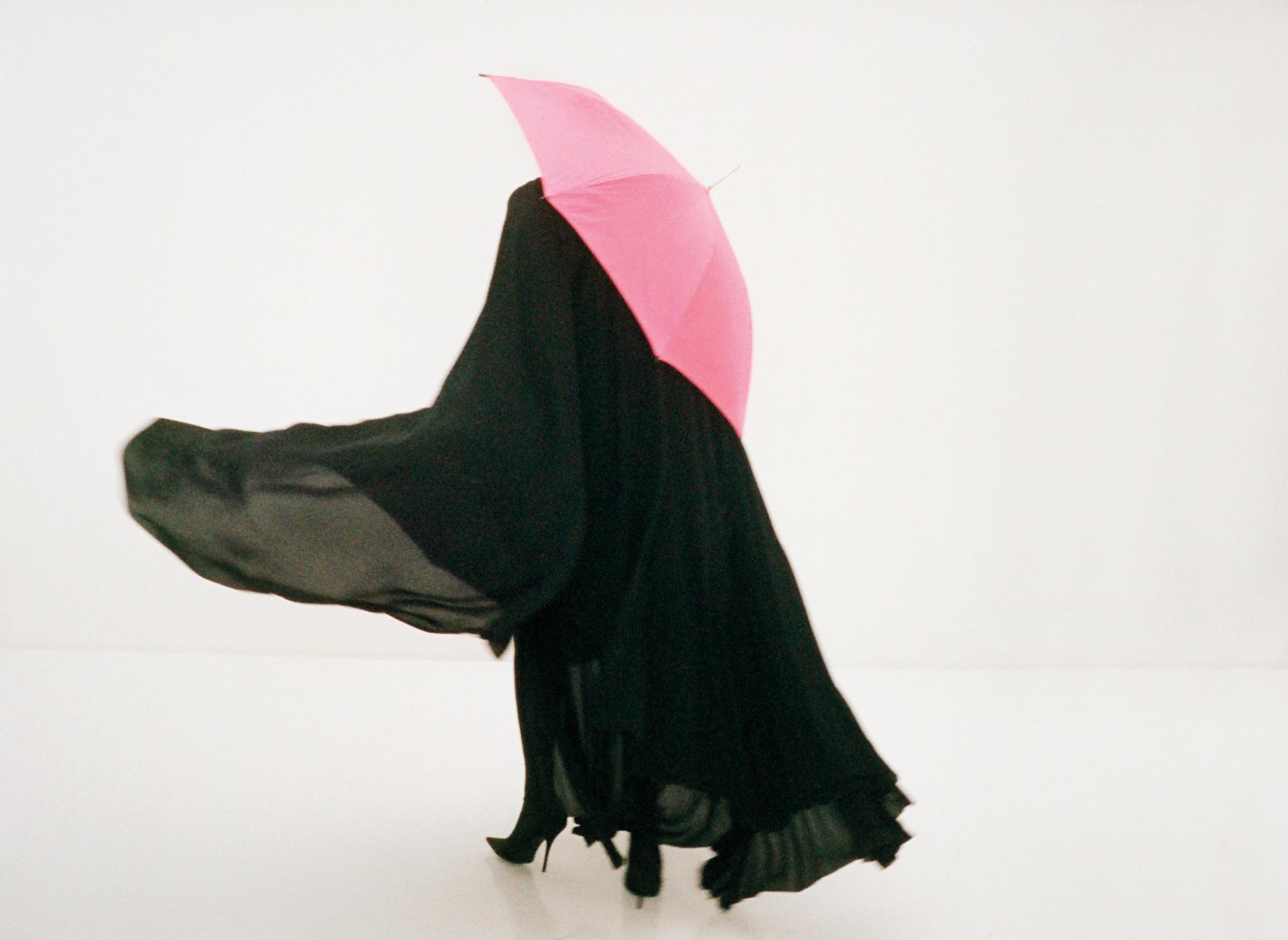
Malgosia Bela by Mark Borthwick | Image courtesy of Streeters
concept for Purple Magazine
This was my first shoot with Mark Borthwick, whom I admire a lot. He is a true magician. There’s an incredible sense of freedom on his sets. Nothing feels predetermined. We simply respond to one another and discover the images as we go. Mark’s way of working constantly invites experimentation. The clothes become part of something much bigger, never their only purpose.
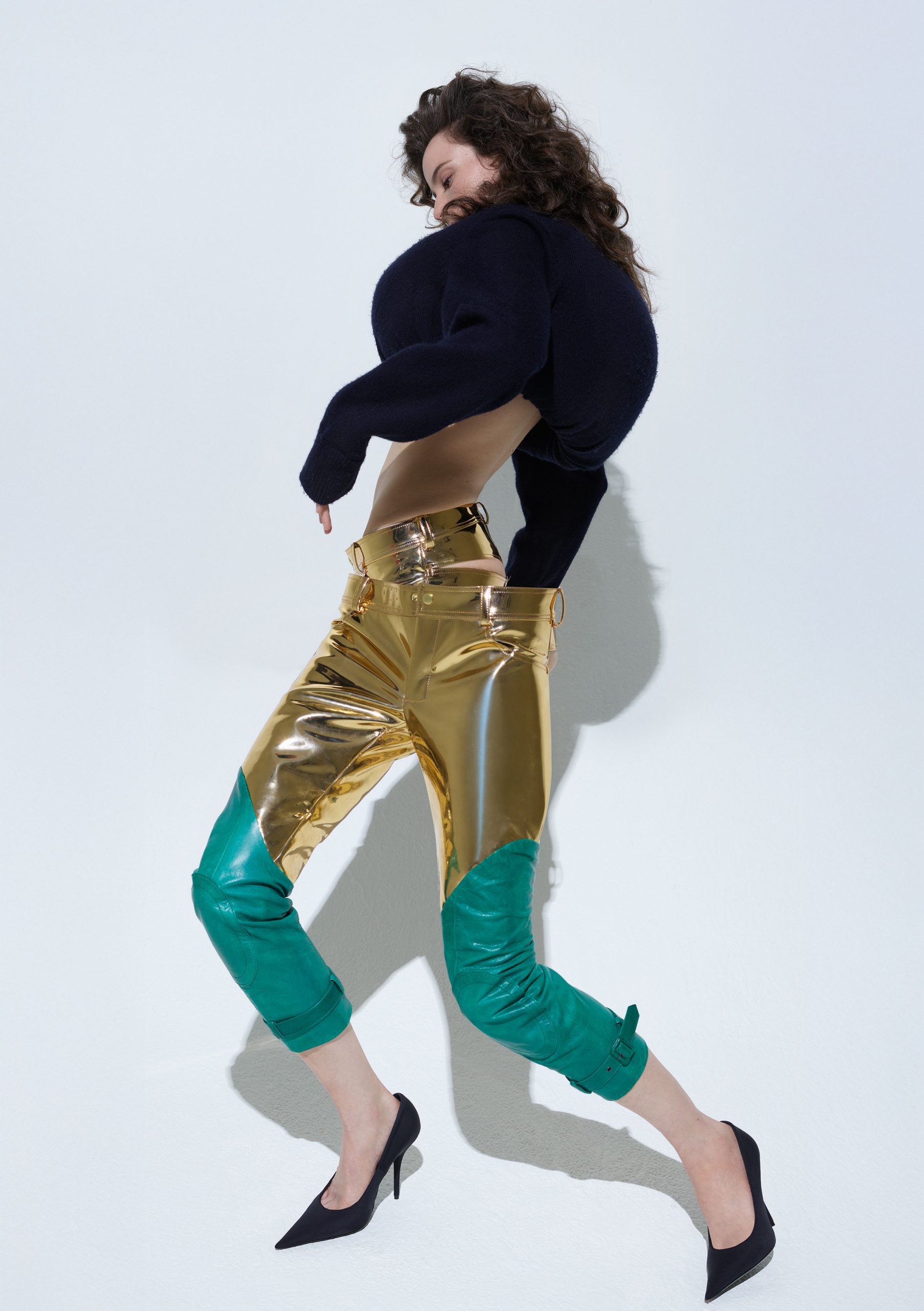
Anna de Rijk by Viviane Sassen | Image courtesy of Streeters
Duran for i-D Magazine
I’ve always been fascinated by Viviane Sassen’s visual language. This was my first time working with her. I love the way her images play with shapes, movement, and color until the body almost becomes an abstract composition. With Duran’s (Lantink) sculptural silhouettes, it felt like the perfect meeting of two visual languages.
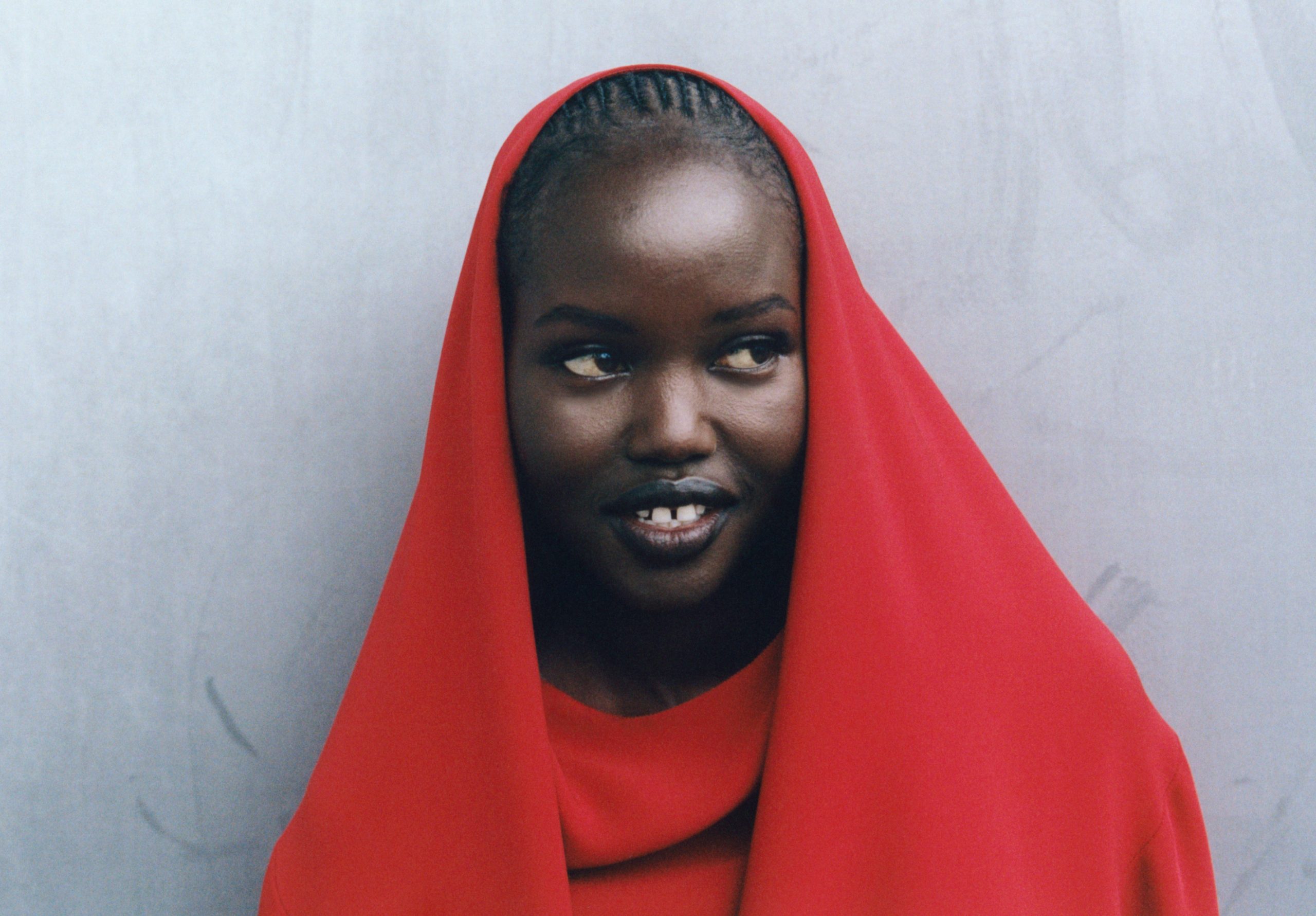
Adut Akech by Phil Engelhardt | Image courtesy of Streeters
intergity for Purple Magazine
I often find myself drawn to intimate images. Images where skin, silence, and small gestures reveal more than dramatic styling can do. I’m fascinated by the way different cultures use clothing as a language, and I love when those influences naturally find their way into my styling. This portrait of Adut (Akech) reflects something I care deeply about: creating images that feel both powerful and deeply human.
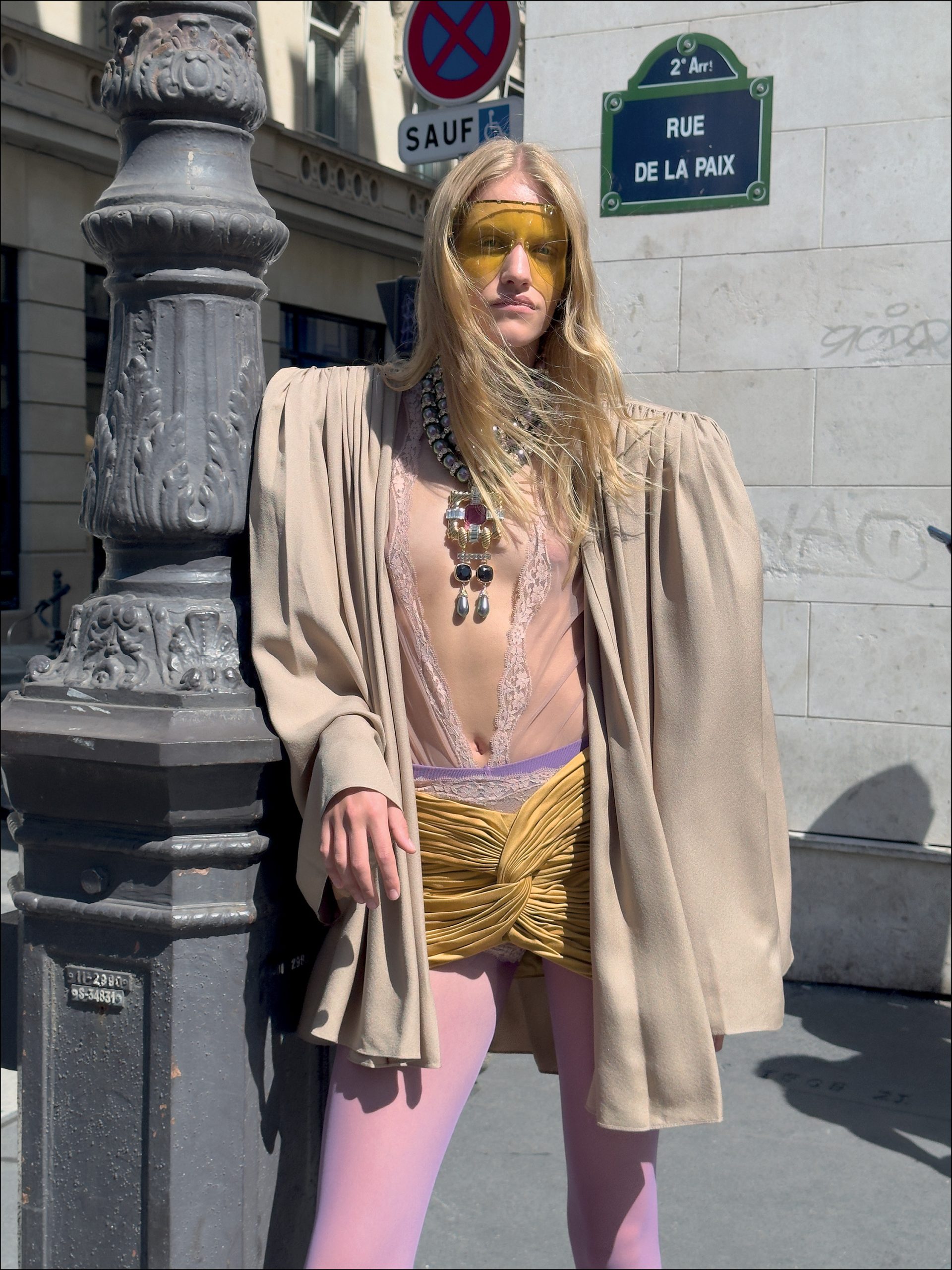
Lisa Hageman by Juergen Teller | Image courtesy of Streeters
Best of the Season for Purple Magazine
One of the things I admire most about Juergen (Teller) is his ability to make fashion feel like it belongs in the real world. Nothing ever feels too precious. Beauty, humor, and everyday life all exist in the same frame. Juergen’s pictures are built around spontaneity. Over time, working with him taught me to trust the moment.
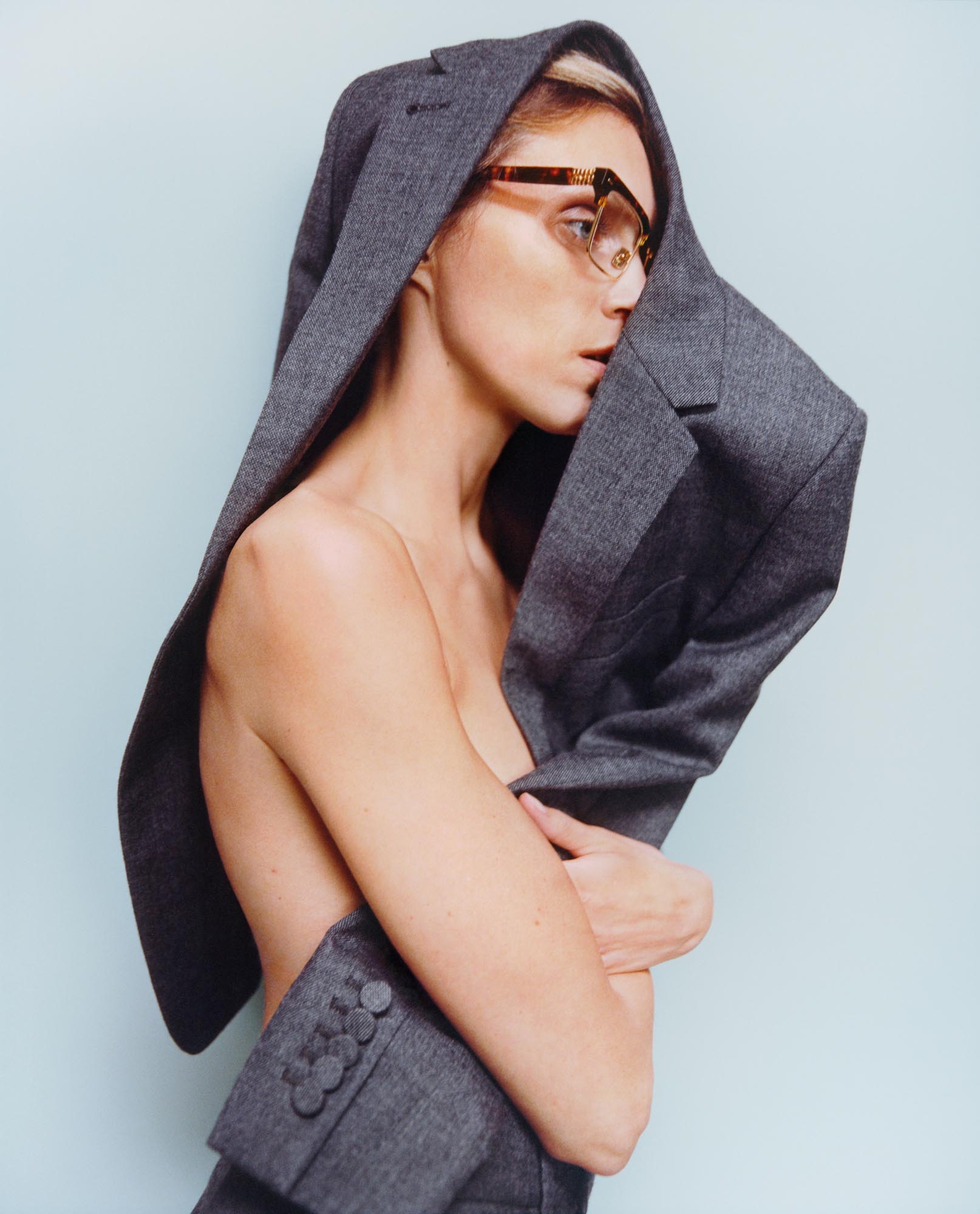
Anja Rubik by Joshua Woods | Image courtesy of Streeters
Anja Rubik for Purple Magazine
Working with Anja Rubik was a real privilege. She has an incredible ability to make every look feel completely effortless, while always bringing something unexpected to the image. Watching Anja working on set reminded me how much a great model can transform an image. This shoot probably says the most about the way I think about styling and attitude.