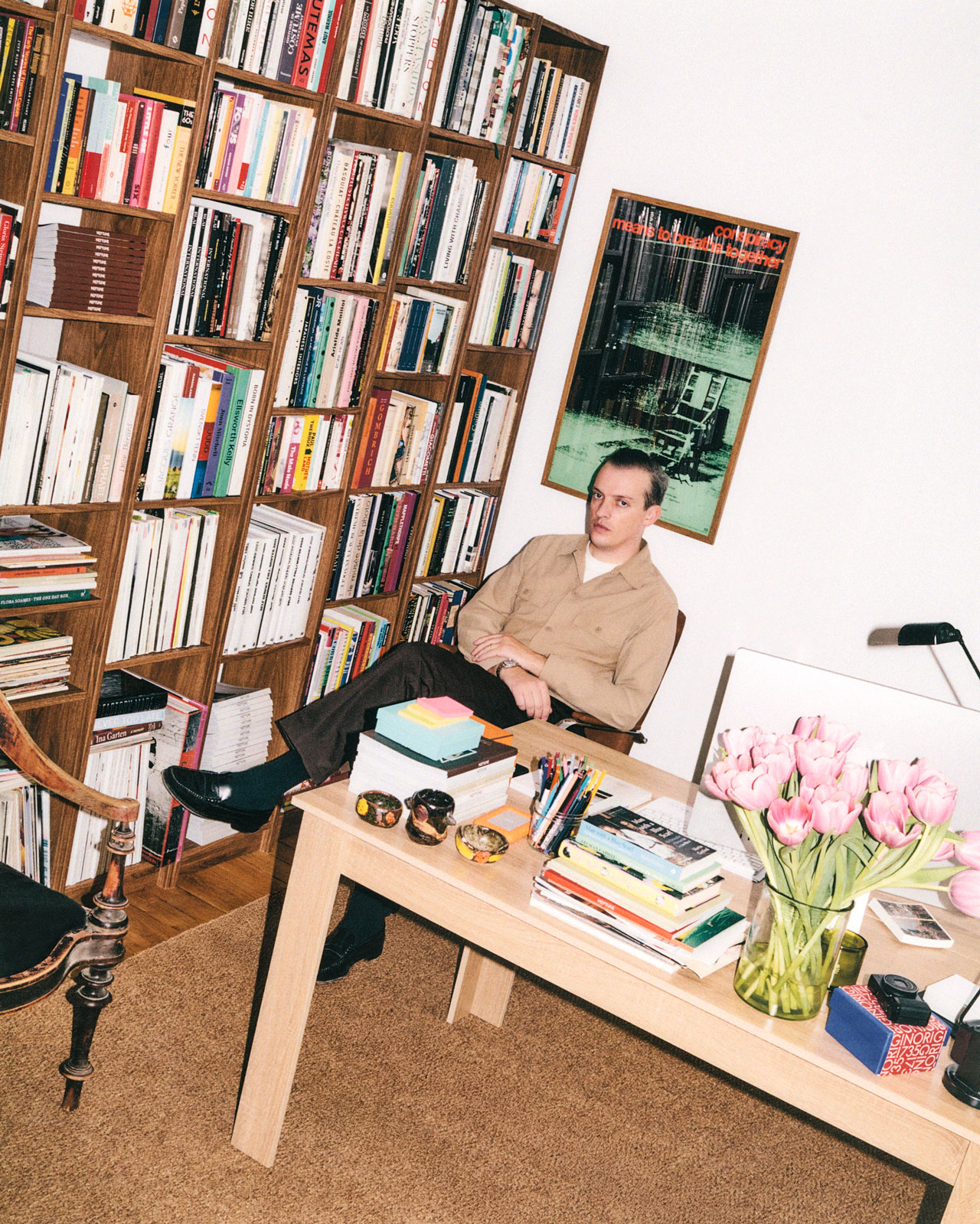
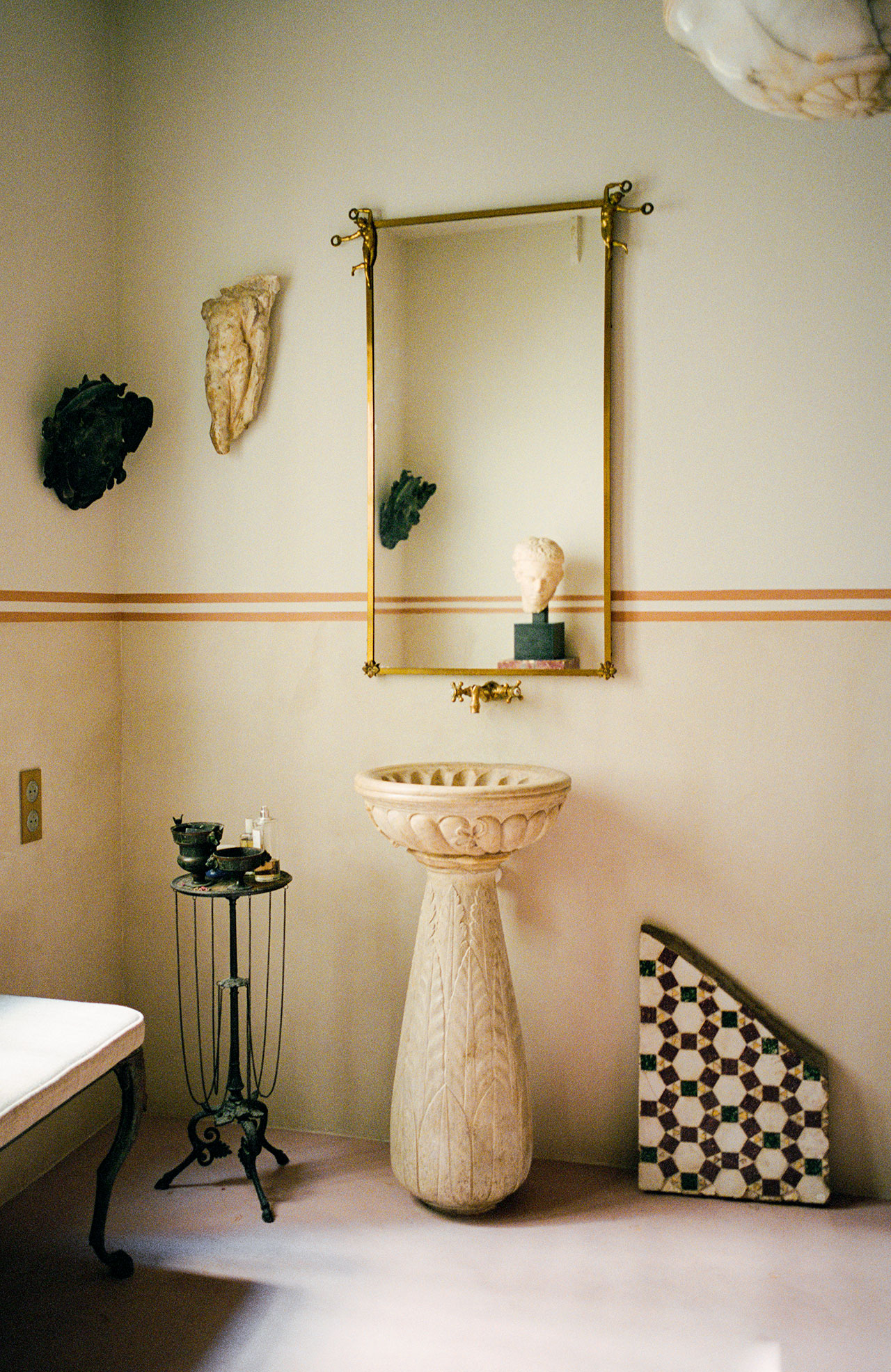
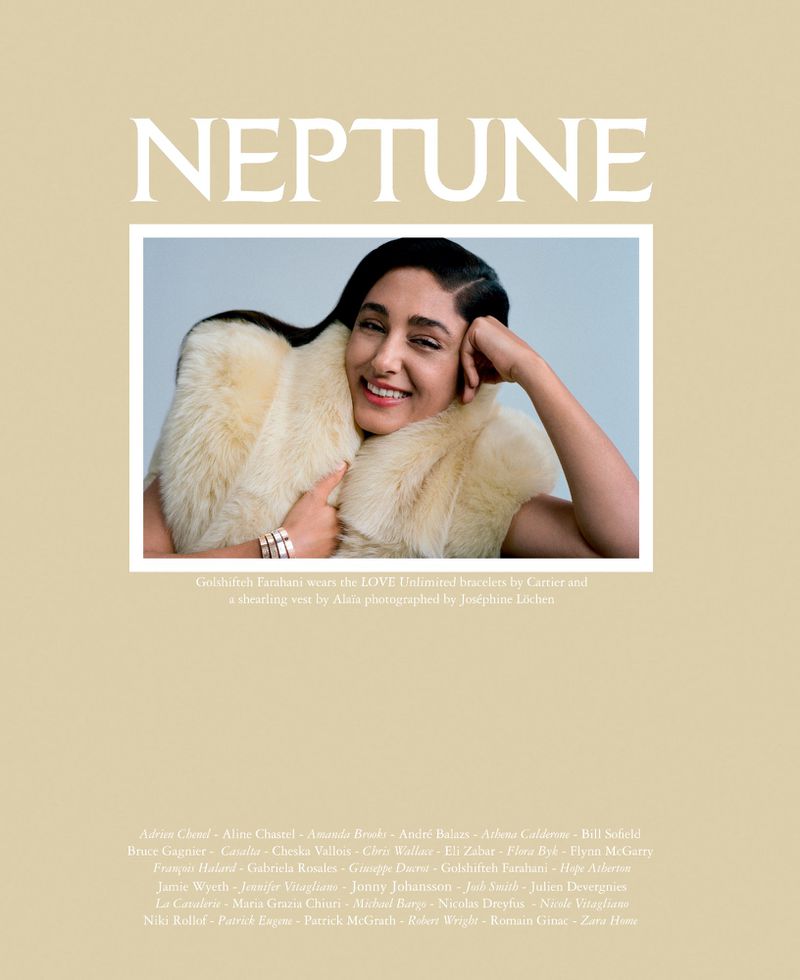
Paris-based publisher Daytona Williams has built a world where fashion, interiors, and design meet through the pages of Neptune Papers. Originally from Lochgilphead, Scotland, his path to founding the magazine moved through several corners of the fashion industry. Williams initially pursued fashion design before stepping away from school and assisting across a range of creative roles, from stylists to set designers, gaining a broad understanding of fashion’s visual language. He later became head of women’s luxury buying for a Parisian department store, an experience that sharpened his eye for craftsmanship and design. Yet, it was interiors and editorial storytelling that ultimately held his attention. In 2021, Williams founded Neptune Papers, naming the publication after his dog Neptune, whom he rescued from a shelter. The magazine has since released nine issues, opening the doors to notable homes and featuring the likes of Fendi’s Maria Grazia Chiuri, Acne Studios’ founder Jonny Johansson, Lanvin’s creative director Peter Copping, actress Julianne Moore, and Dior Maison’s artistic director Cordelia de Castellane. The publication has also explored design lore, including the origins of Hermès’ iconic orange boxes and the story behind the house’s unmistakable signature hue. Reflecting on the magazine’s beginnings, Williams says, “There was no one really approaching historical design and elevated interiors in a fresh, new, and modern way while also putting a strong emphasis on writing.” Models.com spoke with Williams about the meaning of home, the inspirations behind Neptune Papers, and who he thinks is one to watch.
You began your career working alongside set designers, stylists, and casting directors before moving into luxury buying. In what capacity did you collaborate with them, and what did observing those creative processes teach you about visual storytelling?
I began my career assisting some of the industry’s leading stylists and creatives on both editorial and commercial work, which allowed me to observe the editing and decision-making processes that ultimately set their work apart. The key takeaway from my years assisting is that nothing is more valuable than a strong point of view, regardless of how on-trend it may be, and having the ability to understand what goes into creating a strong photograph. In the visual-led culture we live in, and given the amount of images our brains are fed daily, it is important to create content that leaves an impression and presents its subject in a new and arresting way. The first shoot I ever assisted on was a project by Karl Lagerfeld for the centennial of Chanel’s first boutique. Watching him manage a crew of 40-odd people while handling the styling, storytelling, and overall creative direction was the ultimate lesson in decision-making.
Were interiors always something you were drawn to, or did that appreciation evolve naturally through your experience in fashion and creative environments?
I have always been attracted to interiors, initially through set design in film. Whether it be Satine’s elephant boudoir in Moulin Rouge or Elizabeth Taylor’s bathhouse in Cleopatra, cinema was my first window into the idea that an interior can be an extension of a character or personality. I was initially quite shy about leaning into my interest in interior design because of my lack of knowledge about the specific provenance or details of certain pieces. Whereas in fashion it is easier to pinpoint a look down to a specific season, the lack of clear origins for certain design elements made me feel like I was not in the know or had not researched enough. After five years of doing Neptune, I realized that it is really not that important, and that most people know one specific movement, but no one knows everything.
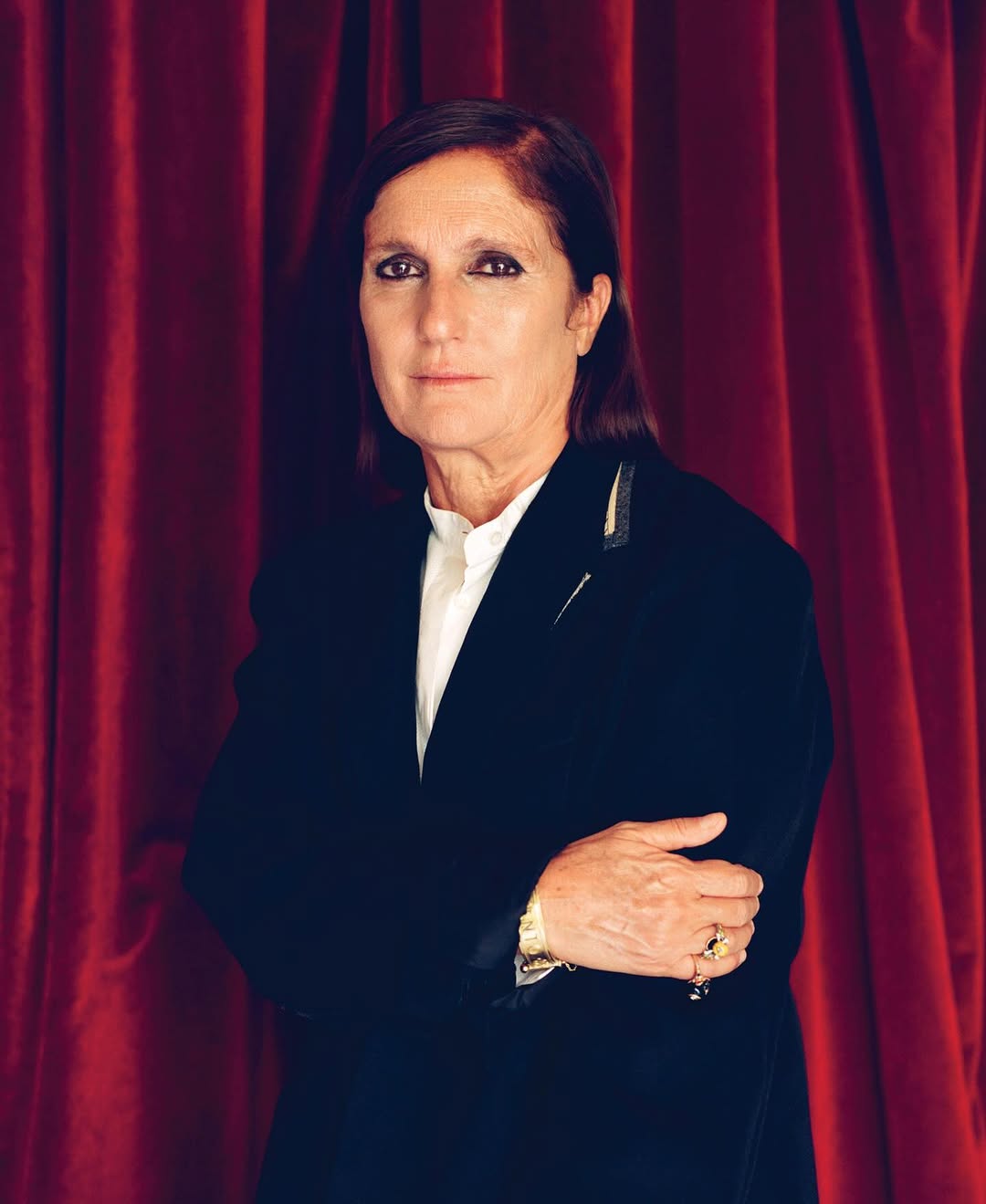
Maria Grazia Chiuri inside Teatro della Cometa by Lucia Bell-Epstein | Image courtesy of VSJ Consulting
What was missing from the interior media landscape that you felt compelled to create through Neptune Papers?
When I began the magazine, I felt there were two different approaches to interior media. The first was the classic AD-style imagery, where everything feels very symmetric and staged, with flat lighting and the blanket perfectly draped over the arm of the chair. The second was a very lo-fi story of a grungy interior in a run-down Berlin loft owned by an emerging curator no one has ever heard of. There was no one really approaching historical design and elevated interiors in a fresh, new, and modern way while also putting a strong emphasis on writing. The main feedback I get when people see the magazine is that it feels very different from everything else out there, and that is the best compliment.
Where do you find inspiration?
My eyes and ears are always open to what could make a great story, and I love to feature people who have a strong story to tell. I often joke that most of my subjects are 60+, but I think that people who have lived a full and rich life have much more interesting stories to listen to. You have to always be “on” and notice details and names in the larger stories out there. My phone is full of screenshots and notes of things I read in the newspaper or that artists’ friends mention.
What are some of your most memorable moments from past issues?
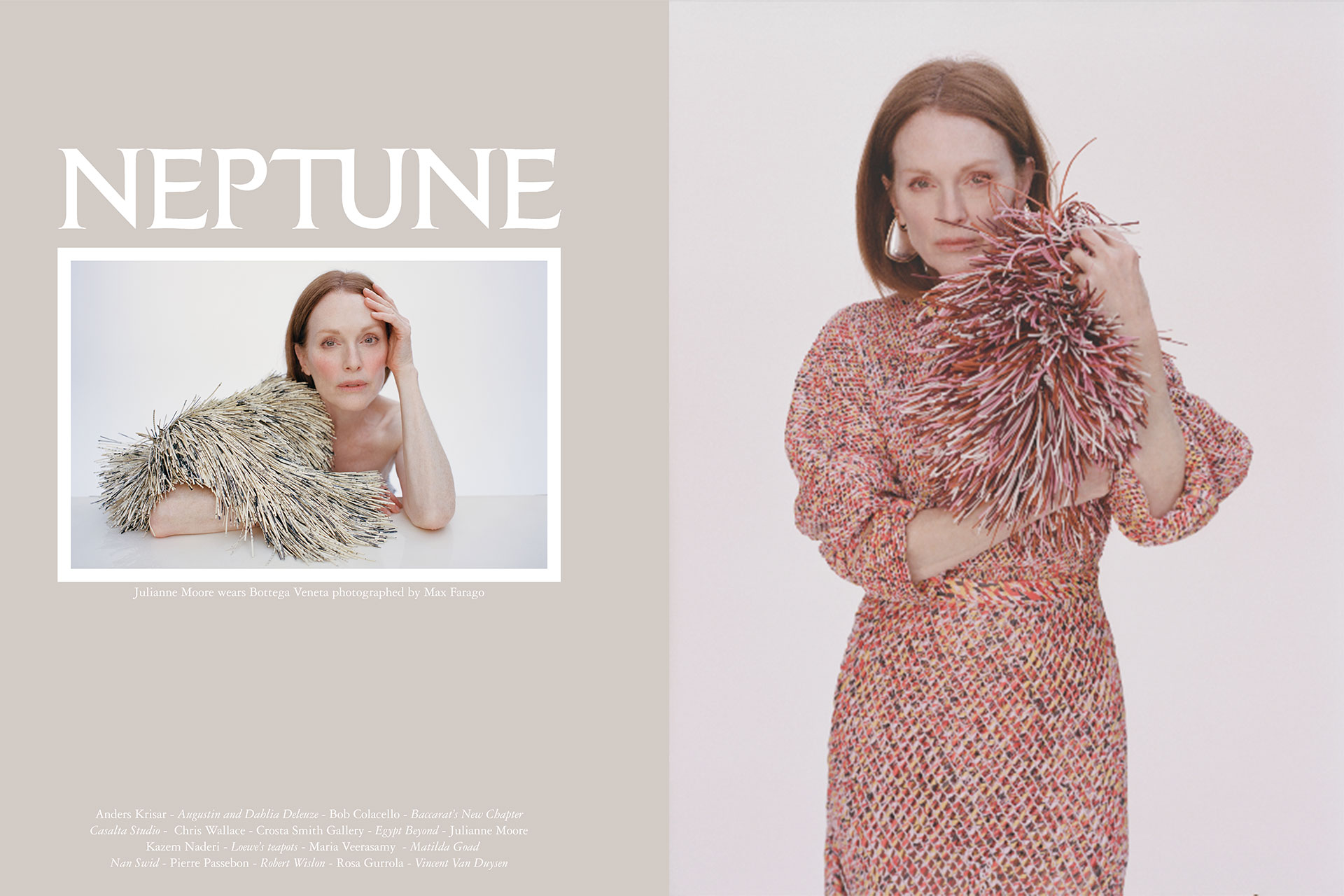
1. The cover of Neptune Papers issue eight, featuring actress Julianne Moore, photographed by Max Farago and styled by Thistle Brown. Julianne had ordered the magazine online, and after a mutual friend shared how much she loved it, I reached out to ask if she would be on the cover, which she kindly accepted. I love the images because it not only represents an important aesthetic moment, but also a real shift in recognition for the magazine. We partnered with Bottega Veneta on this story to highlight Matthieu Blazy’s final collection for the Milanese house, and I love how timeless and clean the story feels.
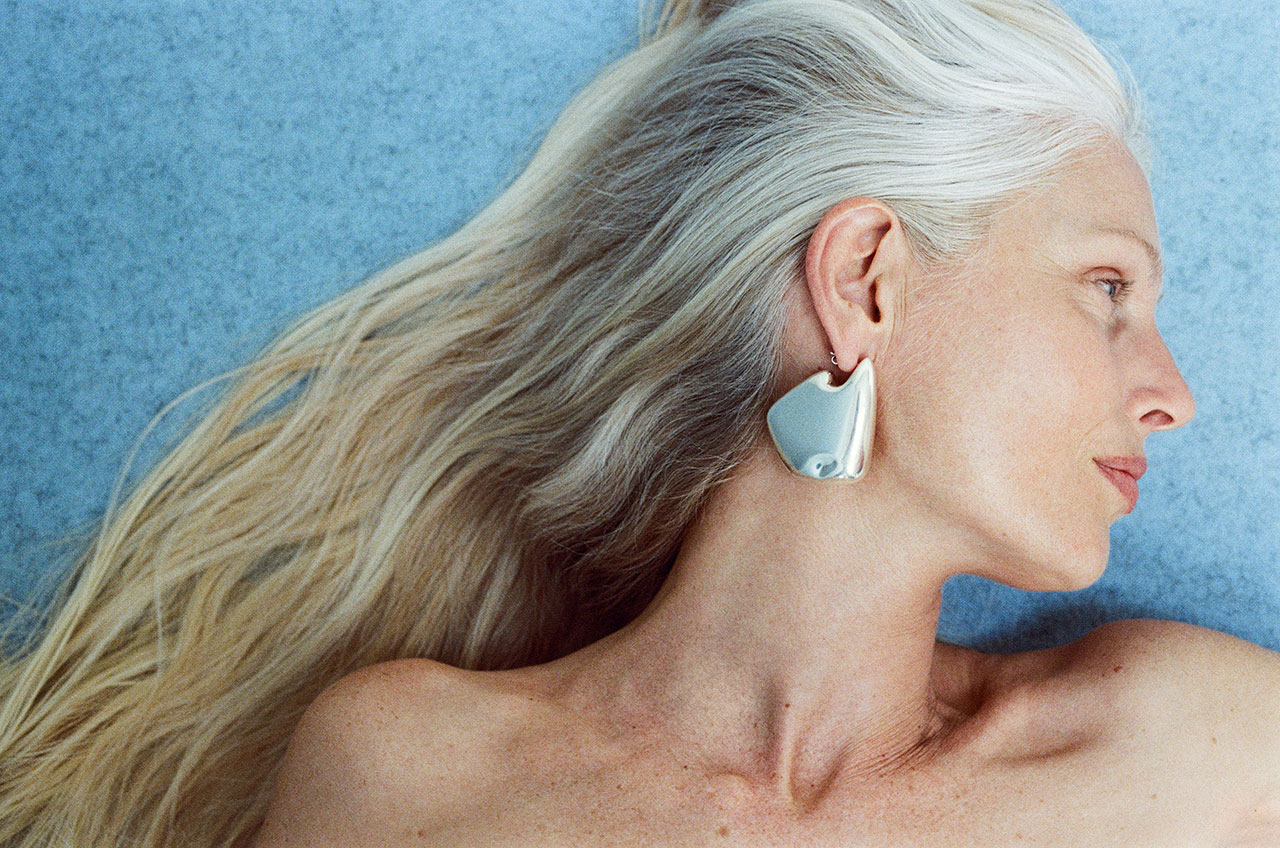
2. In another project we did with Bottega Veneta for issue six of Neptune Papers, we photographed Scottish supermodel Kirsty Hume in Los Angeles with photographer Gillian Garcia and stylist Sarah de Mavaleix. I particularly love the simplicity of the shoot and the way it highlights Kirsty’s natural beauty: the light lines on her face, the white streaks in her hair, the shape of her neck, and how the blue background accentuates her eyes. I love the idea of women looking like themselves at any age.
3. For one of our latest covers, we ventured to a small remote island off the coast of Maine with photographer Jesper Lund and writer Sarah Medford to photograph the lighthouse owned by architect and interior designer Bill Sofield. As Tom Ford’s interior designer for the past forty years, Sofield has worked on countless projects, ranging from nineties Gucci flagships to the ongoing redesign of Manhattan’s Flatiron Building. Despite the glamour of it all, Sofield’s values remain simple, saying, “For me, the idea of luxury is really telling people it’s okay to enjoy things, whatever they are. It doesn’t have to have status.” This state of mind is very much aligned with what I am trying to do with Neptune.
How has your personal relationship to space and “home” evolved since creating the magazine?
I have become much more confident in the choices I make and in the origin, or lack of origin, of the pieces I purchase. I was always reluctant to buy, for example, an unsigned item at auction in case it was not the right year or edition, and I couldn’t care less about that now. I think if you love something, embrace it. No one changed the world by seeking everyone else’s approval.
“Nothing is cooler to me than a strong point of view, and when you are true to your vision, it can last forever.”
You often highlight spaces that feel timeless and authentic rather than trend-driven. What does “timelessness” mean to you, and how do you identify it when you see it?
Nothing is cooler to me than a strong point of view, and when you are true to your vision, it can last forever. So much interior design media is filled with microtrends and Instagram-friendly content, and I tend to shy away from that approach because I think it lacks long-term relevance. I like the idea that someone can pick up our second issue, our sixth issue, or our latest, and they all feel modern and relevant.
What kind of dialogue do you hope Neptune Papers sparks between fashion, art, and interiors?
I 100% believe that interiors are the new fashion, and that as consumer behavior shifts, from fashion’s rising retail prices to its release rhythm, people are turning to interior design and their personal environment to spend their money. I think a lot of brands are realizing this, hence the major influx of fashion players during this past year’s edition of Salone del Mobile, and that there is a real market to tap for the right operator.
Who’s one to watch?
New York-based photographer Cobey Arner, with whom we shot about ten stories for our latest issue. Kind, talented, and easy to work with, Cobey’s photos are modern yet timeless and really represent a sense of coolness that I think a lot of people are trying hard to create.