Behind the Image is an ongoing MODELS.com series taking a more personal look at both established and emerging creative talent.
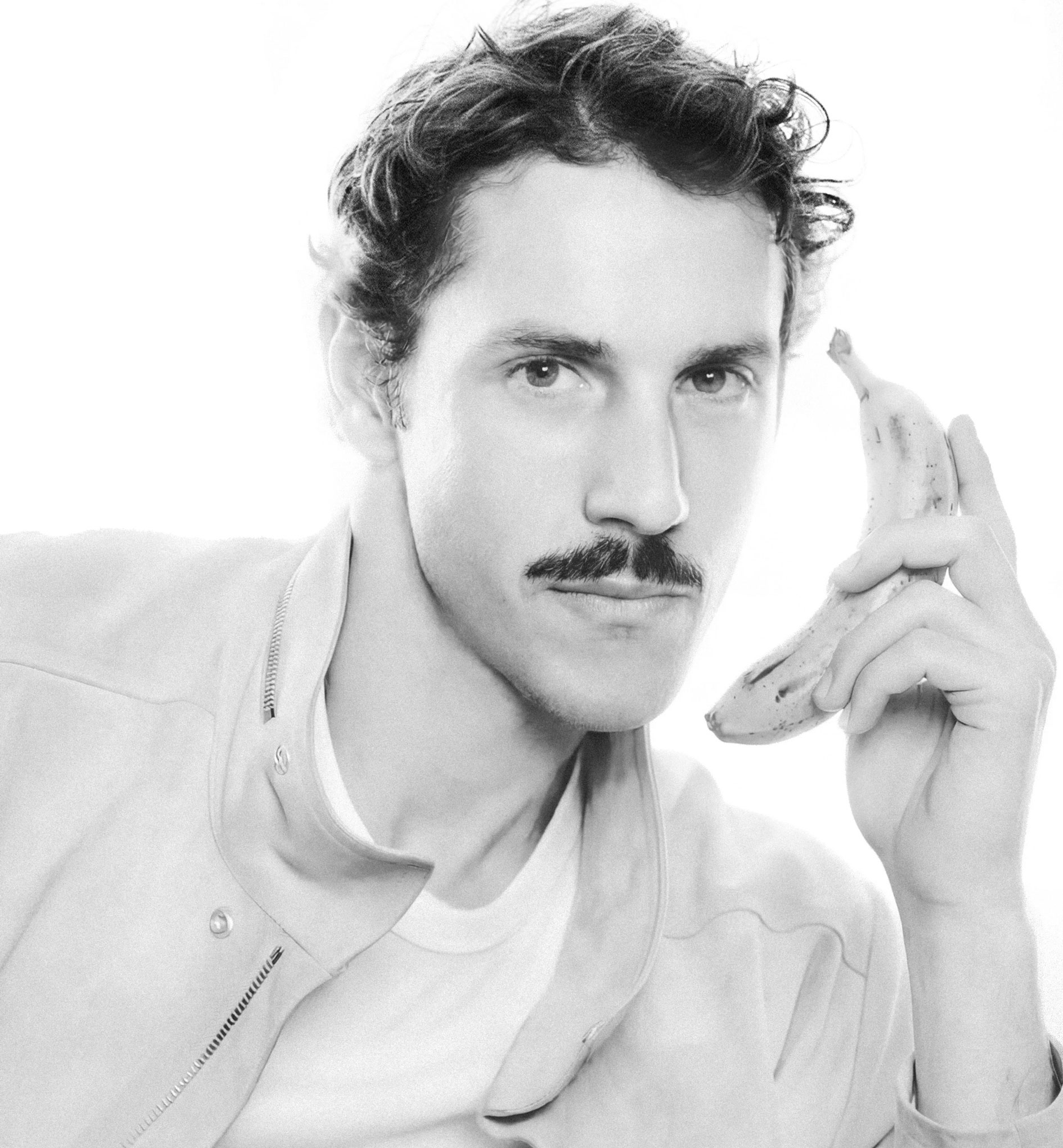
Valentin Herfray
Valentin Herfray, Photographer
Hometown: France
Based: Paris, France
Representation: MA+ Group
What sparked your interest in photography, and was there a defining moment that made you pursue it professionally?
At first, photography was not my primary drive. I was more interested in image-making in a broader sense. I was studying graphic arts when Demna asked me to shoot a campaign for Balenciaga. At the time, I was shooting on my iPhone, naively misusing the panorama function. It was less about the medium itself and more about using technology as a playground to create something new.
Your work has a playful, distorted, and imaginative quality. You initially became known for shooting with a fisheye lens and your iPhone. How would you describe your work? What’s your trademark?
Yes, I began shooting with an iPhone or GoPro in a very practical way, not as a statement, but because it gave me freedom. When you are not constrained by heavy equipment or technical perfection, instinct takes over. You move faster, you experiment more, and you trust your eye. I have since moved toward more technical setups, but I always try to carry that same sense of freedom with me. I realized that what became my trademark was never meant to be defined by a tool. It became more of a mindset, pushing ideas into unexpected territory. I am driven by merging references from worlds that are not meant to meet. Above all, I am driven by the spark to play and to make the shooting experience a space of collective joy. Most of my ideas start as jokes or playful provocations, and I want to keep taking things lightly with that purpose. For me, play is not the opposite of seriousness. I play very seriously. What we do is not dramatic; it is a beautiful job, turning concepts into reality.
What non-fashion influences (art, film, literature, music, etc.) shape your creative perspective?
I was born into the era of reality TV, The Simple Life, the decline of sitcoms, the paparazzi chaos, the obsession with “fame for being famous.” Pop and music icons really shaped my visual language. It was a time when celebrities were often treated as raw material. But I also witnessed the shift, the moment when celebrities began taking control of their own narratives. In 2018, I wrote my final thesis about one of my childhood idols, Céline Dion, focusing on the rise of icons, fan creation, and fandom. A year later, at 22, I was photographing her. It was a full-circle moment that showed me there was real space to play within celebrity culture, not on them, but with them. Lately, I have been diving deep into Andy Warhol, which has made me reflect more on these influences. He was right about almost everything, except that the 15 minutes of fame turned into 15 seconds on Instagram Reels. His vision of pop art feels more accurate than ever. Images circulate endlessly, go viral, disappear, resurface, and fade again. That logic really guides how I think about images today. Letting different parts of culture speak to one another. Treating advertising as a cultural object. We are selling products, yes, but that act of selling is also a form of art in a way. I am fascinated by how influencers have become platforms for advertising. Public figures are no longer passive subjects of exposure. They have learned to control the spotlight. We no longer know who the consumer is and who the medium is; authenticity feels more performed than ever. Where does the person end, and where does the product begin?
You have also been experimenting with AI with your Instagram account @air.fray. Given the mixed feelings surrounding AI in photography, how do you approach using it as a tool that complements an image rather than replaces creativity?
For me, AI is more than just a tool; it is a complete revolution. But great power implies great responsibility. We are entering a moment where facts, narratives, references, and aesthetics collapse into one ultra-postmodern space. Everything blends together, history, styles, high and low. In a way, it feels very pop art, very Warhol in its essence, by and for the people. Anyone can create now, without technical knowledge, so I would say, why not? There is something exciting and democratic about that shift. But there is one very clear line for me: not using it with models.
The use of celebrities or models on social media right now, even in meme form, makes me question things. It raises the issue of image ownership and what we do with people’s bodies, whether they are famous or not. Consent is the central question. Yes, we can generate endless variations of faces and poses that look more real than real, but does that make it right to use someone’s identity without their agreement? We have to understand the difference between AI and photography. Not to turn AI into a clone of photography, but to allow it to become a new species. Painting did not disappear when photography emerged, and the same happened with analog and digital. Each medium found its own language. For me, the line is simple: fashion photography is relational. Models, public figures, and creatives are not raw material. A shoot is a shared space, a moment of collaboration, and again, a space to play. Every vision on set shapes the final image. Models bring their own presence, vision, and energy, just as actors do in film. That soul should never be replaced.
At the same time, AI feels like new territory for inventing new visuals. I created the platform @air.fray as a space to prototype worlds, imagine scenarios, and play with references. Not to replace photography, but to expand the playground around it. To recreate, remix, and merge things in new ways, to test ideas quickly and collectively, and even rethink production in a lighter, less wasteful way, without removing human vision from the process. That remains the core of our industry.
Do you ever imagine full stories behind your images, or do you prefer to let the viewer create their own interpretations?
It always starts with a concept. A theme, a tool, a display. I love universal references, whether it is mass culture, internet culture, advertising, or luxury codes. I am drawn to things we all share, to archetypes. I want my images to be readable at first glance, but also layered. The more you look, the more you catch the meaning, the private jokes, the irony. Maybe. Maybe not.
What do you love most about what you do?
I love creative splits, moving between worlds, genres, energies, and clients’ visions. Never staying in one box, always reinventing, and sometimes simply adapting. And, of course, meeting new people constantly is very refreshing to me.
What’s something outside of your work that you would like people to know about you?
A big shift for me came through my uncle, Sylvain Lhuillier, who is an incredible healer and medium. He really changed the way I look at life and how I rethink reality itself. Through him, and later through working with Amazonian shamans and hypnotherapists, I started questioning where our beliefs even come from. I realized it does not start with you, but you can direct your mindset. It is very Céline Dion coded to say, but I truly believe in our ability to dream. My work exists because at some point I gave myself permission to imagine it, and then to actually try. Even to be a little delusional sometimes. I know everyone starts from different circumstances, but wherever you begin, there is always a moment when you have to take your chance. What I understood is that manifesting is not some mystical concept. It is more about alignment, how your brain, your beliefs, and your actions line up. It is about the narrative you carry inside, whether it supports you or limits you. I started realizing that what defines you did not actually begin with you. You are continuing a story, something carried from family, childhood, and ancestors. But the good news is that you are not stuck in it. You can redirect it, rewrite parts of it, or choose your dream scenario instead of the one you were given. To me, that is creativity at a deeper level, another way to play.
What are some of the biggest challenges you’ve faced professionally, and how have they shaped your growth?
At some point, I caught myself thinking too much about how ideas would land, what people might say, or how I would be seen. You start putting pressure on yourself, driven by judgment or overthinking. That is the moment when creation stops being instinctive and starts becoming strategic in a bad way. I learned to separate the moment of creation from the moment of reception. That shift really helped me stay honest and spontaneous in my work.
What have you watched, heard, or read lately that has inspired you?
I rewatched a few Jim Carrey movies and documentaries about his work process. It is inspiring to see how he approaches acting. He did not just become an actor; he built his own formula, his own genre, his own method. Comedy is one of the hardest things to get right. It is all about timing, rhythm, and balance. One thing he said really stayed with me: “I believe that I am just a character I play.” It feels like a creative manifesto to me.
Who do you think is one to watch?
I’m really excited to see what my friend Lyas continues to build. He has created a democratic space that feels separate from anything that existed before. We were missing that straightforward energy, something so free and honest. It is refreshing to see someone who questions things. It feels like the power shift and the kick we needed in what has become such a politically correct industry. My friend imranepresents is also a must-see in the metaverse, another kind of counterpower to me. It is not about destroying the system; it is about redistributing power and voices. I am really optimistic about this new wave!
Selected Work
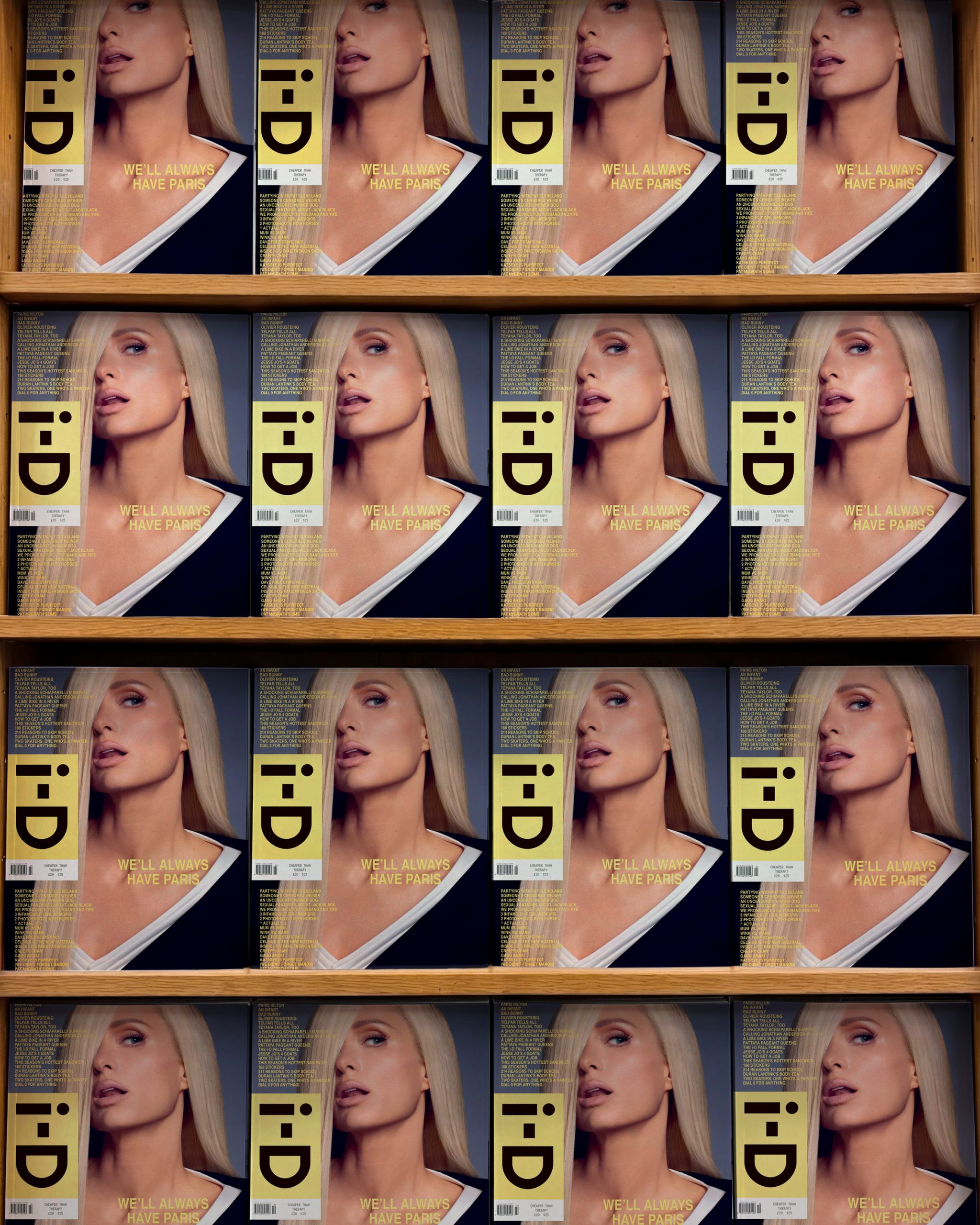
Paris Hilton | Image courtesy of Valentin Herfray
i-D Magazine Fall/Winter 2025 Covers
As famous as the city itself, Paris (Hilton.) It was such an honor to work with a true pop culture monument. She built the celebrity world we now live in, whether you love it or not.
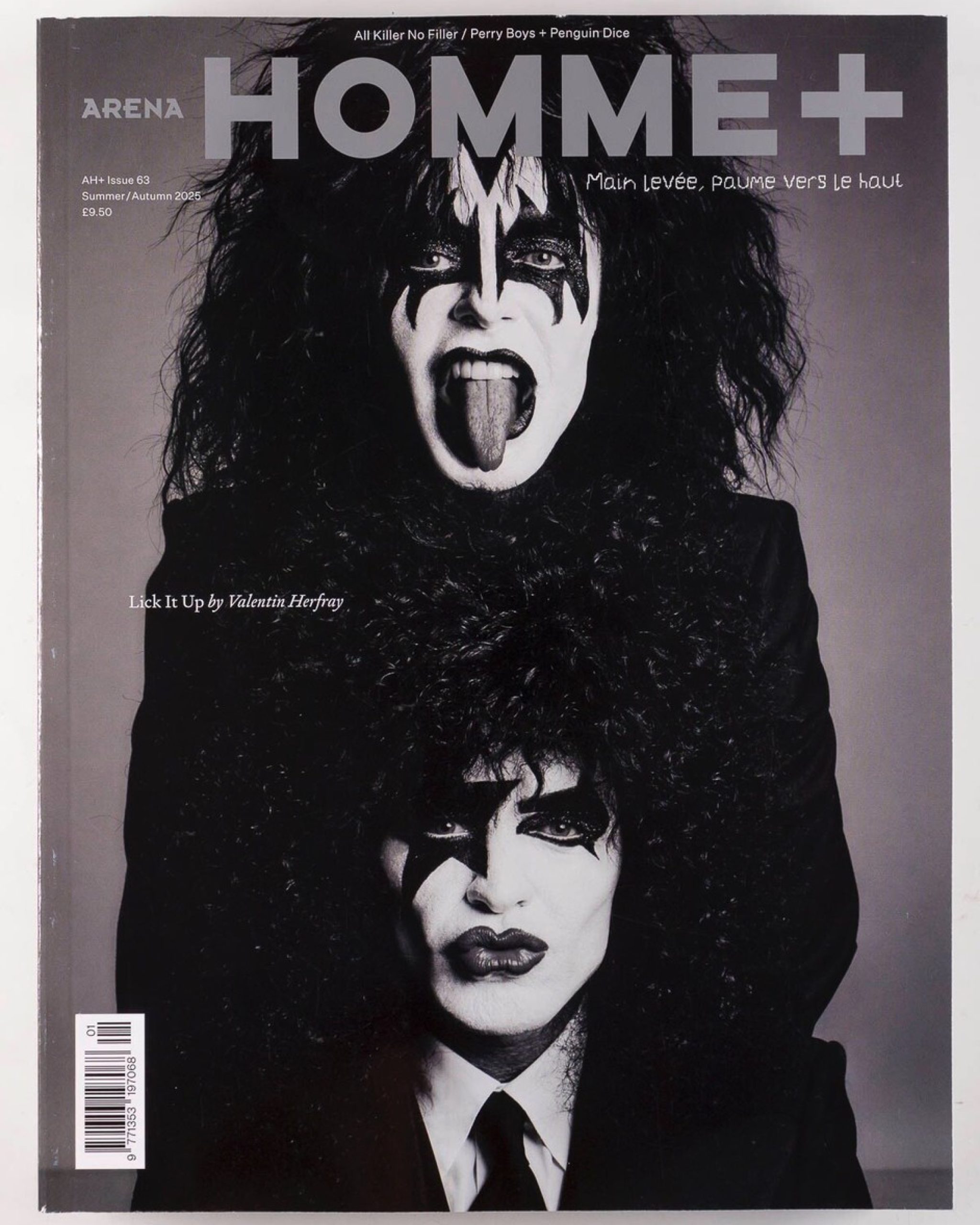
Dan & Dean Caten | Image courtesy of Valentin Herfray
Arena Homme + #63 Summer/Autumn 2025 Covers
It was one of the most fun shoots to create. Dean and Dan (Caten) were just being themselves, so ready to perform. It felt like we were all theater kids doing a musical.
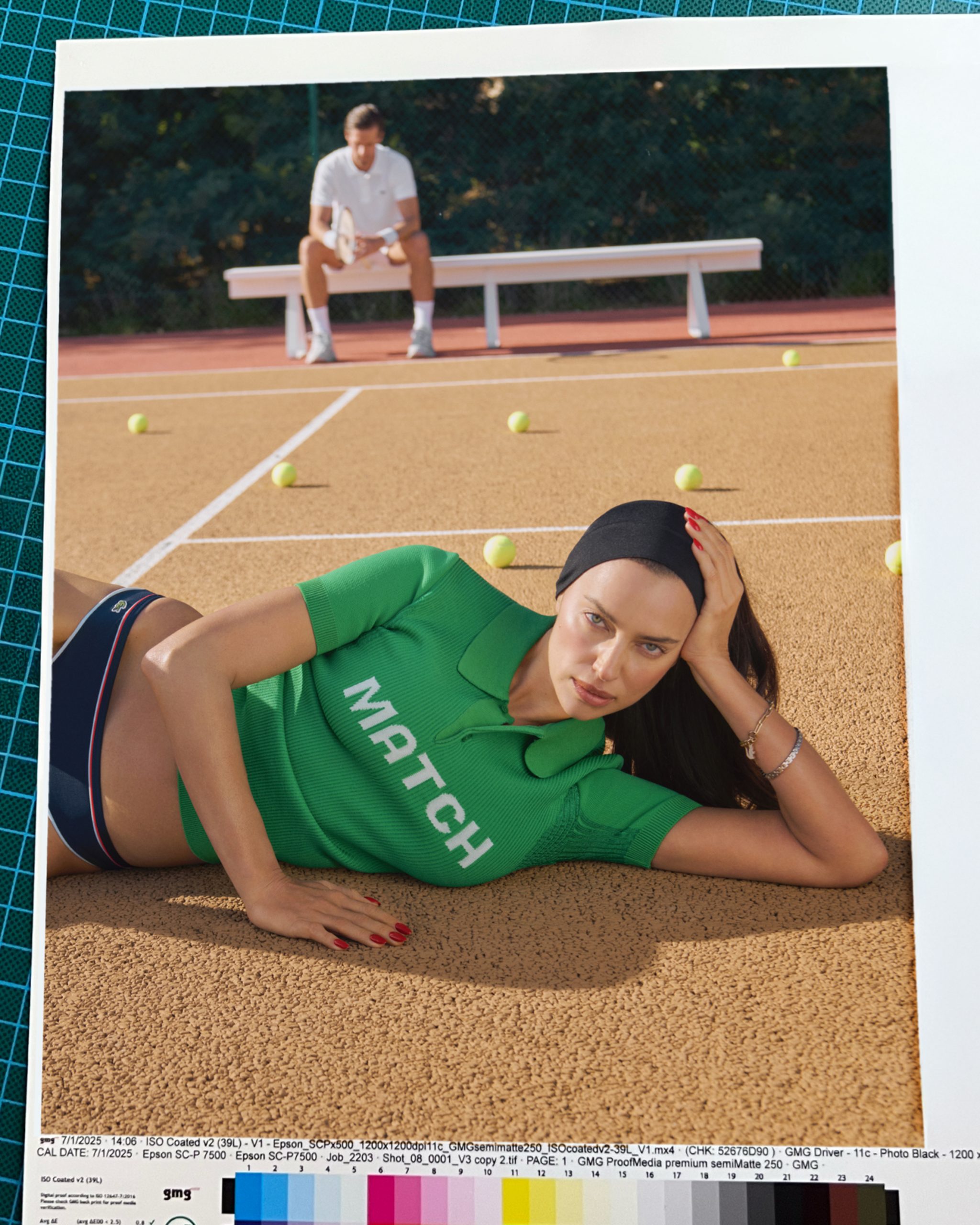
Irina Shayk | Image courtesy of Valentin Herfray
Pop Magazine #52 Spring/Summer 2025 Covers
Make it Saint Tropez summer vibes while shooting in a freezing January. Irina (Shayk) never disappoints. She actually taught me so much about presence, about playing a character, and pushing it further.
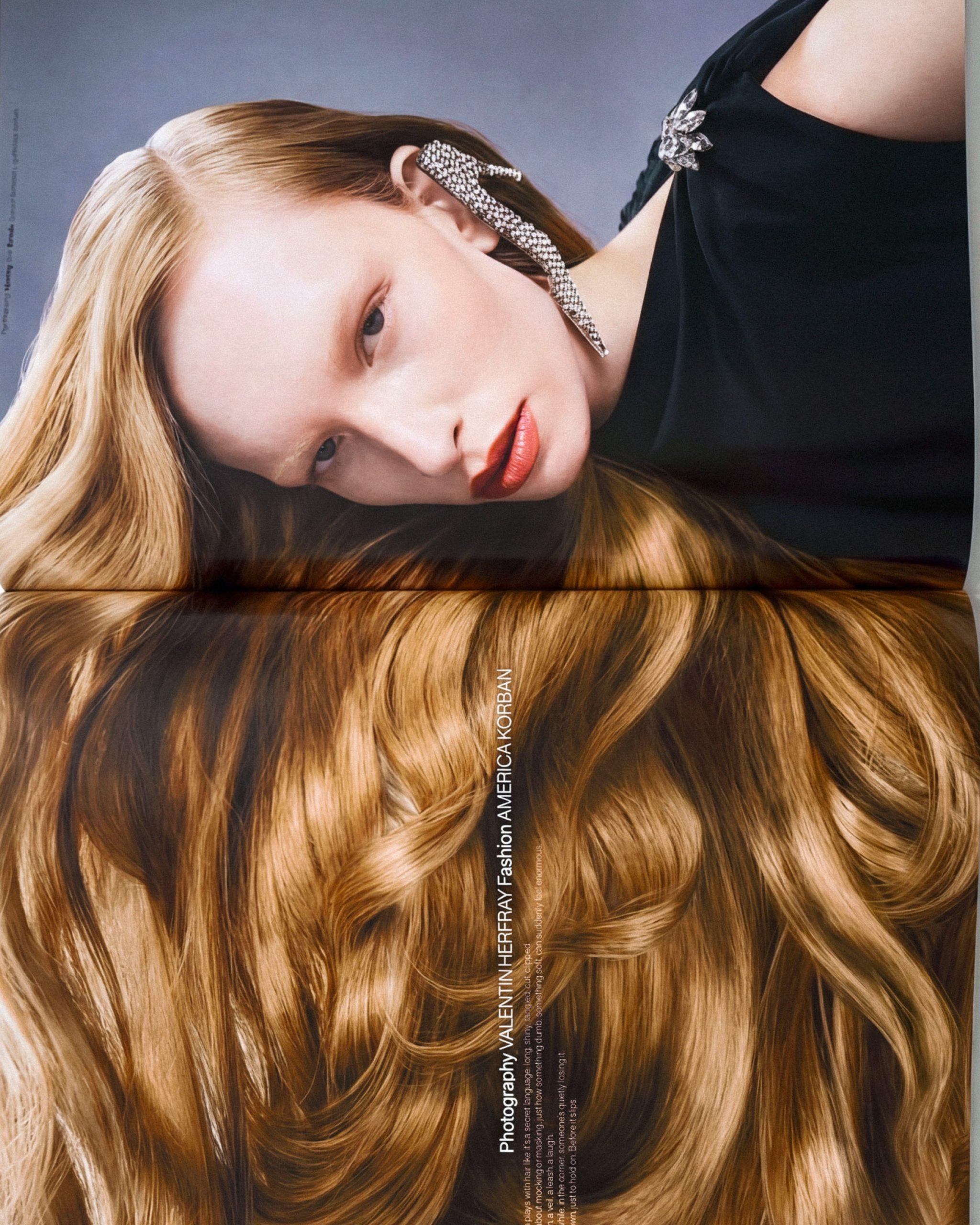
Leanne De Haan | Image courtesy of Valentin Herfray
Novembre Magazine #17 2025 Issue
Because she’s worth it ;)
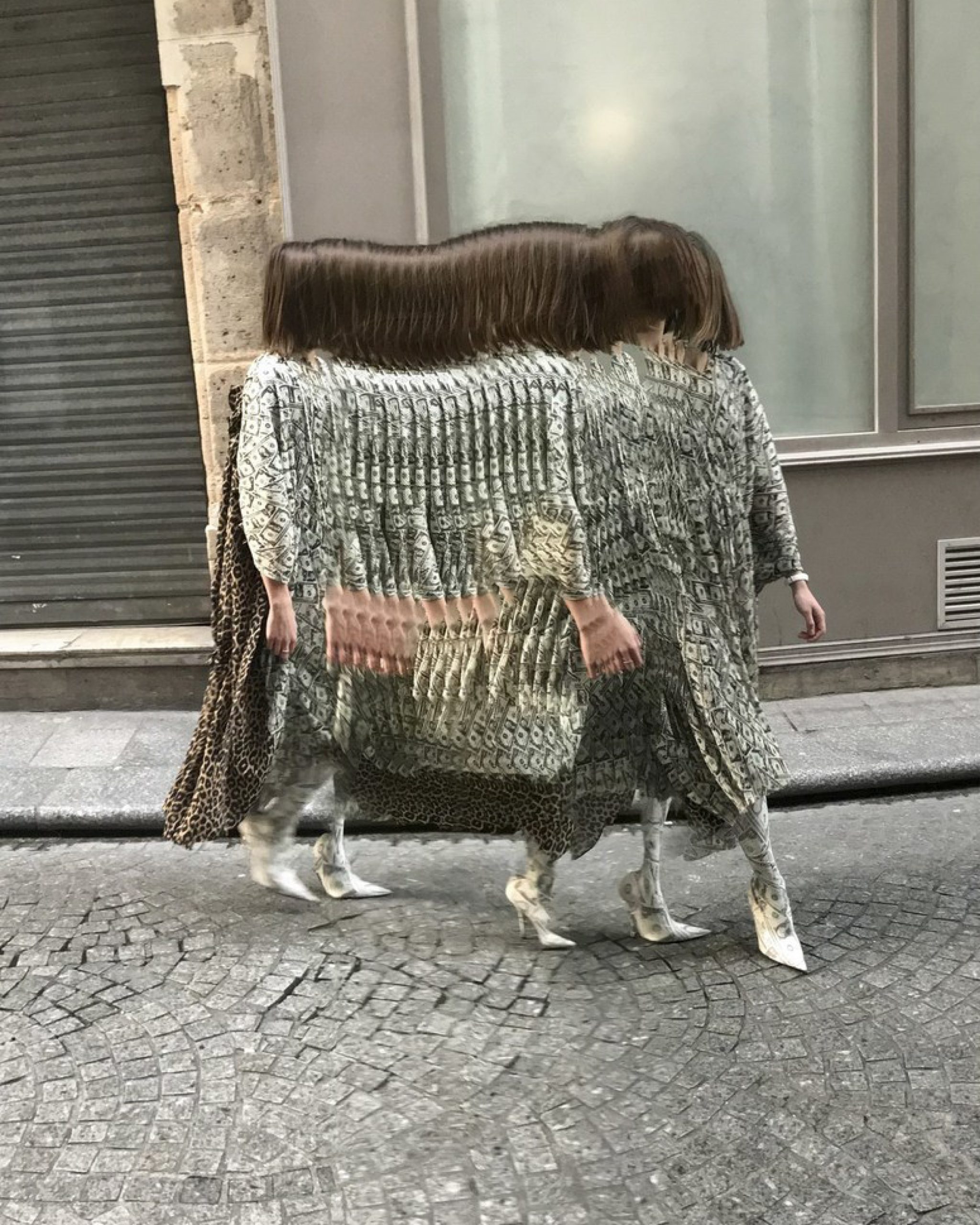
Image courtesy of Valentin Herfray
Balenciaga S/S 2018
A simple iPhone panorama hack, but a life-changing moment. I’ll bless Demna forever for giving me that chance.