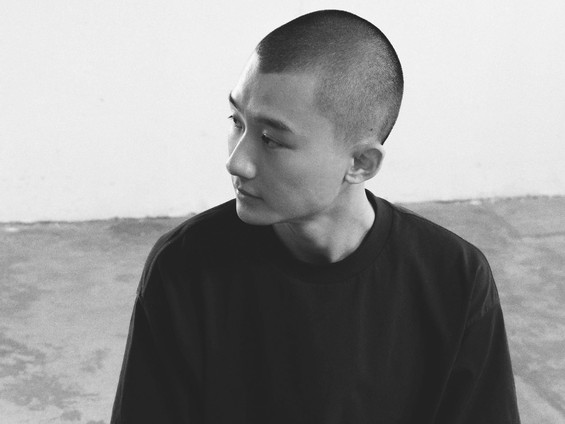
Zane Li Wins The 2026 CFDA/Vogue Fashion Fund Zane Li, the Chongqing-born, New York-based designer behind the label Lii, has taken home his third award of the year, winning the 2026 CFDA/Vogue…

How Jaša Müller Makes Portraits Feel Like Paintings
Behind the Image is an ongoing MODELS.com series taking a more personal look at both established and emerging creative talent. Jaša Müller, Photographer Hometown: Kočevje, Slovenia Based In: Paris, France What sparked…

A New Season of Angels at the 2026 Victoria’s Secret Fashion Show
Bella Hadid (Photo by Taylor Hill/FilmMagic) Victoria’s Secret went back to the City of Angels for the first time since 2007, for its second runway show since the brand’s revival under chief…

Veronica Leoni Exits Calvin Klein, Seán McGirr Is Out at Alexander McQueen, and more news you missed
Veronica Leoni Exits Calvin Klein Calvin Klein confirmed on Thursday that Veronica Leoni will part ways with the brand at the end of her current contract. She joined in May 2024 as…

Softly Does It: How Spring 2027 Turned the Skirt Into a Statement of Freedom
The clothing on display seemed to offer a sartorial armor to brave the world. That has always been the goal of a good season: to meet the moment women find themselves in.

The New Boys of S/S 27 Womenswear
Photo by Francois Durand/WireImage | Courtesy of Getty Images As the boundaries between menswear and womenswear continue to blur, the Spring/Summer 2027 season made one thing clear: a great look isn’t defined…

Anthony Vaccarello Exits Saint Laurent, LVMH & Kering Raise the Minimum Age for Models, and more news you missed
Anthony Vaccarello Exits Saint Laurent After a Decade After a decade at the helm, Anthony Vaccarello has left Saint Laurent. In retrospect, his gilded S/S 27 collection was a swan song, from…

How Fashion’s Creatives Are Finding Independence
For decades, editorial prestige lived inside gatekept systems governed by traditional media institutions but now new voices are emerging in refreshing and innovative ways.
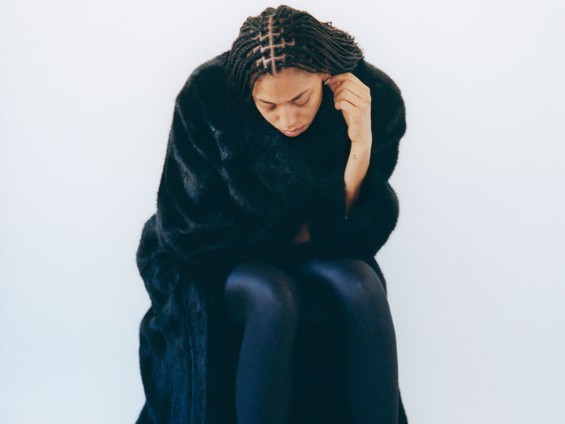
Laëtitia Gimenez Adam Doesn’t Believe in a Styling Formula
Behind the Image is an ongoing MODELS.com series taking a more personal look at both established and emerging creative talent. Laëtitia Gimenez Adam, Fashion Director + Stylist Hometown: France (born in N’Djamena,…

Rachel Ojuromi Walked Her Way Through Lagos Into Chanel
Photo Isidore Montag | Courtesy of Launchmetrics Spotlight To be frank, it started with Meji Meji. A mutual acquaintance, who happened to be a designer, was raving about her friend Rachel Ojuromi,…