Behind the Image is an ongoing MODELS.com series taking a more personal look at both established and emerging creative talent.
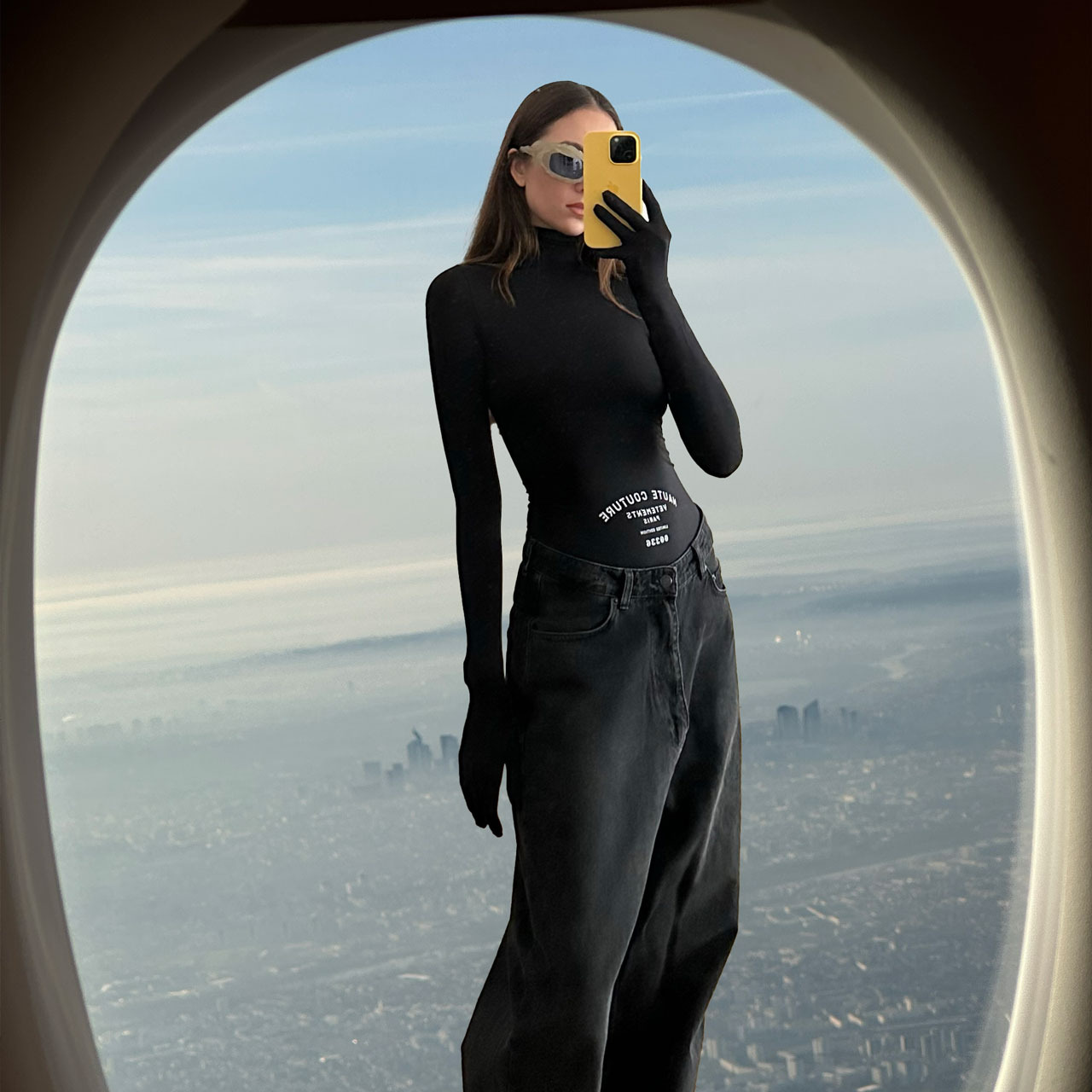
Agata Serge | Image courtesy of Agata Serge
Agata Serge, Photographer
Hometown: Lodz, Poland
Based In: New York, New York
How did you first discover your passion for photography, and what specifically led you into the world of fashion photography?
I always had an urge to be in a creative environment. Both of my parents were very encouraging and supportive from an early age. My dad, when he was younger, was a model and traveled often to Milan. It was a short chapter in his life, but it introduced me to the fashion world very early on. I still have images of him from that time in my apartment, and I even framed one because it’s such a beautiful reminder. My mom was also incredibly talented. She used to draw “models” in different outfits for me so I could color them. Those are really my earliest memories connected to the fashion world. Both of them realized quite early that I had an interest in art, though not photography specifically, as that came much later, when I was around 22 or 23. Before that, I spent a lot of time drawing, painting, and attending all kinds of courses my parents could find for me. I think that sparked something that eventually led me to this point. I started with black-and-white portraiture, which was probably connected to my love for pencil drawing, and fashion came later, when I decided I wanted to tell stories and create a series of images. That’s when I truly fell in love with it, and that love has stayed with me ever since. I think it’s even stronger now than ever.
How would you describe your work? What’s your trademark?
This is still the hardest question for me and one of the most difficult to answer, as I consider myself at the beginning of my photography journey. I would love to feel I have a distinct visual language, but I think that will come much later.
You launched your book Fashion Flip Book, featuring Helena Christensen, Tasha Tilberg, Hanne Gaby Odiele, Saskia de Brauw, Milla Jovovich, Alex Consani, Amelia Gray, Anja Rubik, Georgia Palmer, Lara Stone, and more. Can you walk us through the process of creating the book and what sparked the idea behind it?
Going back to my early childhood and my mom’s drawings, that’s really where it all begins. I had the idea for the flipped pages for a long time, but I never felt ready. It never felt like the right moment. There was a lot of self-doubt. Around six years ago, I started seriously thinking about pursuing the project, which at the time was simply an editorial idea. It felt almost impossible because of the cut pages. I doubted any magazine would want to do something like that, but the urge to create was much stronger than the production limitations. Putting the concept together, creating visual boards, and approaching creatives took almost a year. Then I moved into production, every image in the book was shot specifically for the project. That was probably the most challenging part because I wasn’t building the book from existing work. I committed to creating it entirely from scratch, knowing it would become a coffee table book. I wasn’t sure it would work, but I knew there was nothing I wanted to do more.
A big part of finally getting started was my relationship with Jean Cabacungan-Jarvis, my incredible producer from New York. She believed in me from the very beginning and reassured me that I was ready. Alessia Glaviano also played an important role by giving me her blessing before the first production and later writing a fashion essay for the book. And, of course, there were the incredible models you mentioned, who truly believed in the project and wanted to be part of it. Without them, none of this would have been possible. Halfway through the process, I met Federigo Gabellieri, an incredible artist, the Art Director of GQ Italy, and now one of my closest friends. He helped shape the book into something I could only dream of. Later, Piergiorgio Del Moro took over casting after I worked with Anja Rubik, who was my dream collaborator. Up until that point, I had cast all of the models myself.
Every image in the book was shot on medium format and hand-printed at my favorite lab in Warsaw alongside Tomek Orłowski. I scanned and retouched each print myself, which was also a significant part of the production process. The project felt deeply personal, and I wanted to be involved in every stage, from pre-production and shooting to post-production. I was present in the printing lab every day to oversee and coordinate the process.I think this is the most beautiful aspect of personal projects, and something I only truly understood through this experience. You learn an incredible amount about pre-production, casting, and collaboration, and you meet so many inspiring people who help shape your vision along the way. For that, I’m most grateful. I’m grateful for the journey, everything I learned, and the friendships I built throughout the process.
What non-fashion/beauty influences (art, film, literature, music, etc.) shape your creative perspective?
I would say all of it. Despite not having much free time between work and being a single mom, I try to stay very connected to culture because that’s what stimulates and inspires me. Whenever I’m retouching, I watch films. Thank goodness for the ability to do a few things at once. When I’m working on creative concepts, I listen to music. During my morning walks with my dog, I listen to podcasts, and with my morning coffee, I read. I’m very mindful of what I consume, whether it’s what I watch, read, or listen to, because it has such a strong impact on how our minds work throughout the rest of the day and where our thoughts ultimately go.
Do you ever imagine full stories behind your images, or do you prefer to let the viewer create their own interpretations?
I love this question. I had to stop for a moment and think about it, but honestly, it’s both.I’m always imagining stories. In a way, I write them before the shoot by creating visual boards and shaping each frame. At the same time, Fashion Flip Book is about giving the final interpretation to the viewer. In the world we live in today, everything is so digital and fast-paced that we often pay very little attention. With the flip concept, where the pages are literally cut into three parts, I encourage viewers to engage with the image, create their own version, and interpret it in their own way. I want to exist in a space where there is room for both my vision, my story, and my direction, as well as the viewer’s perspective.
What do you love most about what you do?
The feeling I get when I step onto a set. It feels as though nothing else matters and the world pauses for a moment. We have those few hours dedicated solely to creating something together. I feel incredibly privileged to call photography my profession. Even now, every time I’m on set, I can hardly believe it’s me standing there, with an amazing model in front of me and surrounded by creatives who help shape the final result and who I’m constantly learning from.
What have you watched, heard, or read lately that has inspired you?
I recently saw a promotional video for Marina Abramović’s opera installation Seven Deaths, where she talks about how we “die” many times throughout our lives. I immediately sent it to Federigo because it made me stop for a moment and reflect. It stayed with me, and I found myself wanting to learn more, so I started researching it further. The installation first opened on my birthday, March 14, and will run until Marina’s birthday, November 30, this year. I decided that I have to experience it in person. When something sparks that kind of reaction in me, I know it’s time to pack my suitcase and go.
What’s something outside of your work that you would like people to know about you?
That I make many decisions based on an inner feeling that is difficult to describe. Sometimes my choices may not seem obvious or easy to understand, but when I truly believe in something, it’s very hard to convince me otherwise. This applies to small, everyday decisions that don’t carry much weight, but also to much bigger ones. Whether it’s driving 20 hours from Łódź to Paris for a shoot or turning a cab around on the way to JFK after receiving a last-minute job offer for a shoot happening just two days later, I tend to trust my instincts. Both of those shoots became life-changing experiences for me, far more significant than simply another project I said yes to.
Who’s one to watch?
I would need days to list all the people I admire. I don’t want this to sound overly broad, but I truly feel that “everyone” is the right answer. We find inspiration in the most unexpected moments and from the most unexpected people. If I could give one piece of advice, it would be to listen to those around you. Take a moment to slow down and allow yourself to be inspired. Only when we truly listen and observe can something magical happen.
Selected Work
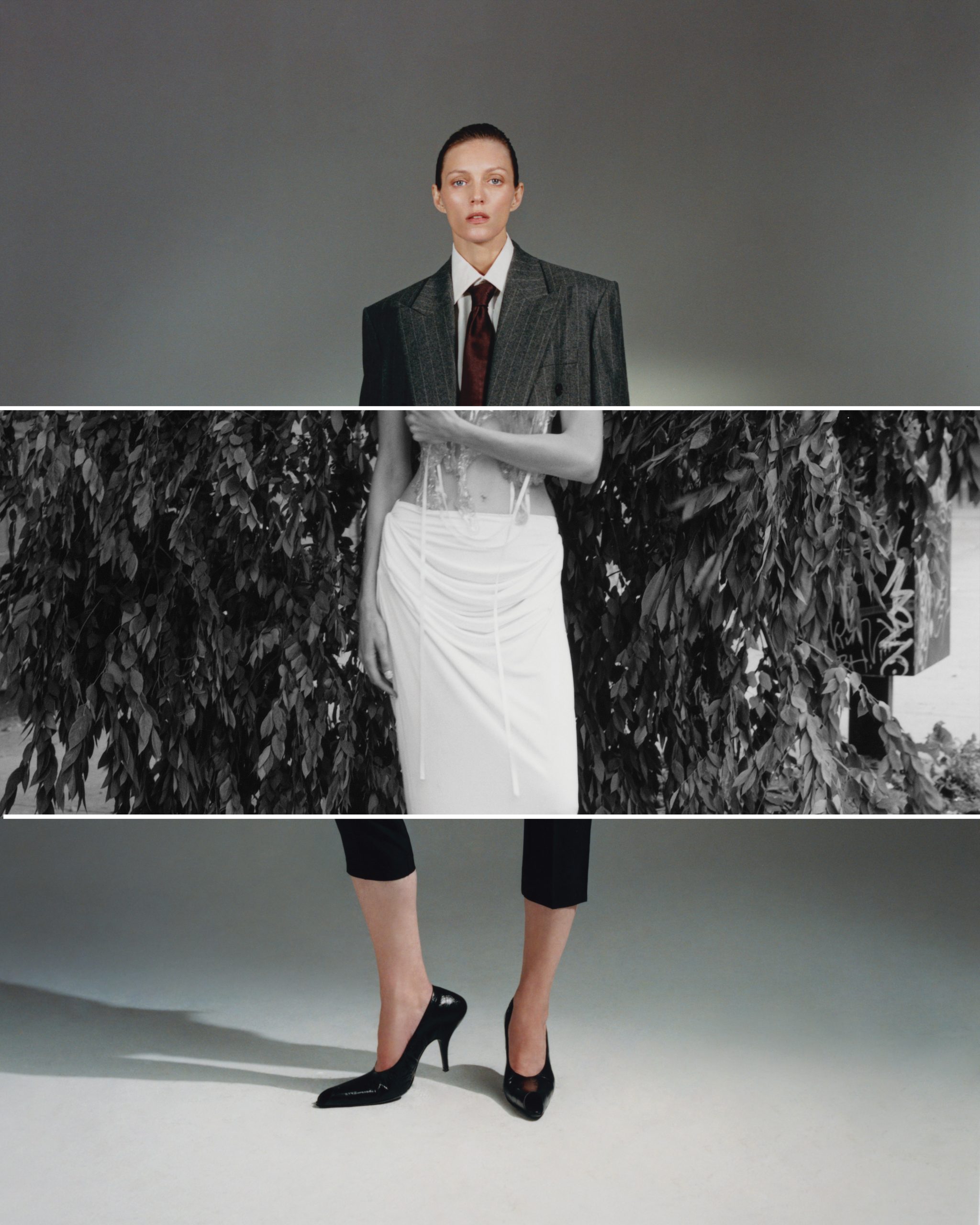
Anja Rubik | Image courtesy of Agata Serge
Anja Rubik for Fashion Flip Book
One of the 15 key flip images in the book features Anja Rubik (head), Amanda Murphy (torso), and Milla Jovovich (legs). Anja was my dream model to work with and an incredibly important part of the project, not only because of our shared Polish heritage, but also because of how deeply I admire her and her work. I still remember receiving the final yes from her team. I cried. I was overwhelmed with happiness. A few days later, I was in a car driving to Paris for the shoot, the same trip I mentioned in the interview. I would make that journey countless times for Anja.
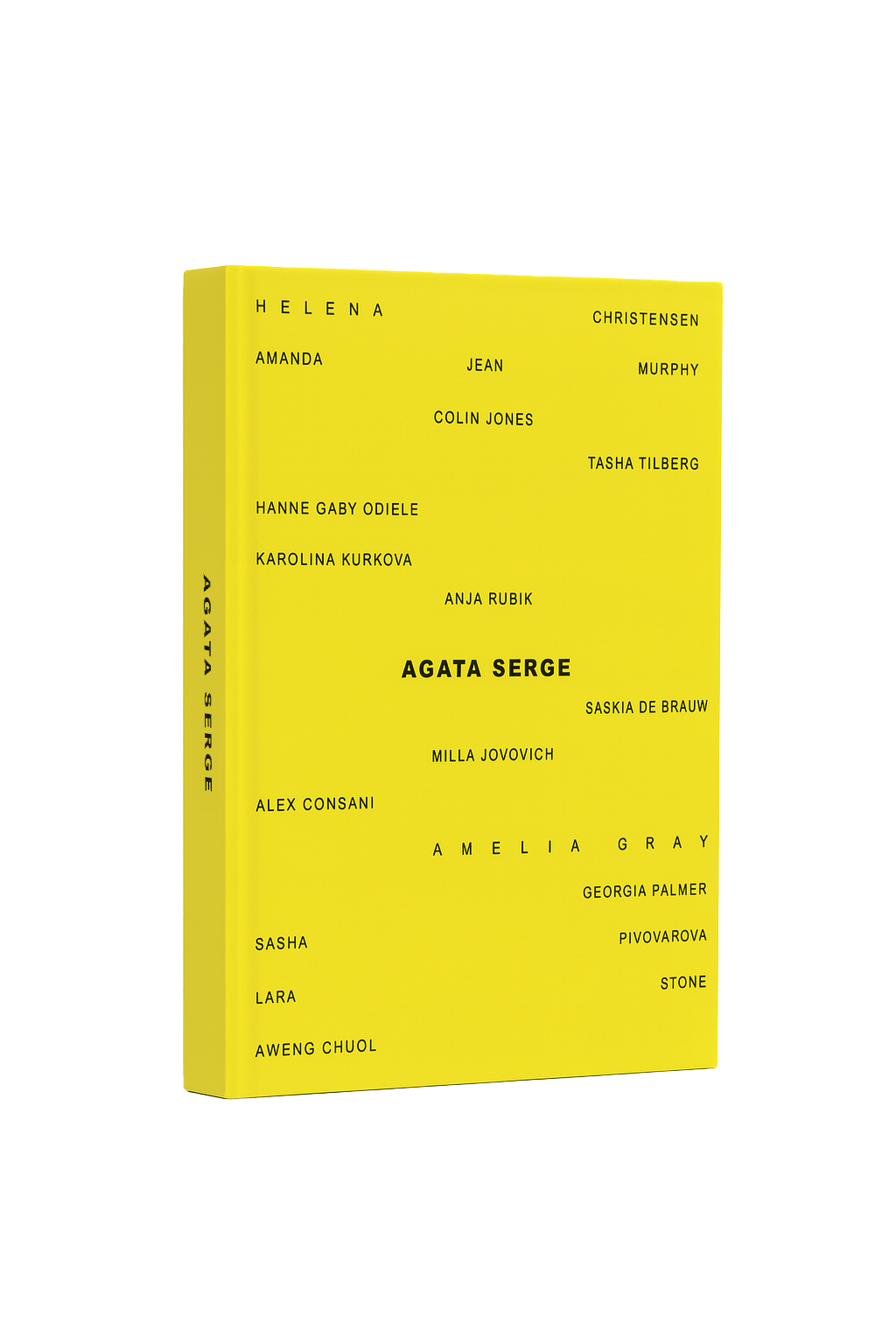
Image courtesy of Agata Serge
Fashion Flip Book
Fashion Flip Book is a limited-edition photography book that explores identity and individuality through fashion. Built around a unique flip concept, the central section of the book is physically cut horizontally, allowing viewers to mix and match heads, torsos, and legs to create their own compositions. Alongside the flip section, the book unfolds through a series of standalone editorials, each centered on the presence and character of its subject. The project brings together fifteen iconic models whose individuality, presence, and personal narratives helped shape each chapter. Each was approached not simply as a subject, but as a collaborator in creating a body of work that reflects both identity and transformation. From the intimacy of the darkroom to the scale of international productions, I wanted to blend craftsmanship with storytelling. Every frame was shot on a Mamiya RZ67, and every selected negative was hand-printed in the darkroom before being carefully scanned and refined. Out of 3,920 frames, just over 300 were chosen to form a cohesive body of work. The result is a timeless visual narrative that captures a specific moment while remaining open to endless reinterpretation.
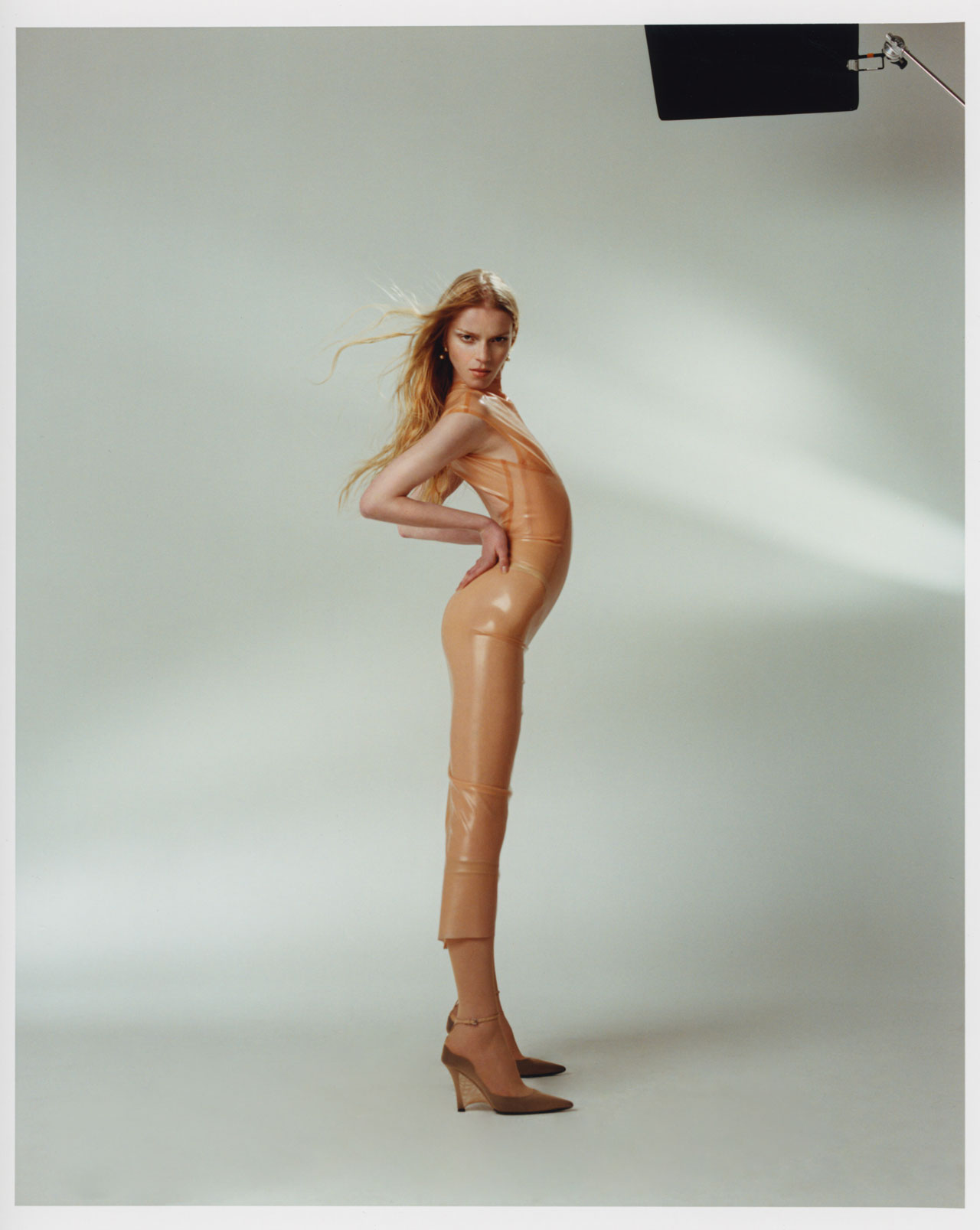
Colin Jones| Image courtesy of Agata Serge
Colin Jones for WWD
This was literally the very last frame of the shoot. Colin (Jones) had already gone to change, and we had officially wrapped for the day. I ran after her and playfully shouted, “One last one, Colin!” Not only did she do it, but she did it in the best possible way, and the image ultimately became one of the covers. I remember waiting for the rolls to be developed, wondering whether it had worked out, especially since I had only taken a single frame. When I finally saw it, it was the best feeling in the world.
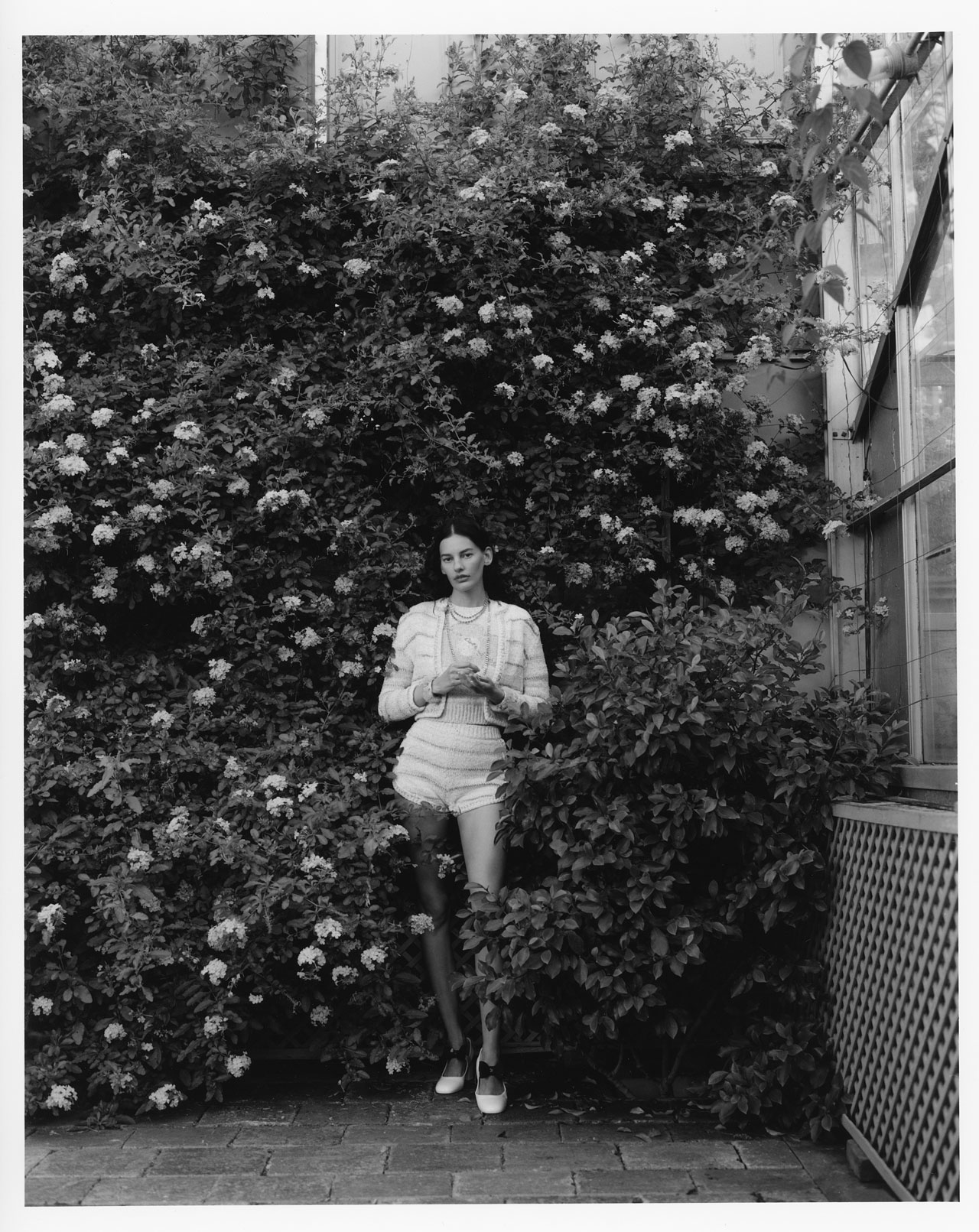
Amanda Murphy | Image courtesy of Agata Serge
Amanda Murphy for Vogue Netherlands
I have a thing for “last frames of the day,” and this was another one. I thought it was important to include this image because it shows how valuable it can be to keep pushing until the very last moment. When Amanda (Murphy) and I discovered this hidden spot at the location, we both became genuinely excited. From the very beginning, I knew it had to be a black-and-white image, despite the incredible colors surrounding us.It remains one of my favorite memories, partly because it became my first Vogue Netherlands cover. At the very beginning of my career, I lived in Amsterdam and remember dreaming about shooting for publications like Vogue. At the time, I never imagined it would happen, let alone with Amanda, who remains one of my muses to this day and is also featured in my book.
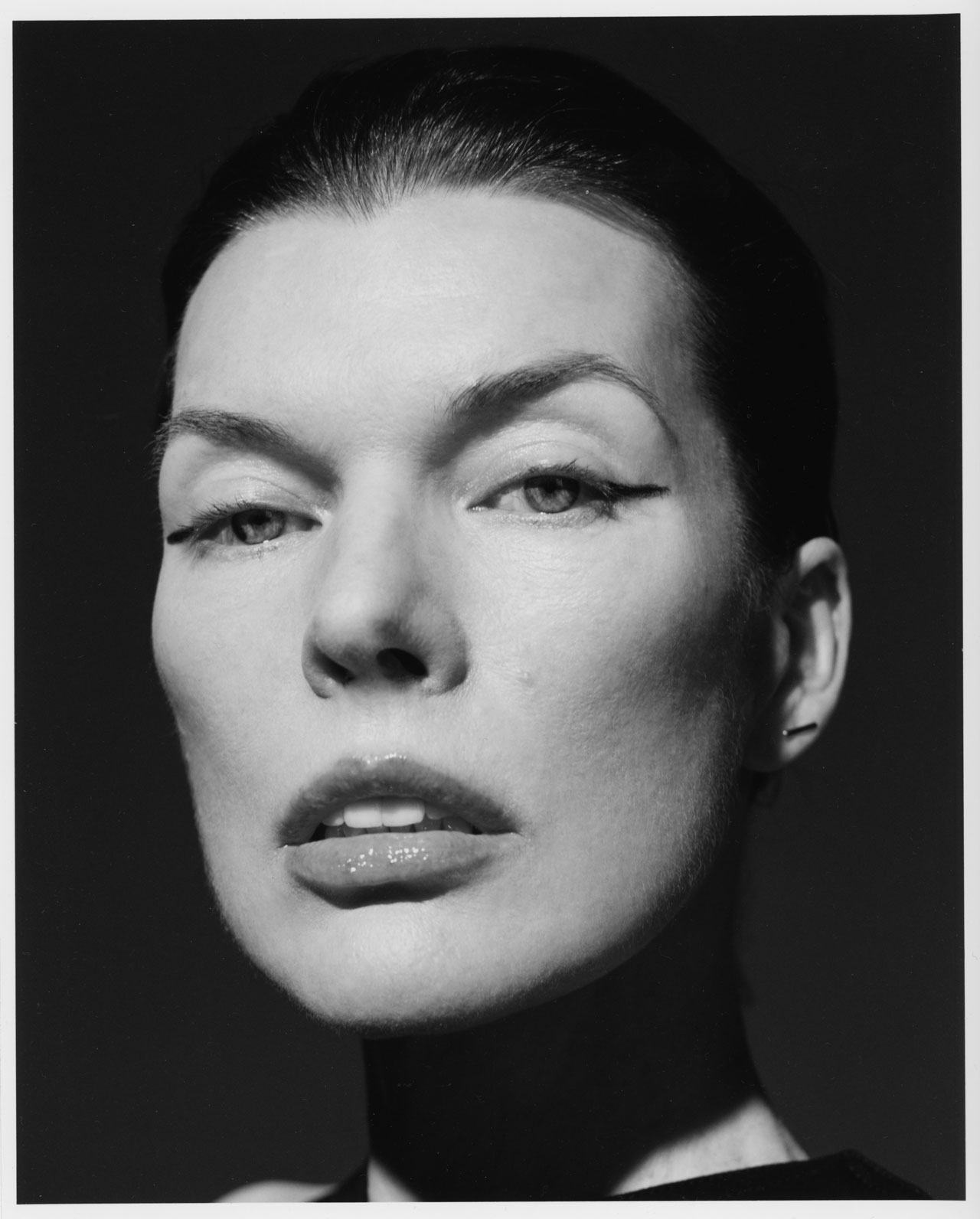
Milla Jovovich | Image courtesy of Agata Serge
Milla Jovovich for Crash Magazine
I had the honor of working with Milla (Jovovich) eight years ago, and I remember how significant that moment was for me. I always hoped our paths would cross again, but I never imagined we would reunite not only for a magazine cover, but also for my book. Coming back together felt incredibly emotional. It was like revisiting a meaningful moment from the past with an entirely new perspective. It was a true full-circle experience, and one that I will cherish forever.