Behind the Image is an ongoing MODELS.com series taking a more personal look at both established and emerging creative talent.
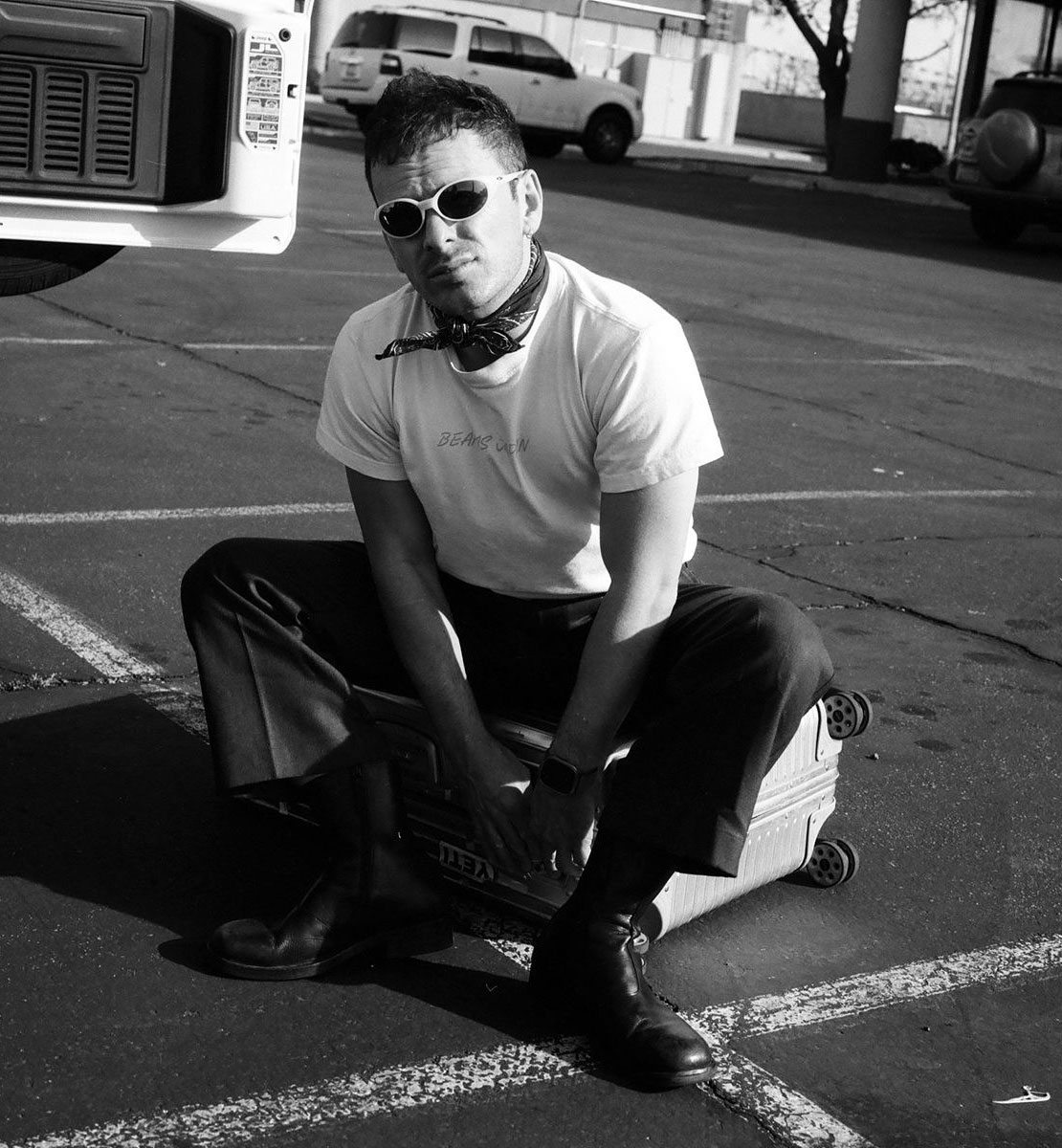
Tom Johnson by Henry Gorse | Image courtesy of Mini Title
Tom Johnson, Photographer
Hometown: The Shire (Oxfordshire)
Based In: United Kingdom
Representation: Mini Title
What sparked your interest in photography, and was there a defining moment that made you pursue it professionally?
I grew up in a small village, and my school was formal and traditional. I never really got on there; I was a bit of an outsider. So I ended up at the skatepark with people who were more like me, into skating and being in bands. I was in an emo band myself, the guitarist, though I was honestly rubbish at it. I got a camera so I could get closer to all of it. I wanted to observe and feel like I was part of it. There was never a real watershed moment. I just got it into my head that this was what I wanted, and I went after it. I get obsessed with ideas, with concepts, with anything new, and photography became the way to channel all of that. For a while, I get to be completely immersed in something I know nothing about. An important moment for me was photographing the London Riots in 2011. By chance, I met two journalists from VICE out on the street, and that became a big part of my way into the industry. They’d send me to photograph current events, from the eviction of a squat in North London to drug busts with the Metropolitan Police. I just kept chasing it, throwing myself out of my comfort zone, learning about the world in my own way.
You began your career assisting photographers like Jim Goldberg and Alessandra Sanguinetti. How did that foundation shape the way you approach your own subjects?
I answered an open call on Twitter for someone to drive a leg of Postcards from America. I was young and pretty inexperienced. I flew out to America and promptly had a little crash, scraping up the side of the motorhome (sorry again!). But even in that short week with Jim and Alessandra, I learned a lot. What struck me most was their sensitivity to their subjects, the way they could connect with people. The times I did assist, it was rarely about lighting or technical things. I came away with something else, a sense of feeling and exploration. Technicality has never really been the point for me. I make work about people and their performance. Honestly, I was a restless assistant, too eager to get out and make my own stuff. The experience pushed me on more than anything. When I got home, I bought a motorhome of my own and drove around the UK in the dead of winter with a friend, making my first project. We travelled up and down the country, meeting anyone we could, getting in anywhere we could, just taking it all in.
How would you describe your work? What’s your trademark?
Color, light and a sense of place, with real emotion running underneath it and a sprinkle of positivity. My work always carries a thread of storytelling, whether it’s a person or a place. With how I photograph people, the thing I’m chasing sits somewhere between the real and the performed. I photograph real people in real places, but tipped slightly into something theatrical and staged. That space between documentary and performance is where my work lives.
How did you develop your visual language, particularly your approach to color and composition?
My desire to be a photojournalist was the starting point. It gave me a background that comes from a place of honesty and a genuine desire to document what’s real. Composition comes from my own movement. I start close to my subject, then climb up and down things, experiment, keep shifting until something clicks. My use of color can be saturated and bold, and I shoot mostly in daylight. I take what the day offers rather than forcing it, which probably comes from my documentary background.
I’m very much inspired by the pioneers of color photography, Eggleston and Meyerowitz, but also by color cinema, directors like Wim Wenders. I’m also drawn to Nicholas Nixon, the way he photographs togetherness and intimacy, people in close relation to each other. I refuse to be beholden to the sun. I like to shoot in any weather, and I try to channel a bit of the painter Turner. Legend has it he strapped himself to the mast of a ship to put himself inside the storm. That’s where I want to be, in the thick of it, for the dramatic contrast of the light but also the energy.
What non-fashion influences (art, film, literature, music) shape your creative perspective?
I’m constantly listening to film scores. The problem is that when you edit photographs to something truly beautiful and emotional, it can mess up the edit. The music adds a layer that isn’t really there, and when you come back to the images in the quiet, they don’t hold the same weight. I’ve learned to be careful with it. I always think about what Stephen Shore said about editing, “do it when you’re happy, when you’re sad, and when you feel nothing at all.” That feels about right to me.
What do you love most about what you do?
It goes back to school, I didn’t enjoy it and I never learned in the traditional way. Photography became my version of an education, a kind of school of life. You learn from the people you meet along the way. I think of someone like Terry Wood, he was an incredible actor and performer with one eye, who I photographed a lot in my formative years. He spent most of his life in the navy, but when he retired, he got into acting and found an entire new world. He taught me about life, about growth, about expression. Or my first trip to Ukraine, where I stayed with and documented the biggest family in the country, and learned about togetherness and other ways of doing things. You can take some wisdom from everyone you photograph, and hopefully give them something back in return.
What have you watched, heard, or read lately that has inspired you?
I really enjoyed The Dog Stars by Peter Heller. It’s a book about hope at the end of the world, which sounds bleak but isn’t. The last song that made me pull over while driving was Blue and Gold by Madra Salach, with a powerful buildup and this Irish-folk-inspired beauty.
What have you watched, heard, or read lately that has inspired you?
I took a year out after COVID to study psychotherapy. It changed the way I listen and communicate, and the way I photograph and take on work, too.
What have been the biggest challenges you’ve faced professionally, and how have you overcome them?
Generally, I’ve been very lucky. The hardest thing, if anything, has been patience, wanting everything to happen instantly. A lot of that comes from the juxtaposition I work across. Fashion is fast, a quick turnover of work, one job to the next. Documentary is the opposite, it takes a long time to make happen. It’s all about access, earning the trust of the people you’re photographing, and that can’t be rushed. Learning to live between those two speeds has been a challenge. When I’m struggling, I make personal work. When I feel stuck, I get out there and try something new, and slowing down is usually a good antidote.
Who’s One to Watch?
Eugenia Skvarska, a Ukrainian creative director and stylist I’ve been working with on a project out in Ukraine, celebrating culture and the importance of people coming together in spite of the war. Her work is mega.
Selected Work
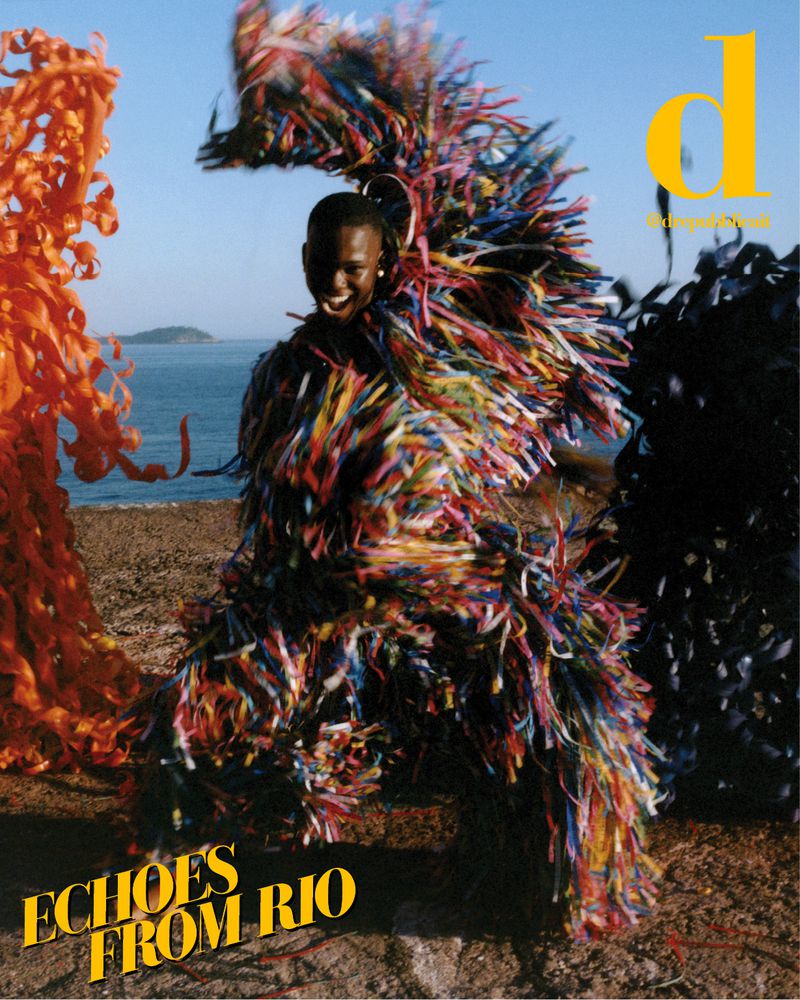
Faiska Alves by Tom Johnson | Image courtesy of Mini Title
D Repubblica June 2024 Cover
We took an incredible trip around Rio de Janeiro. We stayed in a favela called Vidigal and shot all around the city, casting local people and models. George (Krakowiak) has an incredible creative presence.
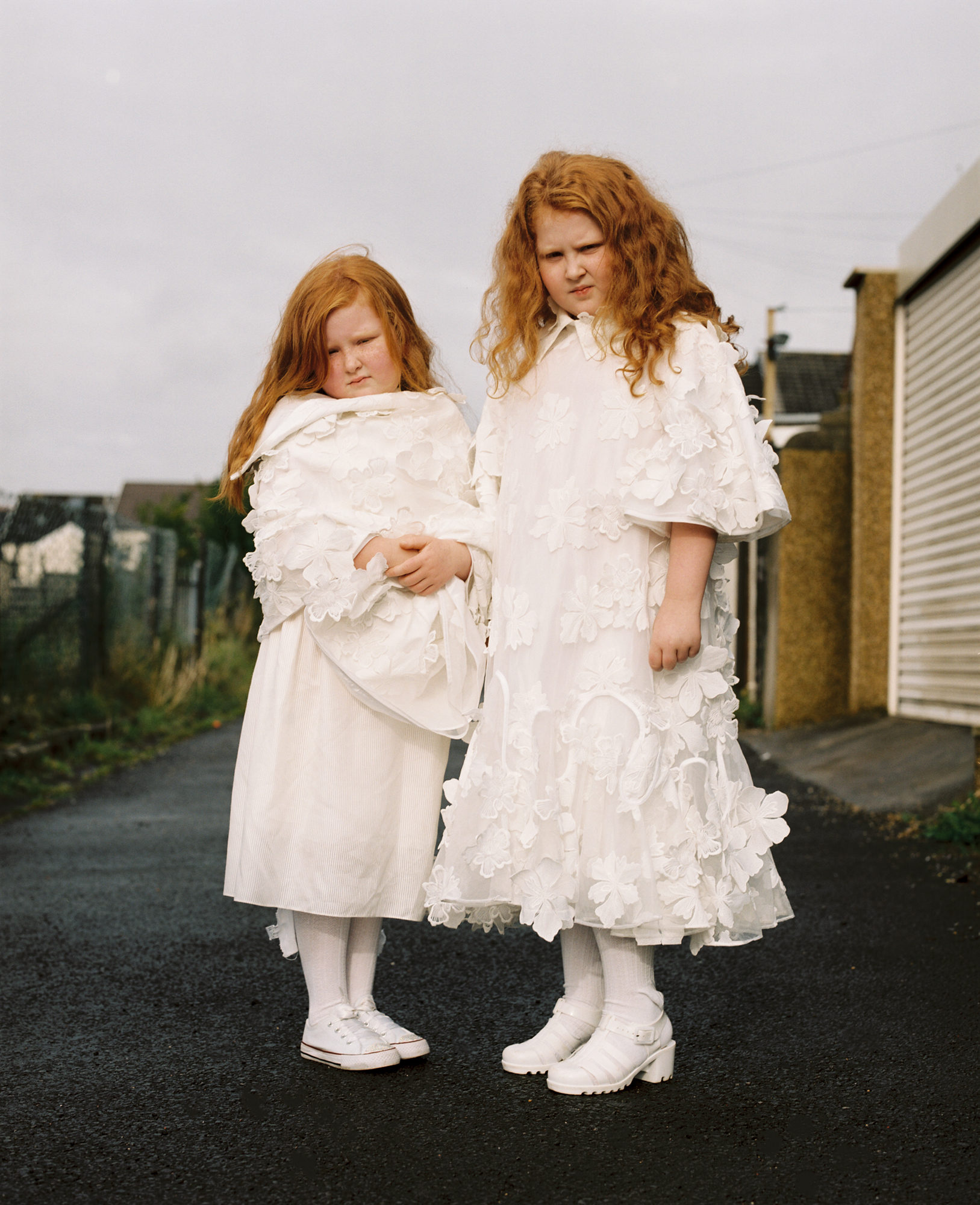
Evie and Kyra by Tom Johnson | Image courtesy of Mini Title
The Evans Girls
This was the first shoot I did that involved fashion. I worked with stylist Charlotte James on a project in Merthyr Tydfil, her hometown, where we styled her friends, family and local people we street cast. Evie and Kyra were the children of a friend from her old school. I loved what adding clothes and fashion could do to an image, how it could elevate it, make it into something different, something slightly off, theatrical, playful and fun.
By Tom Johnson | Image courtesy of Mini Title
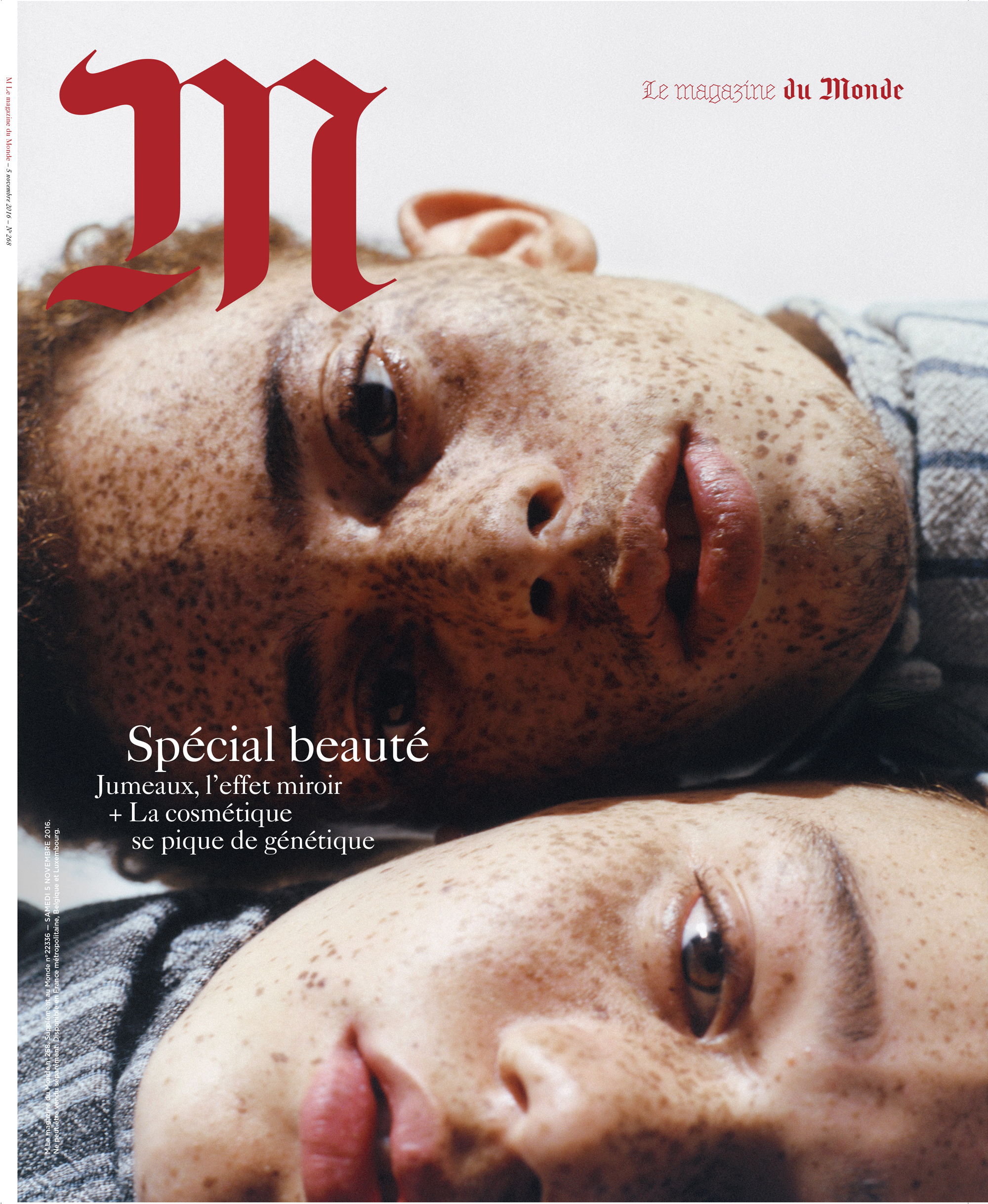
Le Monde M November 2016 Cover
My first cover with M Le Monde was a special one. I worked with stylist Charlotte Collet and collaborated with Maxine Leonard of Beauty Papers, both of whom have been long-term collaborators since then. Like many photographers before me, I have an obsession with photographing twins and siblings, so we shot each pair together, playing them off each other to highlight their form, energy and symmetry.
By Tom Johnson | Image courtesy of Mini Title
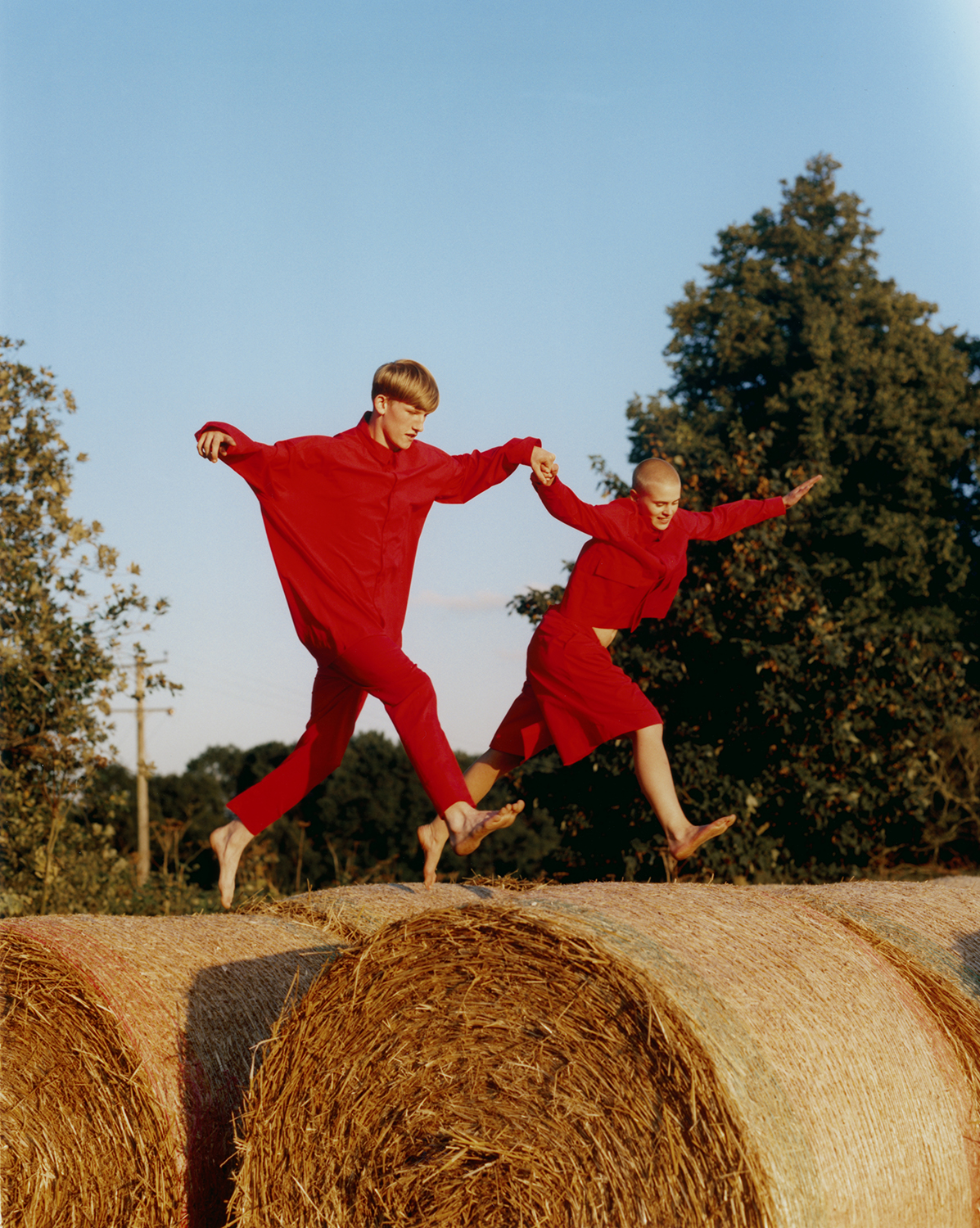
Collection 006 by Toogood
This was the first shoot I was commissioned to do, with models and a whole team. The art director, Stephen Ledger Lomas saw my work and introduced me to Faye Toogood and her team. We stayed in a beautiful house in Norfolk and literally ran around the fields pissing off the local farmer (sorry again). It was the start of a long collaboration with the brand, full of adventures all over the UK, and hugely important in shaping my visual style into what it is today. Coming from documentary, I found that I loved working with a team and the energy it brings, and I thrive on the fast, off-the-cuff problem solving that fashion demands.
By Tom Johnson | Image courtesy of Mini Title
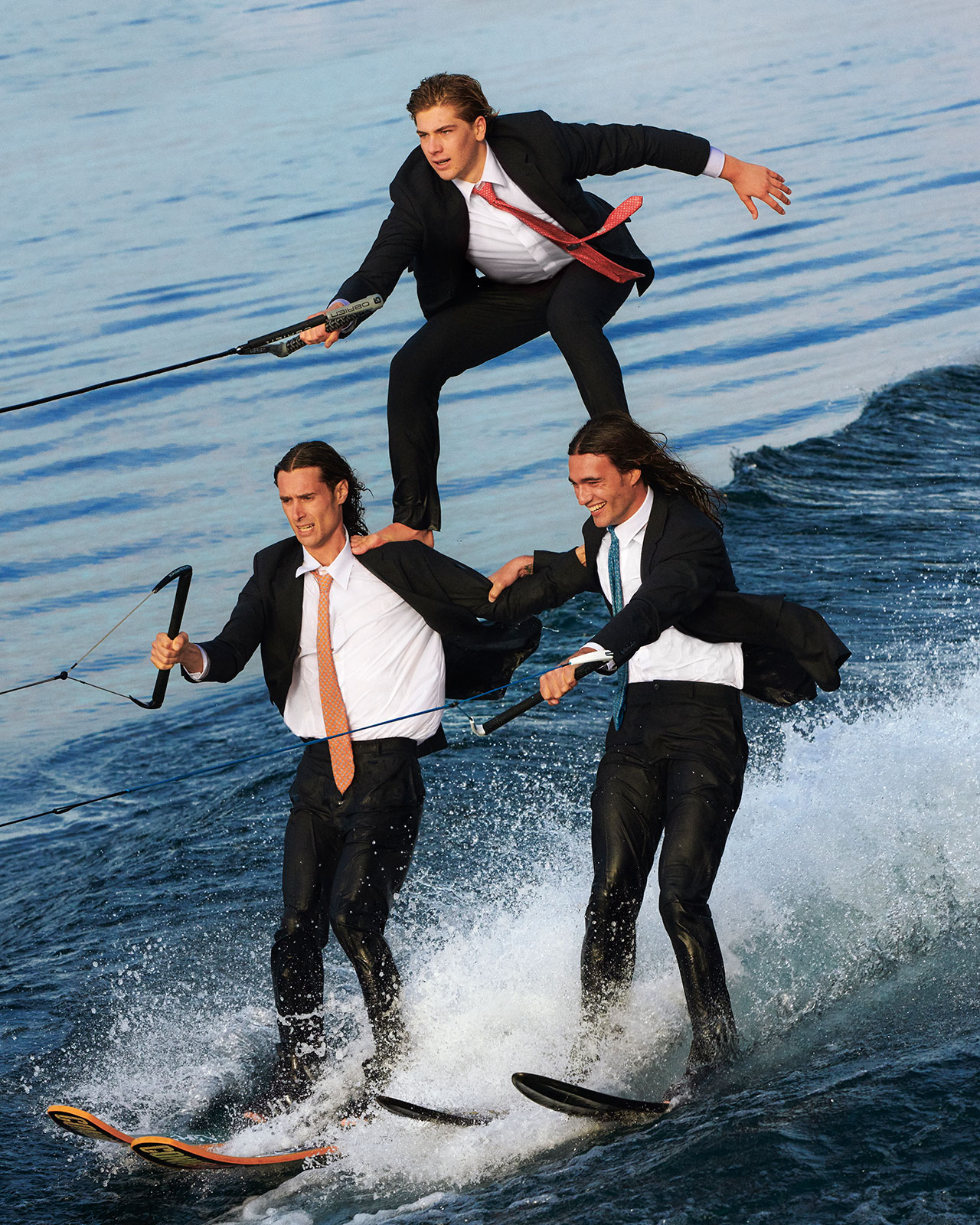
Hermès Silk Italian Waterskiing Team, Lake Como
I’ve been lucky enough to work with Hermès many times over the years, and they have an amazing ability to come up with creative ideas that just work. This time it was the Italian Waterskiing Team in sharp tailoring, plus a speedboat, plus Hermès ties, equals fun. It was chaos. The clothes got soaked, and we were trying to shape the ties while the team flew along at 50mph. Shooting on water is genuinely hard. Spray everywhere, constant movement, all while trying to keep the silk looking good, with me bouncing up and down in another boat alongside them. I love working with athletes and performers as much as models. They bring a physicality most models can’t, though I also like turning models into performers when I can.
By Tom Johnson | Image courtesy of Mini Title
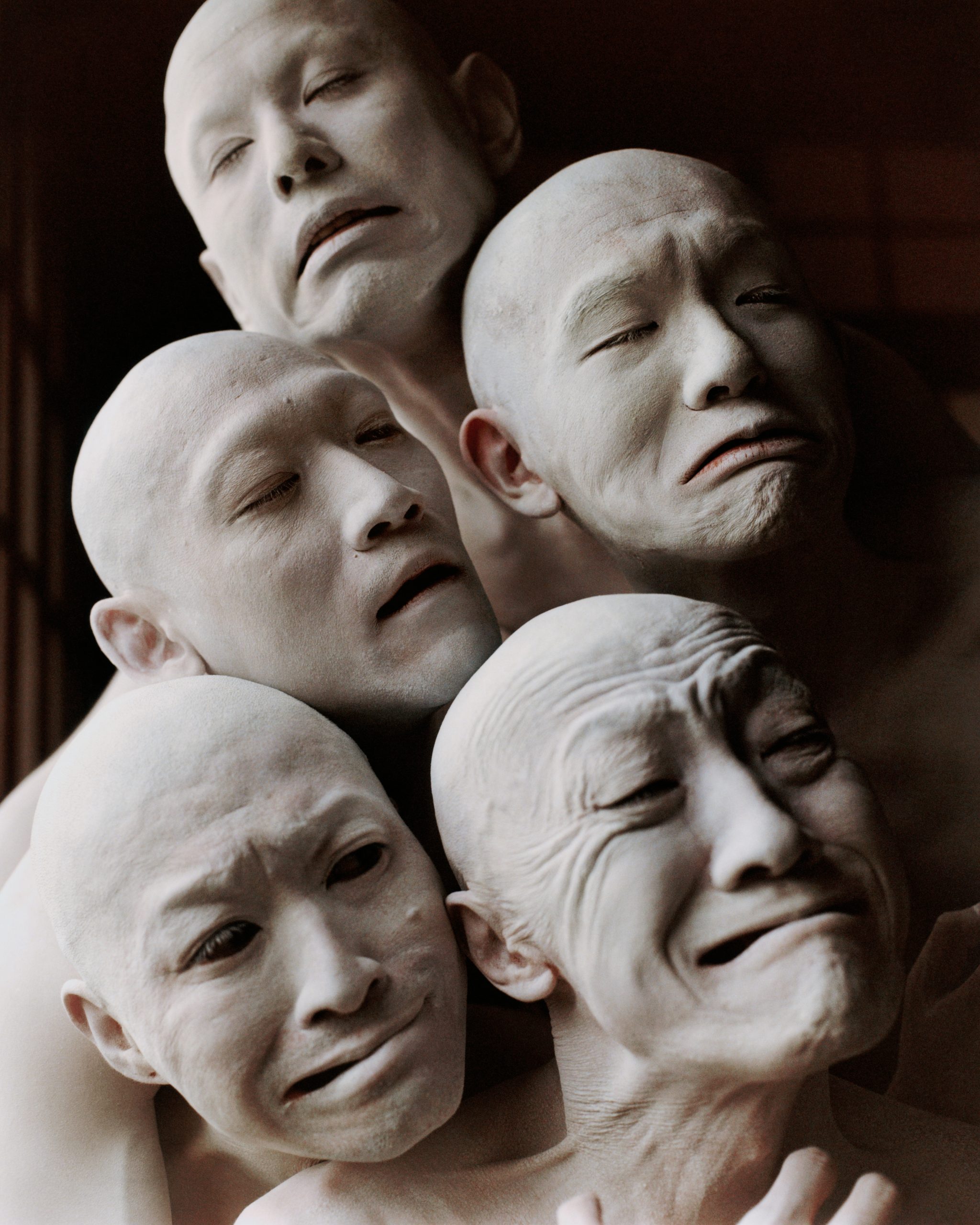
Butoh, 2025
I know I said I like to shoot in the storm, but this time there was a monsoon outside, and it was too dangerous to head out. The idea was to shoot in a beautiful volcanic landscape, but we were forced into a small hotel room (still very photogenic, since it was in Japan) with a group of eight Butoh dancers. Rather than feeling stuck, we shot some of my favourite images, confined to the dim daylight of a single window. Sometimes constraints can really work to your advantage. This project developed over a few trips into my first book and exhibition, published by Sixteen Journal.