Behind the Image is an ongoing MODELS.com series taking a more personal look at both established and emerging creative talent.
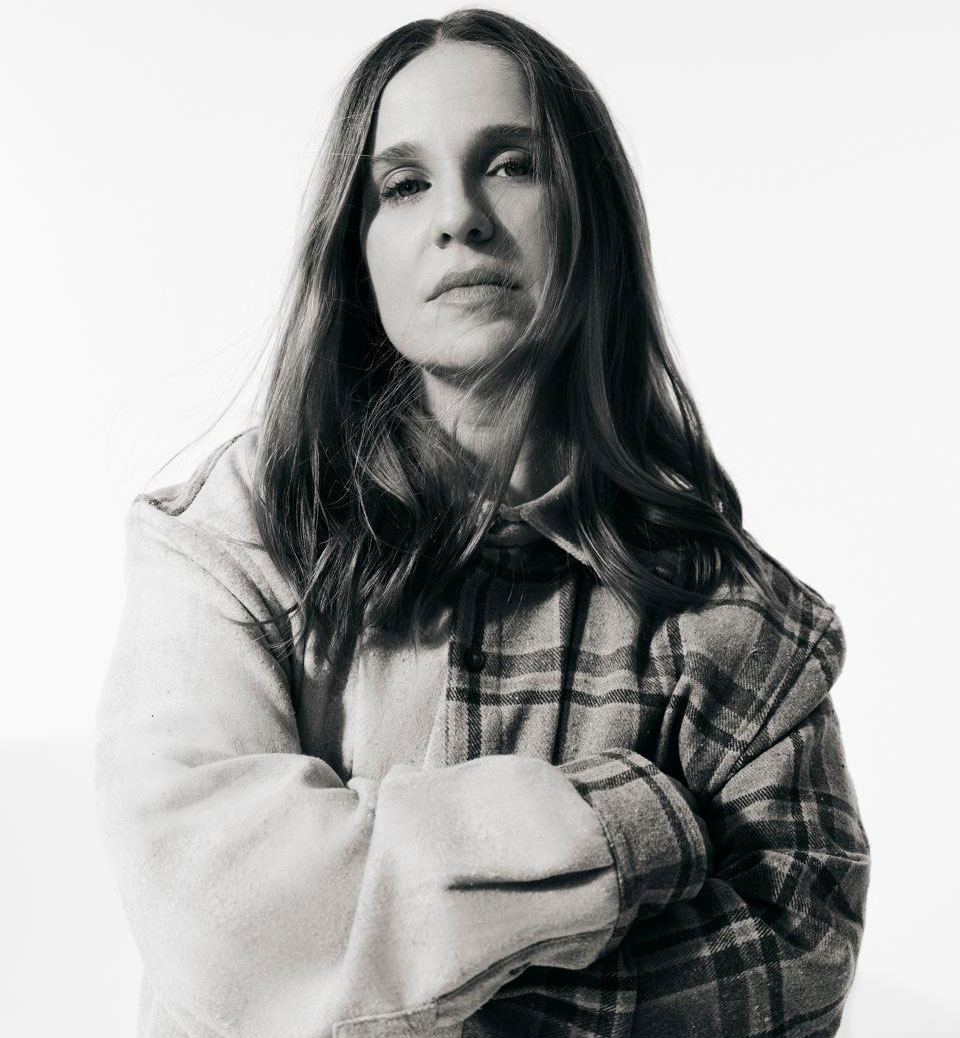
Rita Lazzarotti | Image courtesy of SD MGMT
Rita Lazzarotti, Fashion Director + Stylist
Hometown: Pirassununga, São Paulo, Brazil
Based In: São Paulo, Brazil
Representation: SD MGMT
How would you describe your work? What’s your trademark?
I’m drawn to a kind of fashion that feels elevated yet effortless. My work often begins with the pursuit of beauty, helping people feel confident and comfortable in their own essence, but I’m equally fascinated by imperfections, contradictions, and the unexpected. I’m interested in tension, in the moments where something feels slightly off or unresolved. To me, perfection has always been entirely subjective. I was born in the 1980s and developed my visual language throughout the 1990s, so my eye naturally gravitates toward the spirit of grunge. That influence continues to inform the way I think about image making today.
What sparked your interest in styling, and was there a defining moment that made you pursue it professionally?
Fashion has been part of my life for as long as I can remember, long before I understood it could become a profession. At ten years old, I was already sketching collections, cutting out images from magazines, creating reference collages, and building folders filled with editorial imagery. Looking back, I realize I was constructing my own visual universe. By the end of high school, studying fashion felt like the most natural choice I could make. When I moved to São Paulo, I began working during my very first semester at university. Before becoming a stylist, I explored many corners of the industry, including television, film, theatre, magazines, and runway productions. Those experiences ultimately shaped the way I approach fashion and storytelling today.
You’ve collaborated with Mar + Vin and Lufré on multiple Vogue Brasil editorials. How would you describe your collaboration process?
I’ve worked with Mar + Vin for many years, and their process is deeply rooted in pre-production. We spend a great deal of time discussing concepts, references, and the visual language we want to build together. There’s a genuine exchange of ideas that begins long before we arrive on set. My collaboration with Lufré is more recent and tends to be more immediate, although the creative dialogue is equally important. What I appreciate most about working with both is the collective nature of the process. While every image is the result of a collaborative effort, each person’s individual identity remains visible. I find that intersection fascinating, the way different perspectives come together to create something that belongs both to the group and to each contributor individually.
What other jobs have you had?
When I was a teenager, I worked as a waitress in a very cool bar in my hometown. I loved it. It was a light job with little responsibility, and I had a lot of fun. When I arrived in São Paulo, I worked a few times as a sales associate at fashion stores, but only for short periods. My career in fashion truly began when I got an internship at MTV during my first year of college. Since then, all of my jobs have been connected to the world of fashion. I’ve worked as a production assistant, producer, assistant editor, senior editor, and eventually became a stylist and fashion director.
What non-fashion influences (art, film, literature, music, etc.) shape your creative perspective?
When you work in fashion, looking to the arts is essential. I’m always paying attention to and seeking out everything related to cinema, design, music, and art. Music is so important to me that I start my day listening to it and continue until the end of the day, always searching for new discoveries while also returning to the classics. I can begin the day listening to Olivia Dean and end it with George Harrison. Cinema is my great passion. I’m very guided by it. Sometimes it takes me hours to finish a film or a series because I keep researching the characters, actors, directors, and the periods in which the story takes place. I pause constantly to better understand what I’m watching, and before I know it, I’ve done extensive research. Many ideas come from that process. In the arts, I’m passionate about the work of Lucas Arruda in Brazil. In cinema, I love Jim Jarmusch, the Coen Brothers, and Paolo Sorrentino. In music, I’ve been listening to Peggy Lee a lot recently because of Lady and the Tramp, which my daughter is watching at the moment, and we sing “La La Lu” together. But my daily soundtrack always includes Rita Lee, Maria Bethânia, The Velvet Underground, and David Bowie.
What’s your process for conceptualizing a look? Do you start with references, emotions, or something else entirely?
I become emotionally involved with everything I do. I can’t help but immerse myself deeply in that relationship. I do extensive research at the beginning and then allow my intuition to guide me. Once I understand the brief, my process is usually quite fast. Most of the time, I stay faithful to the first idea I had, making adjustments when necessary. I’m also very open to hearing opinions and discussing the process. I enjoy building things collaboratively. I think it’s important to say that every time I’ve tried to do something different from what comes naturally to me, believing it might bring something new, but that didn’t truly feel like me, I ended up feeling disconnected from the work. Since then, I’ve followed my intuition, my desires, and respected my own perspective in everything I do.
You have worked extensively with Taís Araujo from Vogue Brasil editorials to red carpets. How does your collaboration develop from concept to execution, and how has it evolved over time
I’ve worked with Taís (Araujo) for eight years, and I can say that we’ve grown a great deal together. Working with her is a gift because, beyond being an incredible talent and a very important figure in Brazilian culture, she’s also very easy to work with, cheerful, engaged, decisive, and very open to dialogue. We discuss the entire process from the very beginning, what we want to create, and how we’re going to execute it. It’s a very straightforward path, and one that’s constantly evolving.
As Fashion Director of Vogue Brasil, how do you approach storytelling through fashion on an editorial level, and how does that role differ from your work as a stylist?
I try to unify the Brazilian market with the international landscape, in order to build a narrative that speaks to both worlds without being limited to either one. I always aim to create images that feel current and fresh within that context. It’s about revisiting the past, bringing it together with the present, and looking toward the future. It’s a challenging exercise, but one that I find extremely rewarding and to which I dedicate myself intensely. The greater the challenge, the better. I don’t see a major separation between this role and my work as a stylist. The main difference is that, at the magazine, I have to think about how to execute those ideas for a broad audience of readers and consumers. In styling, my focus is the individual person I’m creating for, so the process becomes much more personal and specific.
How do you ensure that the looks you curate at Vogue Brasil remain both global and deeply rooted in the region’s cultural narratives?
Whenever I work on a story connected to international fashion, I make it a commitment to bring my Brazilian perspective and identity to the project. That can happen through the location, the beauty direction, the choice of model, or the accessories. I always try to create images that convey the feeling that, even while wearing an international brand, they still carry a Brazilian spirit, our “borogodó,” which could be described as a uniquely Brazilian charm or flavor. I find that balance incredibly interesting. The September issue of Vogue Brasil is a great example of what I mean.
What have you watched/heard/read lately that has inspired you?
I was recently at Bookmarc in New York City and have become obsessed with the books Fêtes Mémorables et Bals Costumés and The Battle of Versailles: The Fashion Showdown of 1973. I have also been researching millinery extensively because of the book Stephen Jones: Souvenirs.
What have been the biggest challenges you have faced professionally?
Recently, I became the mother of two wonderful daughters within a short period of time. As a result, I’m still learning how to balance a career that demands so much of me and my time with motherhood, which requires that same level of dedication and intensity. Without a doubt, that’s been the greatest challenge of my life.
Who’s one to watch?
Pedro Andrade from Piet, Nidia Aranha, and Leoni.
Selected Work
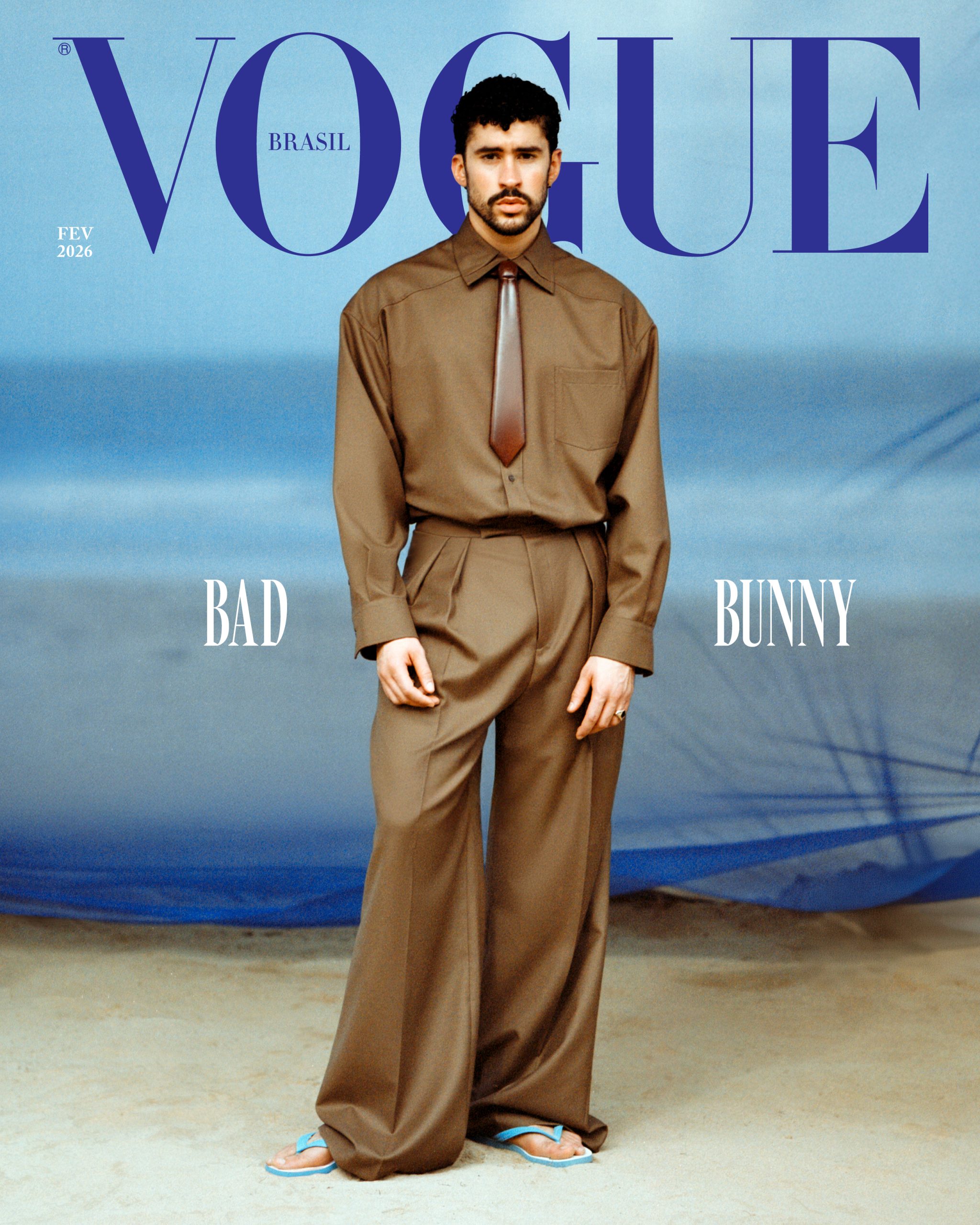
Bad Bunny by Mar + Vin | Image courtesy of SD MGMT
Vogue Brasil February 2026 Cover
The cover story I did with Bad Bunny for Vogue Brasil in February of this year had a much greater impact than I ever imagined. I was already aware of his importance and influence, but even so, I was surprised by the scale of the response. For this cover, I dressed him in a wooden shirt, trousers, and tie by Mondepars, an emerging Brazilian label that creates exceptionally precise and tasteful tailoring. To make the look feel less formal, I had the idea of adding a pair of Havaianas, such a strong symbol of Brazil. I chose the blue and white style, which, in my opinion, represents Brazil in a very genuine way.This combination, tailoring with flip-flops, is very common among older men from where I come from. I’ve always found it interesting how it balances the elegance of tailoring with the lightness, ease, and tropical spirit of sandals.
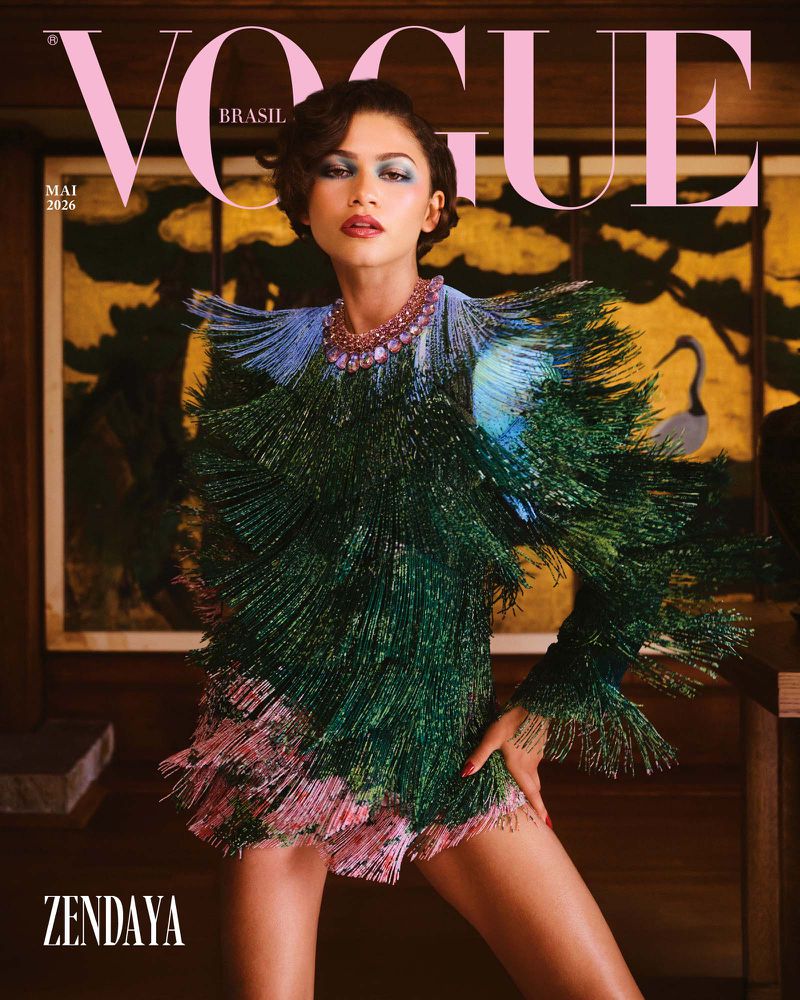
Zendaya by Nicole Heiniger | Image courtesy of SD MGMT
Vogue Brasil May 2026 Cover
Recently, we photographed Zendaya for Vogue Brasil, and it was a huge achievement for all of us. I love this photograph, not only because I think she looks beautiful, but because she fell in love with the image as well and requested that it become the magazine’s cover. Initially, it wasn’t going to be the selected image, but I supported her request and was very happy that we were able to make it happen. It was a very special moment.
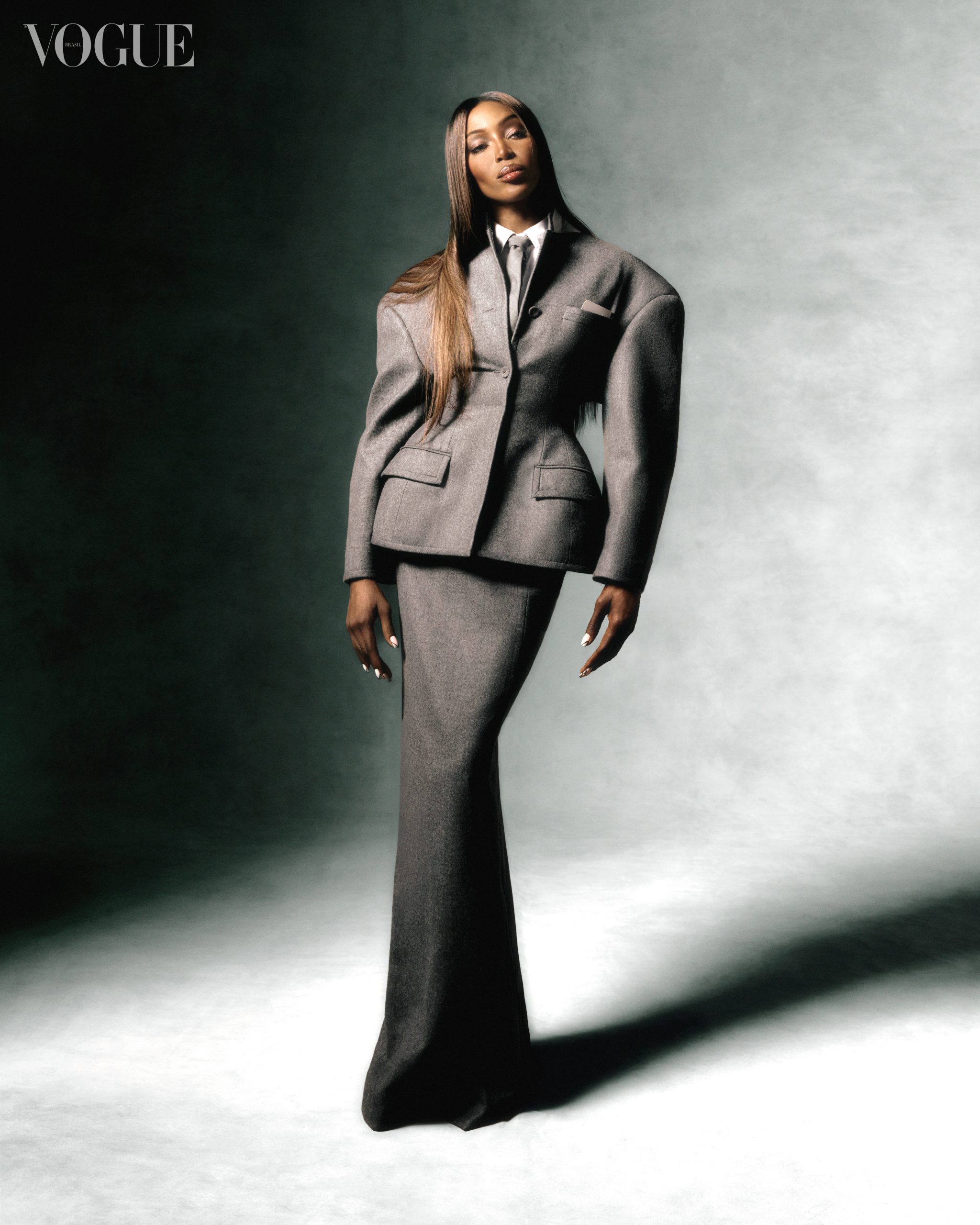
Naomi Campbell by Mar + Vin | Image courtesy of SD MGMT
Naomi Campbell for Vogue Brasil
Photographing Naomi Campbell in London with Mar + Vin for Vogue Brasil was another dream come true. Ever since I started following fashion shows and editorials in the 1990s, Naomi had always been there, and I was completely fascinated by her. Being able to create this story was, without question, one of the most important moments of my career.
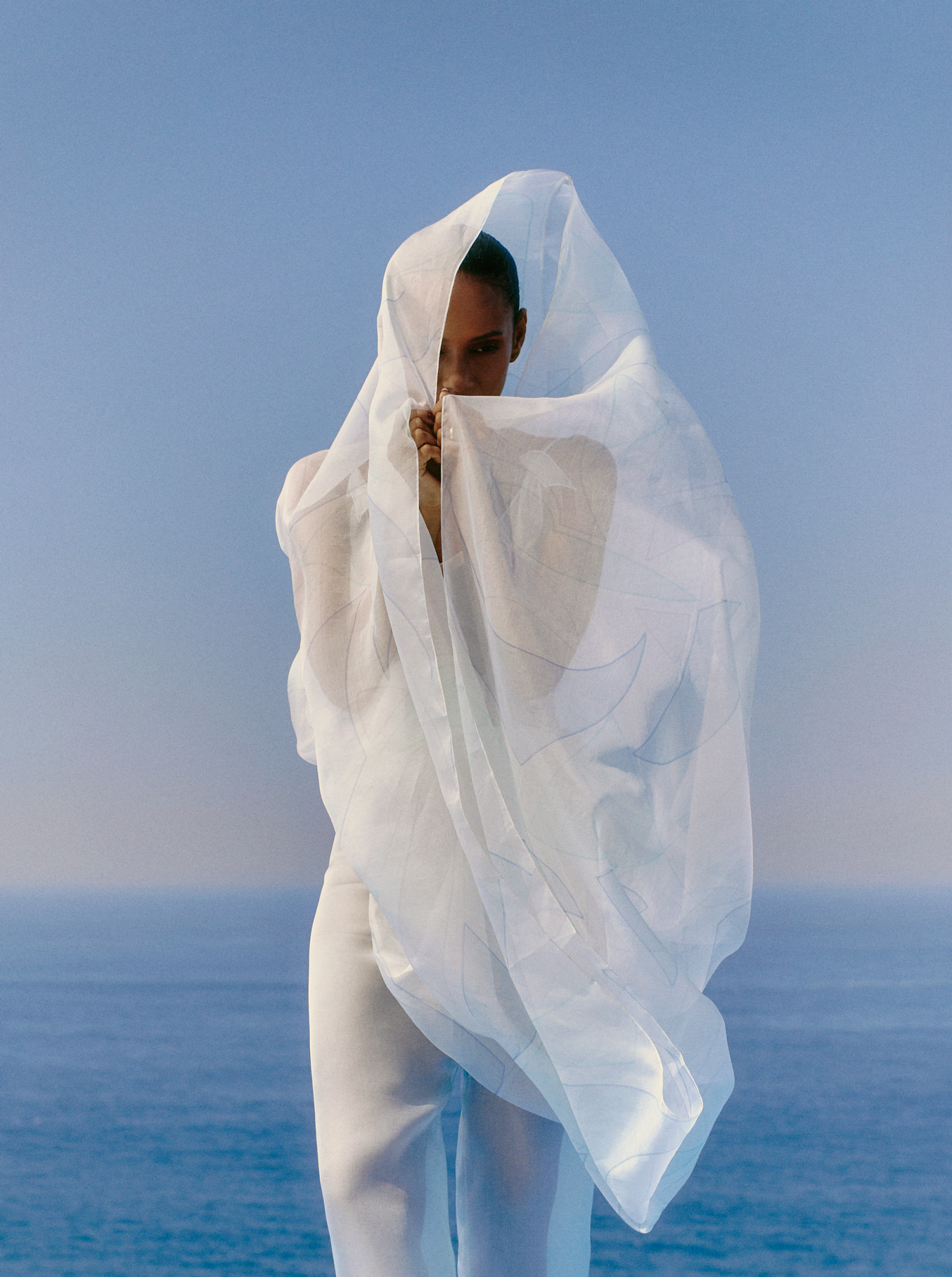
Taís Araújo by Mar + Vin | Image courtesy of SD MGMT
Ela é Carioca for Vogue Brasil
This photograph of Taís Araujo is part of the shoot for the first Vogue Brasil cover I styled before becoming the magazine’s Fashion Director. Because I had already been working with Taís, and because this cover came before I assumed the role of Fashion Director, I have a very special connection to this project. I also believe that this image, photographed by Mar + Vin, is timeless. Whenever I look at it, I feel that many years from now it will still feel relevant and current.
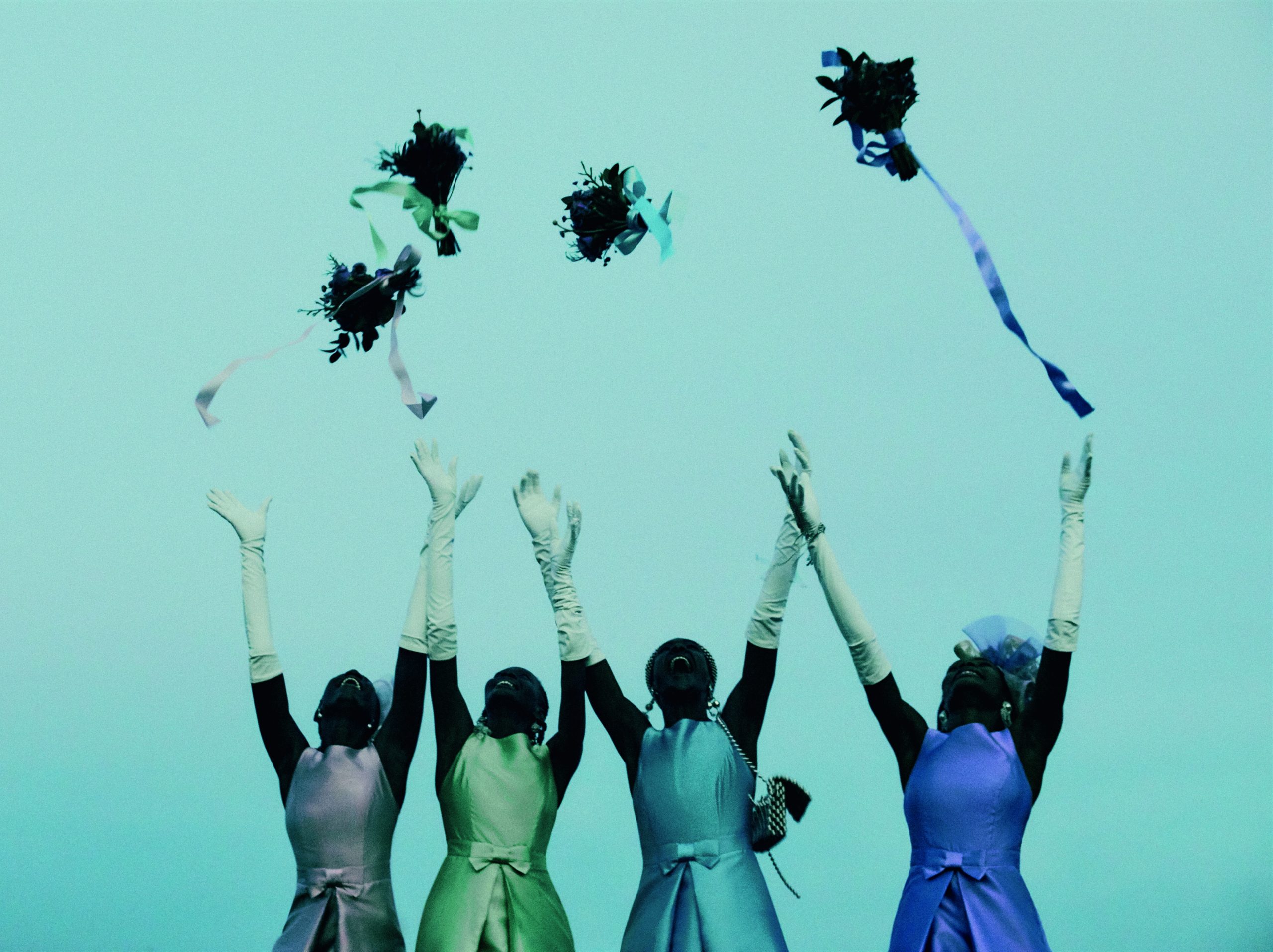
Yacy and Yara Sá by Rafael Pavarotti | Image courtesy of SD MGMT
Retrô Classy for Vogue Brasil
One of the most important projects of my career was this editorial with Rafael Pavarotti, back when he was still living in Brazil. The story was created for Vogue Noiva and originated from a beautiful idea of his, portraying a wedding between Black women by inviting twin sisters Yara Sá and Yacy Sá to be part of the project. The setting, the colors, and the poetry, something so unique to what Rafael is able to create, make me remember that day very fondly. The result was a series of extraordinarily beautiful images.
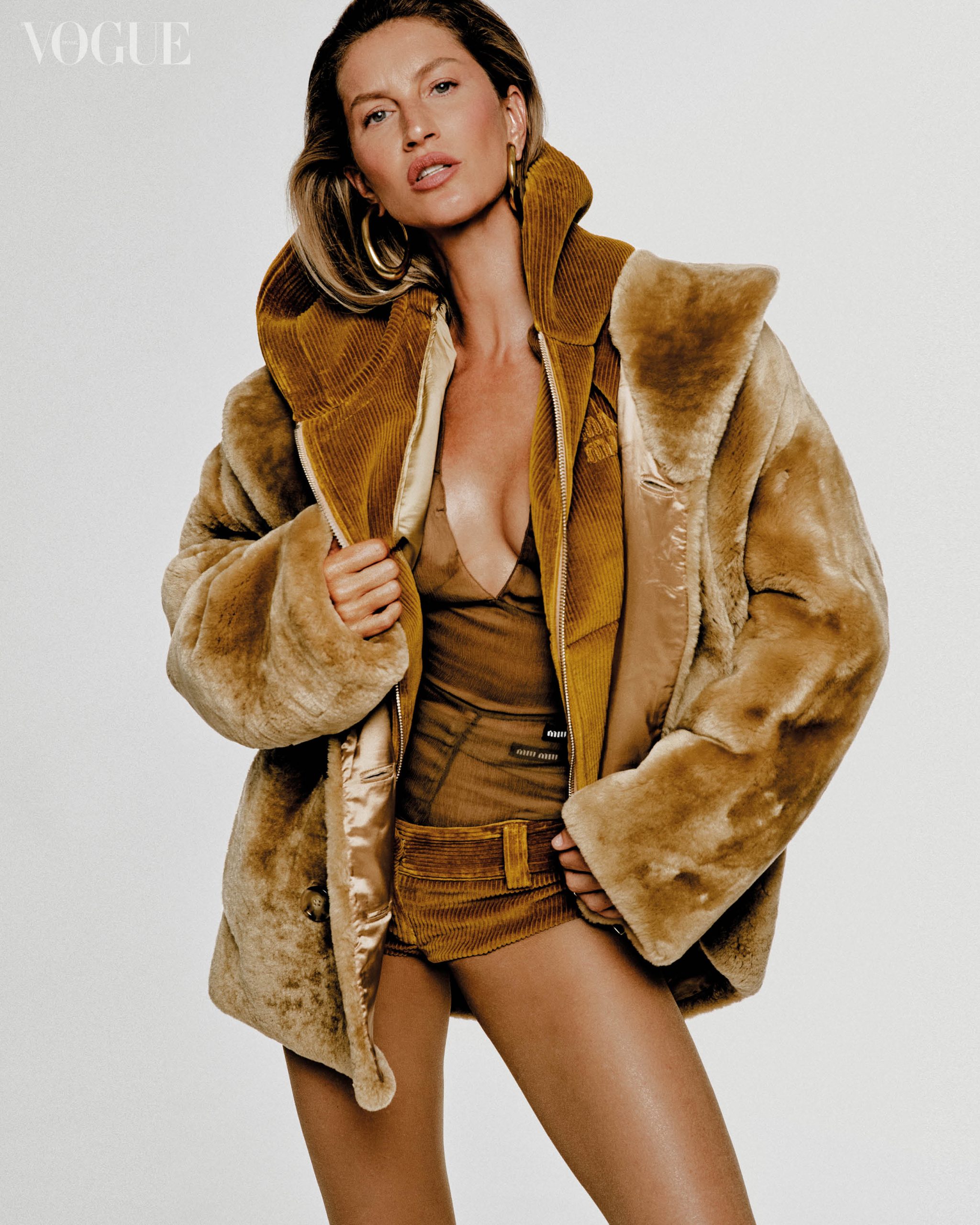
Gisele Bündchen by Lufré | Image courtesy of SD MGMT
Gisele for Vogue Brasil
I’ve always admired Gisele (Bündchen) as a model, and after so many years of working together, I’ve also become a great admirer of the person she is. She’s incredibly professional, remarkably dedicated, and at the same time deeply human and generous with everyone on set. She’s an extraordinary mother, passionate about nature and life. She’s curious, engaged, and always willing to share everything she’s learned throughout her remarkable journey. Gisele changed the course of global fashion through her unique way of walking, posing, and communicating. She’s our one and only übermodel. I never tire of photographing her.

