The Oscars are just weeks away, and with the nominations announced, one milestone stands out. This year, costume designer Ruth E. Carter made history as a five-time nominee, becoming the most nominated Black woman in Oscar history for her work on Sinners by Ryan Coogler. Her milestone also invites a broader reflection: costume design wasn’t recognized by the Academy until 1949, more than two decades after the first Oscars ceremony in 1929. Often operating quietly in the background, costume plays a powerful role in shaping how a film, television show, or music video connects to culture, builds character, and resonates emotionally with audiences. Far beyond aesthetics, it is a key storytelling tool, one that carries history, identity, and meaning. In honor of Black History Month, we spotlight 10 influential Black costume designers whose work has helped define visual culture across film, television, and beyond.
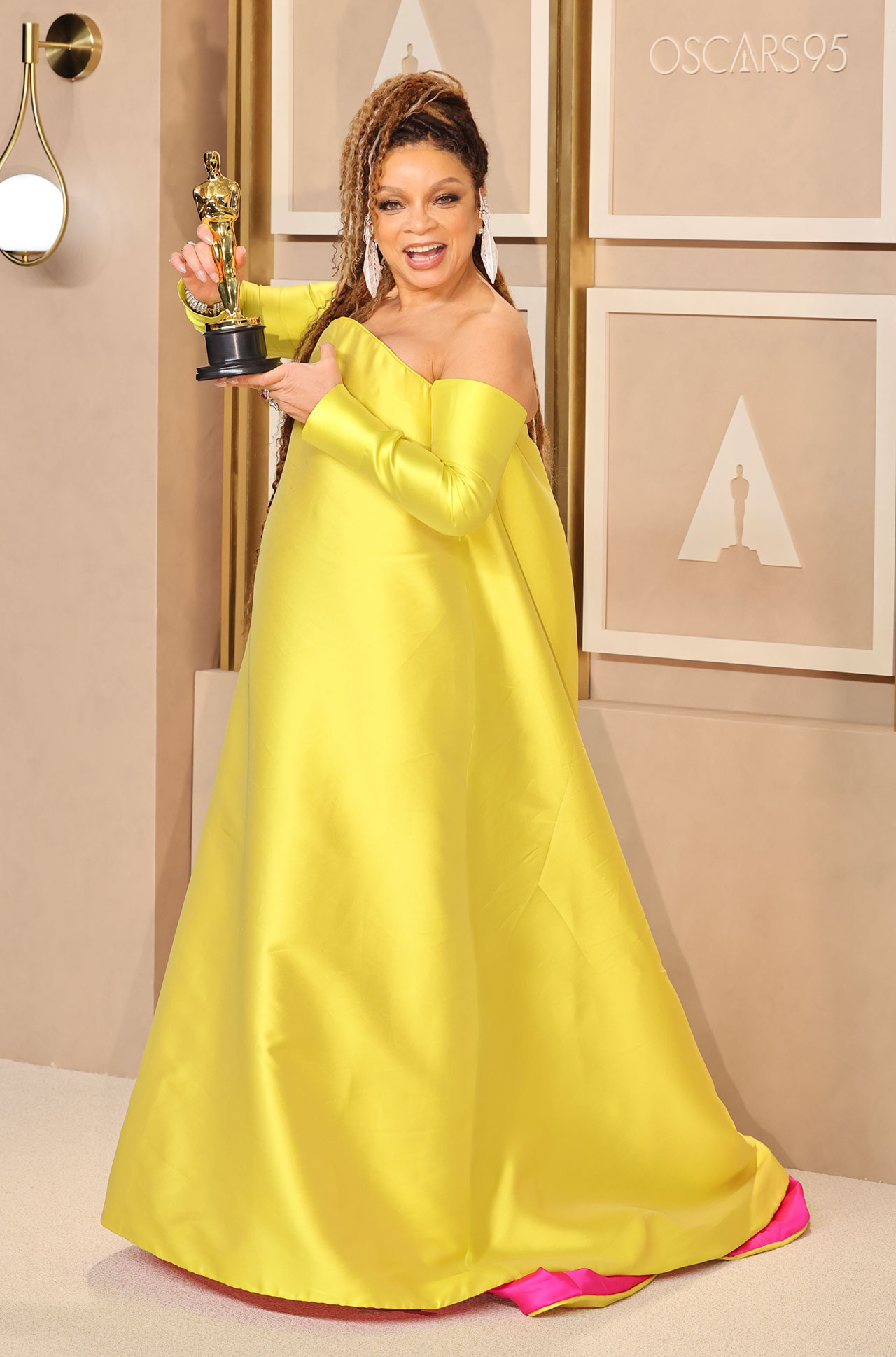
Image courtesy of Getty (Photo by Rodin Eckenroth/Getty Images)
Ruth E. Carter
Ruth E. Carter’s work has reshaped how film tells stories about culture, afrofuturism, and history. A graduate of Hampton University, she initially pursued acting before discovering costume design through the school’s wardrobe department, later apprenticing at the Santa Fe Opera and relocating to Los Angeles. Her film career launched in 1988 when Spike Lee recruited her to design School Daze, marking the beginning of a decades-long collaboration that spans 14 films. Carter’s expansive body of work includes Malcolm X, Amistad, Coming 2 America, and the Black Panther franchise, for which she won Academy Awards for Best Costume Design for Black Panther and Black Panther: Wakanda Forever, and most recently Sinners which she was nominated an Oscar for Best Achievement in Costume Design. A master visual storyteller, Carter uses costume as a tool of cultural memory and political expression, cementing her influence across generations of cinema. Her work is also currently on display at the African American Museum in Philadelphia showcasing over 80 of her costumes, sketches, and artifacts.
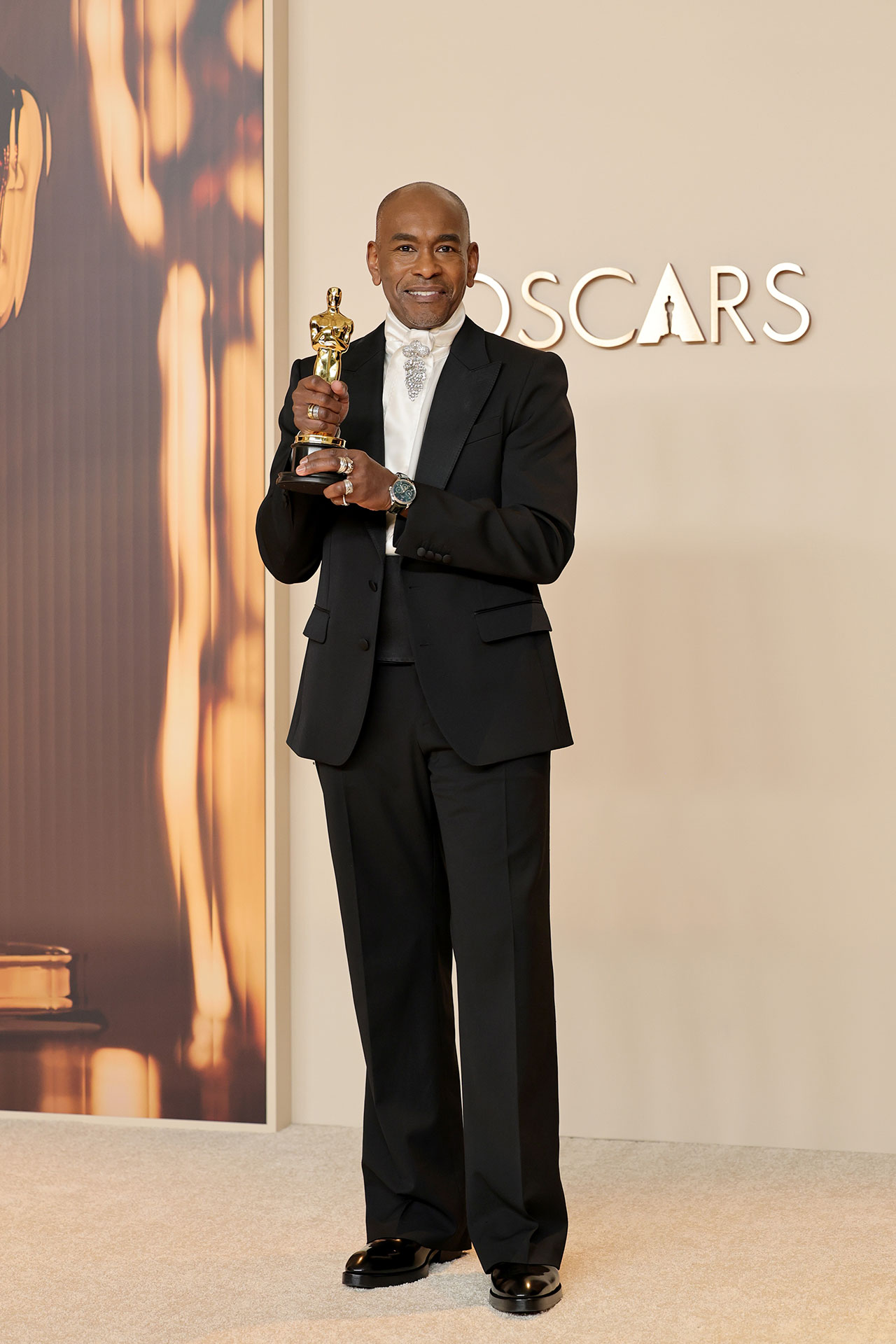
Image courtesy of Getty (Photo by Maya Dehlin Spach/Getty Images)
Paul Tazewell
Paul Tazewell’s work moves fluidly between theater and film, using clothing as a powerful tool for storytelling, character, and cultural expression. Trained at the University of North Carolina School of the Arts and NYU’s Tisch School of the Arts, he first made his mark on Broadway with Bring in ’da Noise, Bring in ’da Funk, before shaping the visual language of productions like Hamilton, The Color Purple, and MJ the Musical. His impact extended seamlessly into film: for Wicked Tazewell won both the BAFTA Award and the Academy Award for Best Costume Design for the first film, making history as the first Black man to win an Oscar for Costume Design, and only the second Black costume designer to win overall, following Ruth E. Carter.
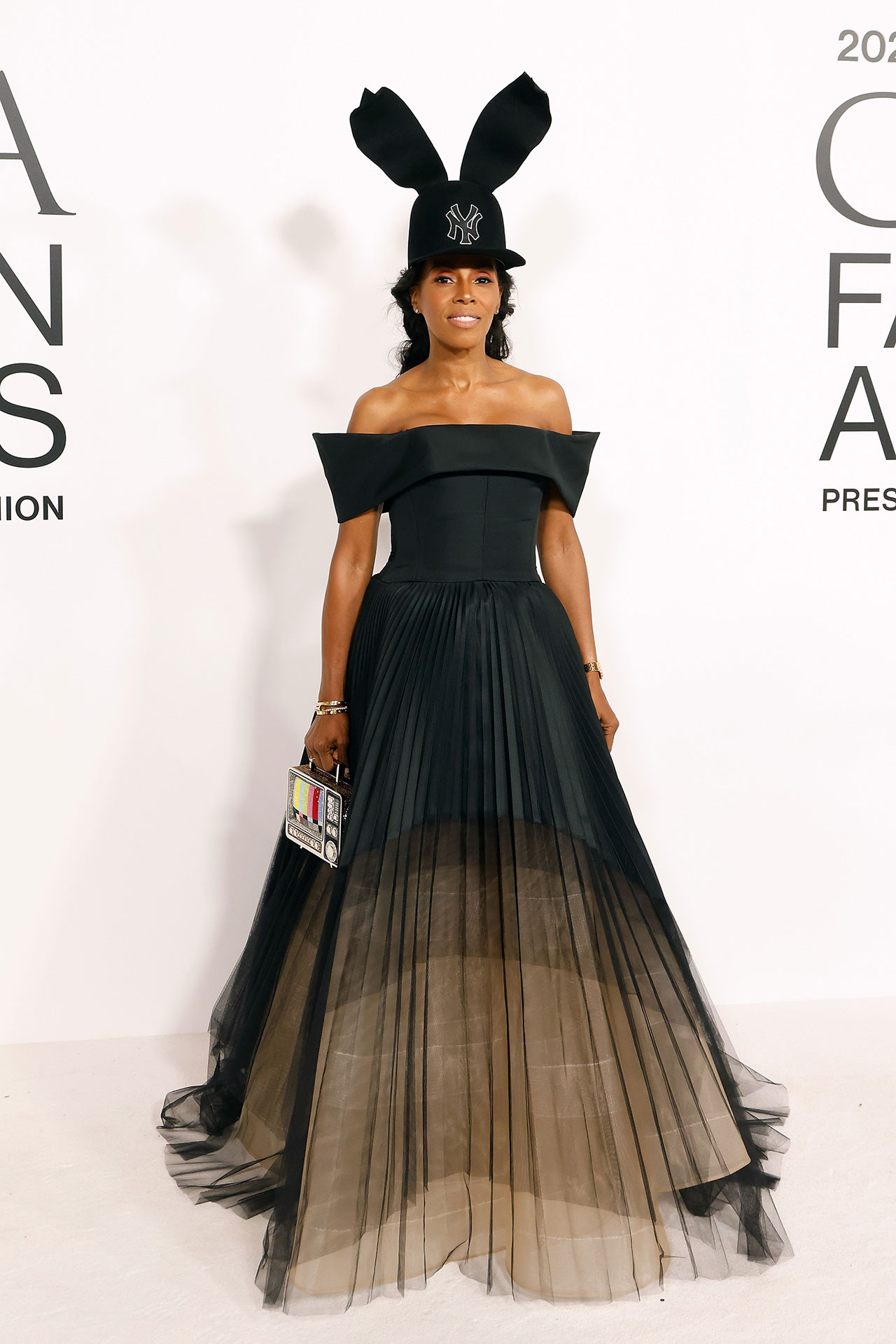
Image courtesy of Getty (Photo by Taylor Hill/FilmMagic)
June Ambrose
June Ambrose’s work helped define the visual language of hip hop and fashion over the past 25 years. A graduate of New York’s famed LaGuardia High School of Music & Art and Performing Arts, Ambrose discovered costume design early in the theater department, where she learned how clothing could build character and narrative. She briefly worked in investment banking before pivoting to Uptown/MCA Records, where she landed her first styling job and quickly became a go-to for artists shaping music culture. From designing costumes for Belly with Hype Williams to styling era-defining visuals for Missy Elliott, Busta Rhymes, and others, Ambrose built a blueprint that continues to influence fashion today. She was also the creative director of women’s basketball at Puma, creating the first-ever women’s basketball clothing line released by the company.
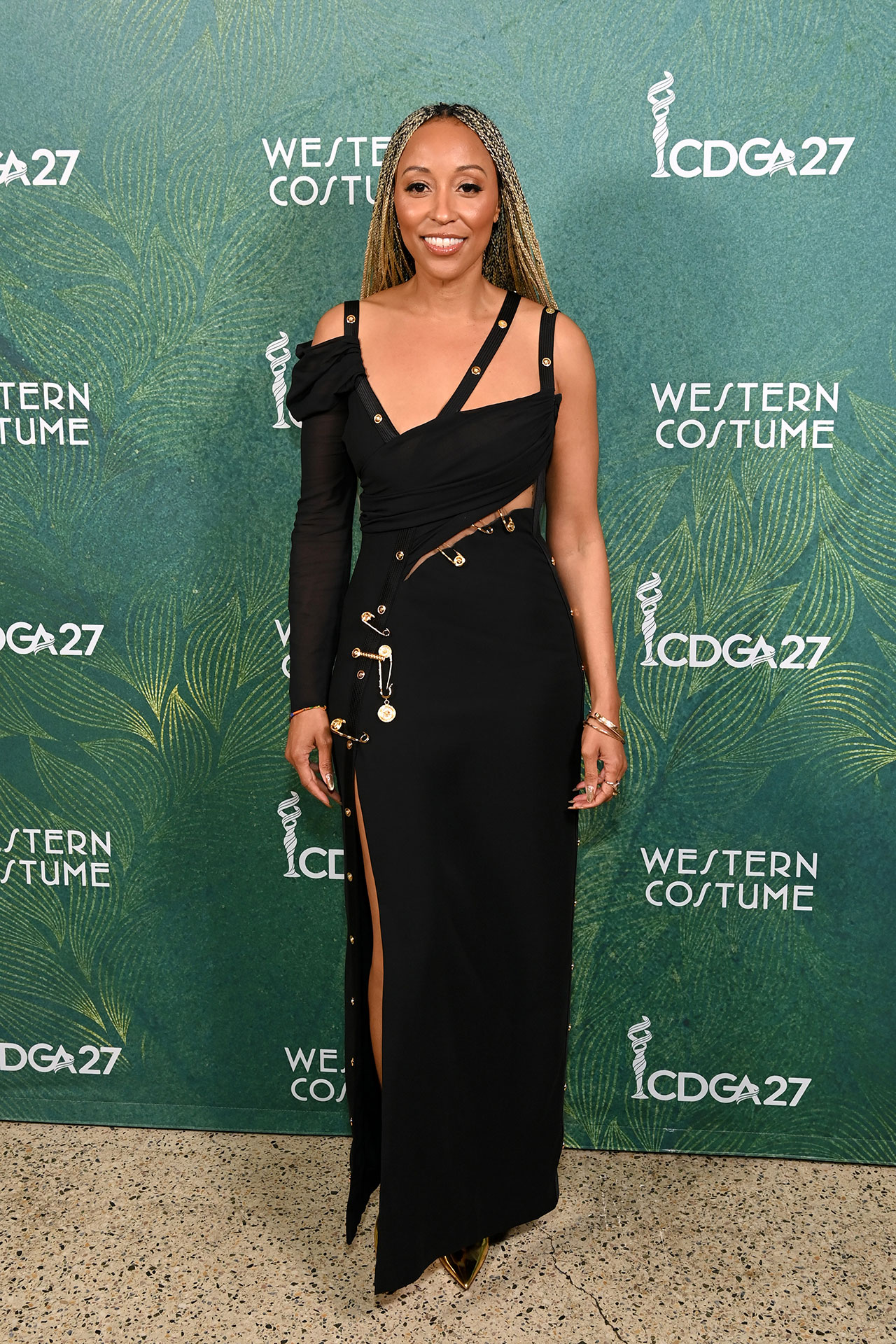
Image courtesy of Getty (Photo by Jon Kopaloff/Getty Images for CDGA)
Shiona Turini
Shiona Turini’s work bridges film, television, and music, shaping some of the most culturally resonant images of the past decade. Bermuda born and a graduate of Loyola Marymount University, Turini began her career working across music and fashion, including collaborating with Carine Roitfeld on the launch of CR Fashion Book and holding senior roles at Teen Vogue and W Magazine, as well as serving as Fashion Director of Cosmopolitan. She later turned to costume design, becoming the lead costume designer for seasons three and four of HBO’s Insecure, Queen & Slim, which earned her a Costume Designers Guild Award nomination for Contemporary Costumes. Alongside her work on screen, Turini has played a pivotal role in music culture as the lead stylist for Beyoncé’s Renaissance and Cowboy Carter world tours that earned her an Emmy Award. Her music credits also include shaping the visual worlds of Solange Knowles’s Don’t Touch My Hair and Cranes in the Sky. Across every medium, Turini’s work centers identity, emotion, and culture with intention.
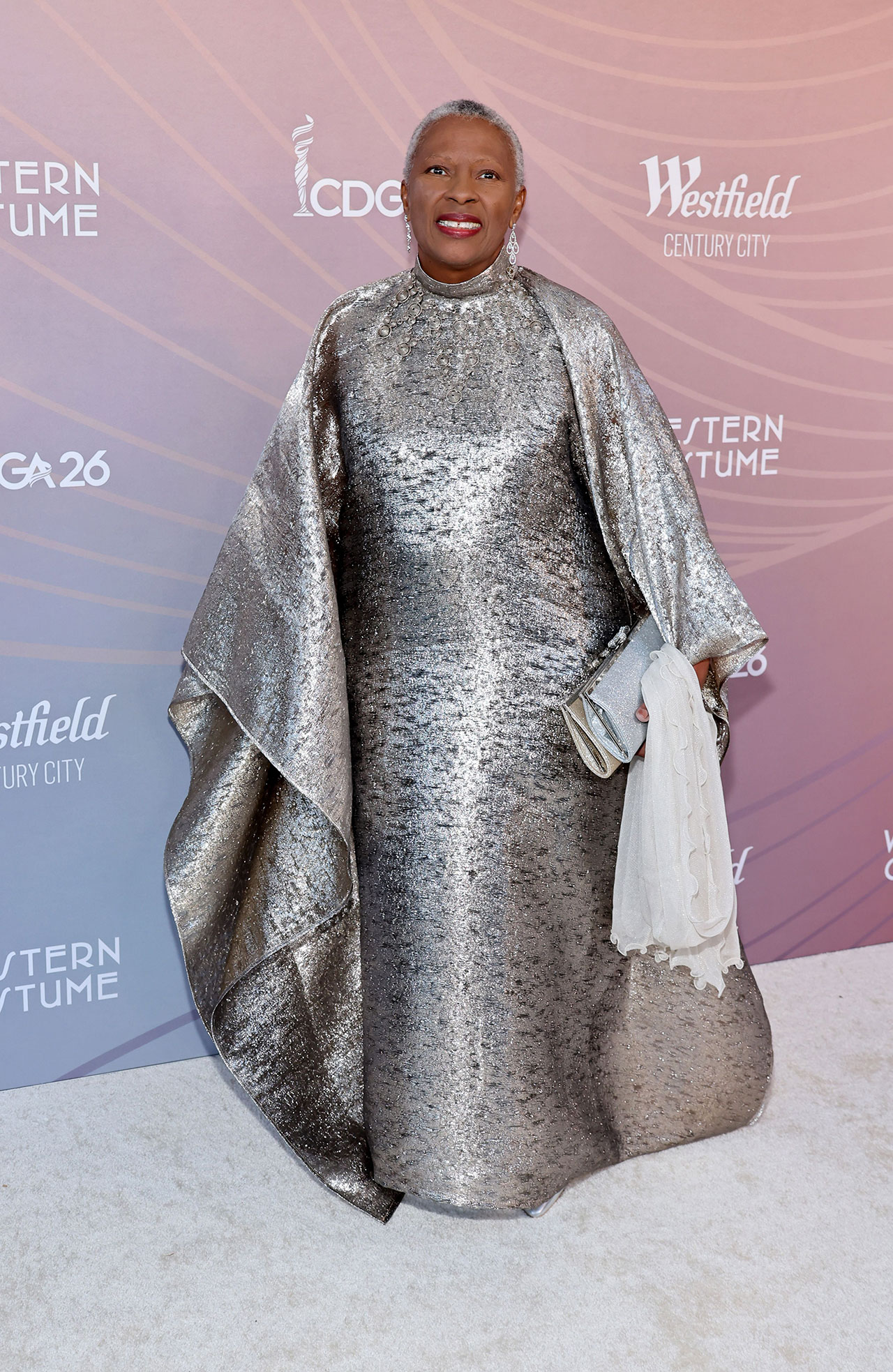
Image courtesy of Getty (Photo by Amy Sussman/Getty Images)
Francine Jamison
Francine Jamison-Tanchuck’s career spans more than five decades and over 60 films, quietly shaping the visual storytelling of American cinema. Her work ranges from beloved classics like Sister Act 2 and First Daughter to more recent, critically acclaimed projects including Just Mercy, The Color Purple, and They Cloned Tyrone. Known for her ability to support story and character with precision rather than spectacle, Jamison-Tanchuck has built a body of work defined by range, restraint, and cultural resonance. In 2024, her enduring influence was formally recognized when she received the Career Achievement Award at the Costume Designers Guild Awards, cementing her legacy as one of the industry’s most quietly influential figures.
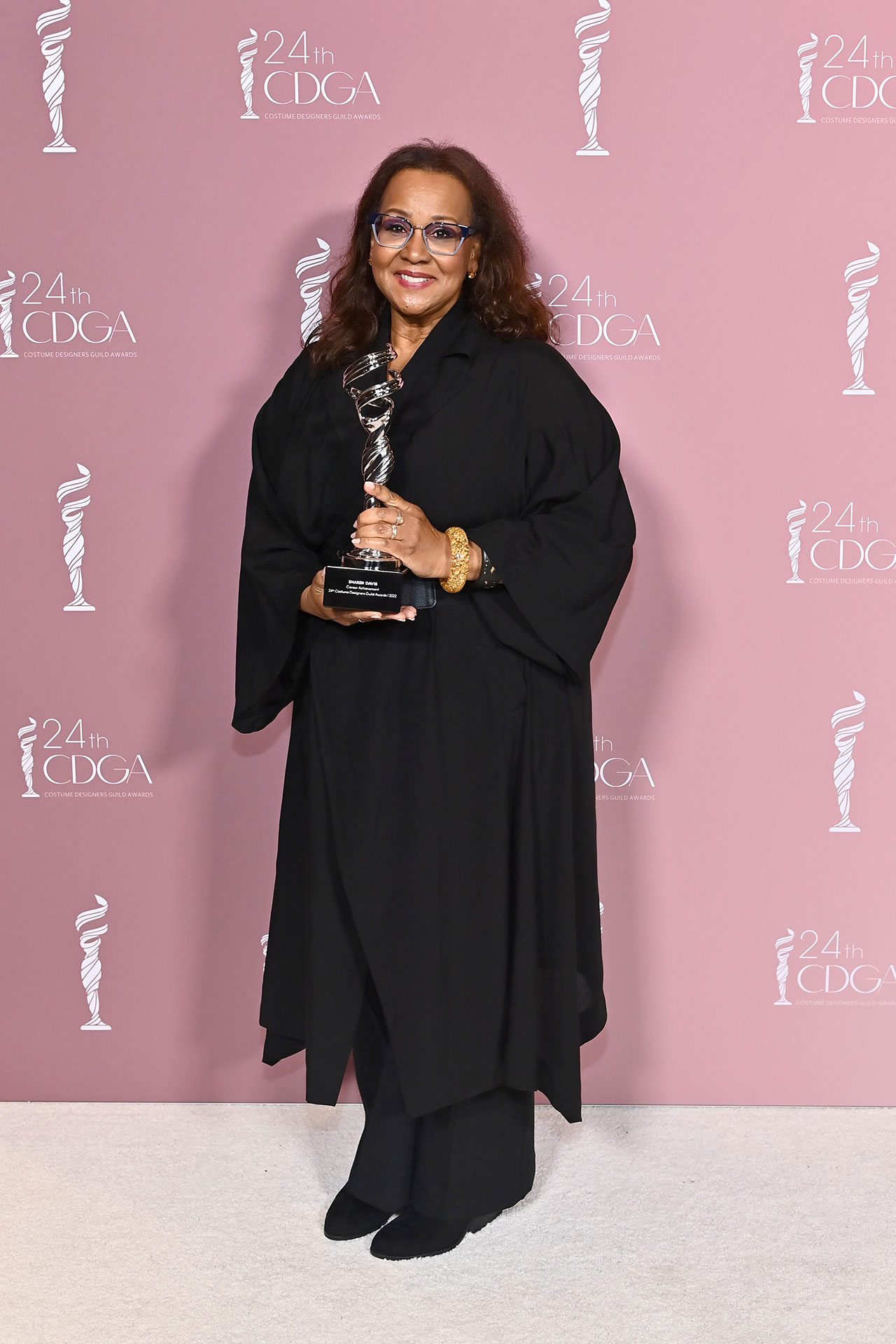
Image courtesy of Getty (Photo by Stefanie Keenan/Getty Images for CDGA)
Sharen Davis
Sharen Davis’ work is defined by precision, emotional depth, and an instinct for character-driven storytelling. She began her career as an acting major at the Pacific Conservatory of the Performing Arts, where her understanding of performance led her naturally into costume design as a narrative tool. Davis earned her first Academy Award nomination for Ray and her second for Dreamgirls, crafting costumes that became inseparable from the films’ iconic performances. Her work in television has been equally influential, earning Emmy nominations for HBO’s Watchmen and Westworld, the latter of which won her a Costume Designers Guild Award. Across film and television, Davis is known for building richly detailed worlds that elevate story, performance, and atmosphere.
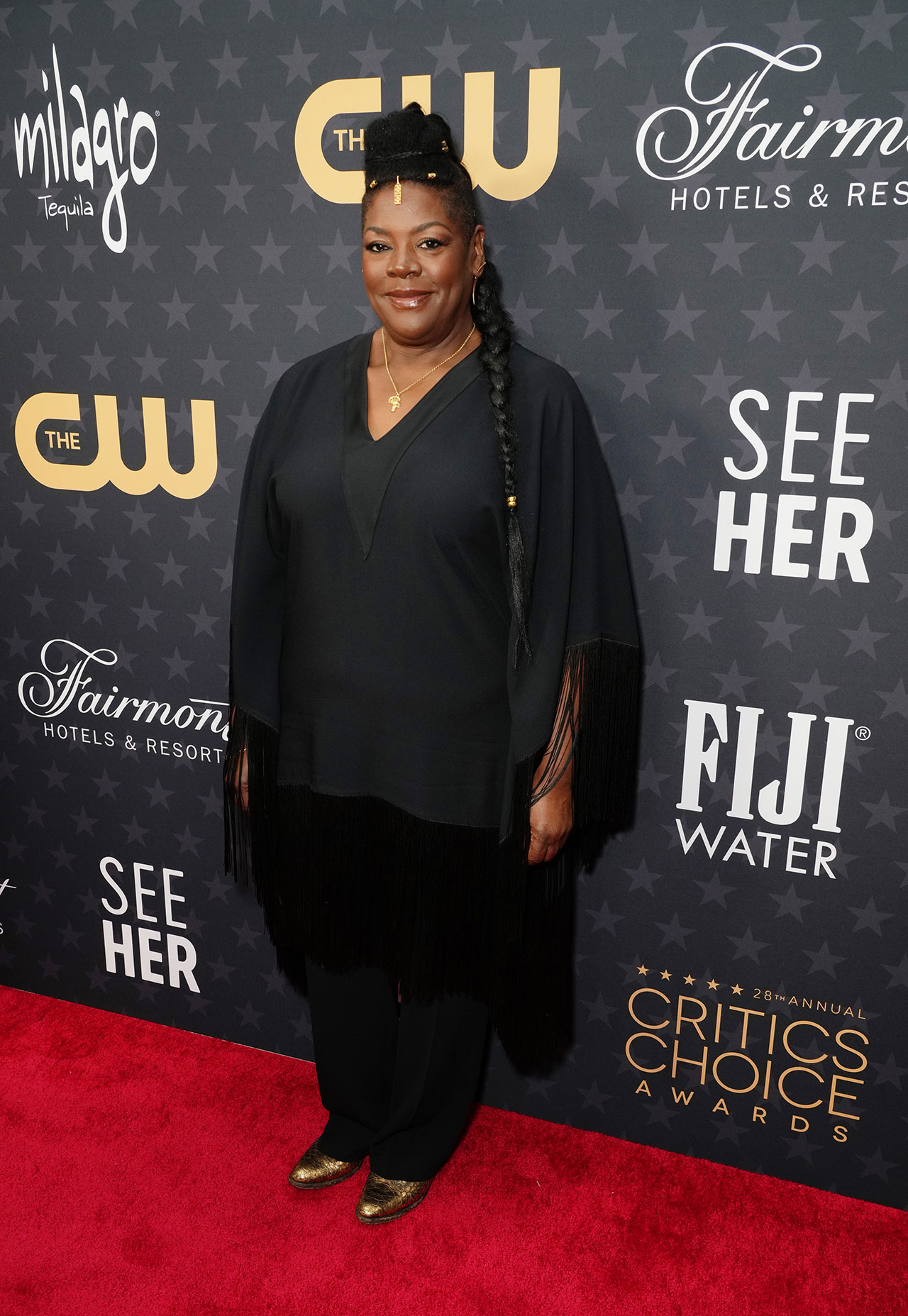
Image courtesy of Getty (Photo by Kevin Mazur/Getty Images for Critics Choice Association)
Gersha Phillips
Gersha Phillips is known for building future-facing worlds grounded in character and craft. Born in England to Caribbean and African parents and raised in Canada from the age of twelve, Phillips began her career in the mid-1990s working in costume departments before moving into design through short projects and independent work. She rose to international prominence as the costume designer for Star Trek: Discovery, along with Star Trek: Short Treks, Star Trek: Strange New Worlds, and Star Trek: Section 31, redefining sci-fi costuming through a distinctly contemporary lens. Her work on Discovery earned her multiple Costume Designers Guild Award nominations for Excellence in Sci-Fi/Fantasy Television. Beyond television, Phillips has brought the same world-building precision to films including The Woman King, Captain America: Brave New World, and House of Cards.
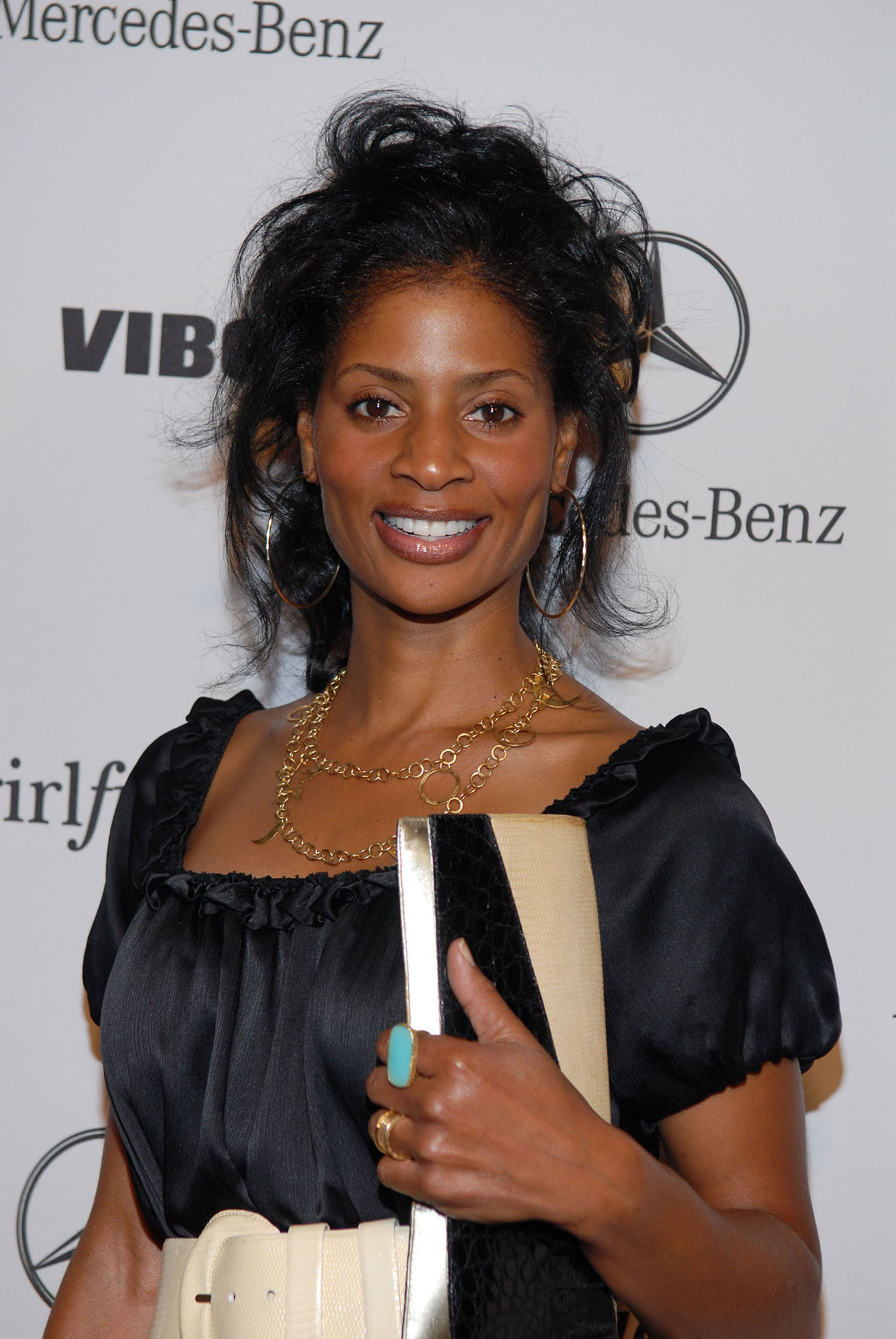
Image courtesy of Getty (Photo by Malcolm Ali/WireImage)
Stacy Beverly
Stacy L. Beverly’s work has helped define some of television’s most recognizable characters and visual eras. A Chicago native and graduate of FIDM in Los Angeles, where she studied Merchandise Marketing and Costume Design, Beverly began working immediately in film and television, building a reputation for creating looks that are both character-driven and culturally resonant. With more than two decades in the industry, she is best known for shaping the iconic style of Girlfriends, a show whose fashion influence continues to echo today. Her credits also include heading the costumes for Black-ish (Season 1), The Game (Seasons 1–3), the Amazon Prime series Cross, and Ava DuVernay’s Middle of Nowhere. Known for her deep knowledge of fashion history, movement, and silhouette, Beverly approaches costume as world-building, creating characters that feel timeless.
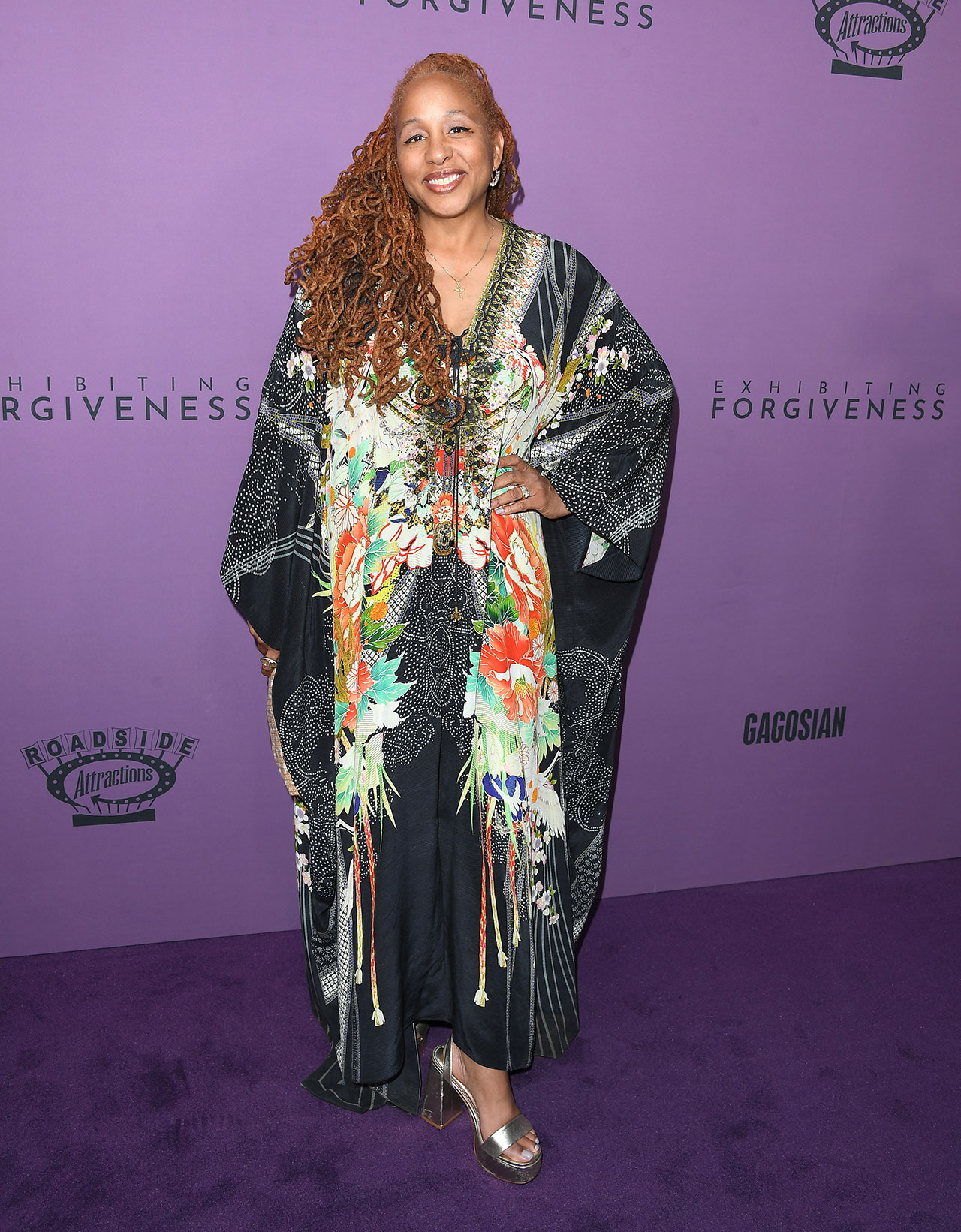
Image courtesy of Getty (Photo by Steve Granitz/FilmMagic)
Deirdra Govan
Deirdra Govan’s work is grounded in storytelling, texture, and lived-in realism. She studied fashion design at Parsons School of Design, where early exposure to costume theory and history expanded her approach beyond fashion. Govan’s entry into the industry came through theater, after a friend connected her to an agent. She began on Broadway in wardrobe, earning her union card while dressing, aging, dyeing, and constructing costumes by hand. She got a call to work on a show, which marked her transition into television and film, where she has worked ever since. Known for shaping worlds, Govan’s recent work includes Harlem, Sorry to Bother You, and Exhibiting Forgiveness.
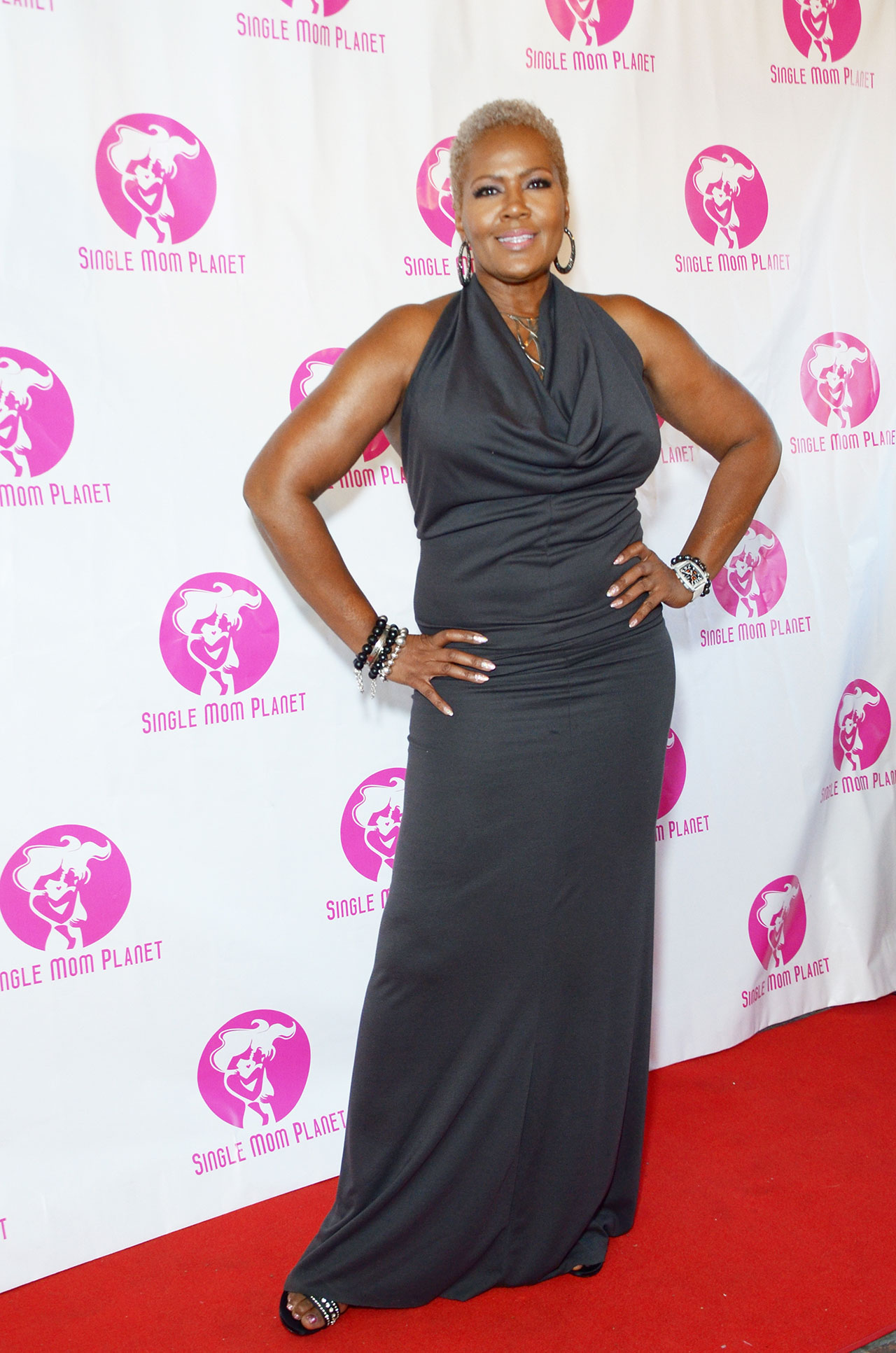
Image courtesy of Getty (Photo by Beck Starr/WireImage)
Yolanda Braddy
Yolanda Braddy grew up in Cincinnati with a passion for design, creating clothes from the age of 13 before setting her sights on Los Angeles and a career in costume design. After relocating to LA, she got her start by working as a background actor, using time on set to learn how television and film productions operate from the inside. While appearing regularly on Star Trek: The Next Generation, she built relationships within the costume department that led to a role at NBC and later to work as an assistant costume designer and shopper on General Hospital. Braddy went on to become the costume designer for Moesha and its spin-off The Parkers, helping define the show’s now-iconic 1990s style and its celebration of Black designers, an aesthetic that still remains influential today. Her credits also include Space Jam, further cementing her impact on pop culture.

