Behind the Image is an ongoing MODELS.com series taking a more personal look at both established and emerging creative talent.
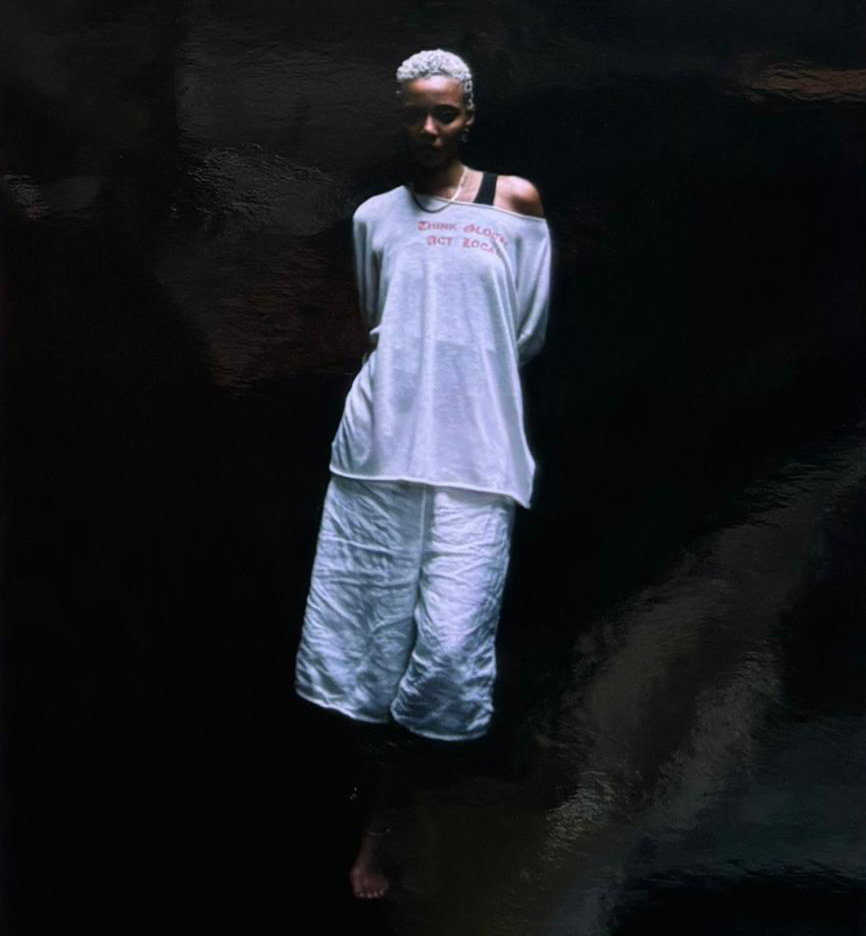
Manu Loca by Gabriel Moses | Image courtesy of fe Creatives
Manu Loca, Movement Director
Hometown: Didier (Fort-de-France) in Martinique
Based: London
Representation: fe Creatives
How would you describe your work? What’s your trademark?
I would say my work is kind of an anthropological project, ultimately always evolving, as we all do. It is deeply rooted in understanding people, what makes us feel, want, dream, crave, fear, everything. Because they all affect each other and can tell us a lot about people, they also help create the narrative you want to explore, within them as well as with them. I think that’s the goal for me, allowing us to relate to one another and see ourselves in each other. As I’ve said before, challenging emotions, disturbing perceptions, and shifting perspectives remain at the core of what I do.
What sparked your interest in movement direction, and was there a defining moment that made you pursue it professionally?
Originally, I wanted to be a photographer and reporter, haha. I studied Politics and then went on to Culture & Curation studies. I guess you could say the interest in our world and people was always there. I fell into the creative world when I relocated to Canada and began working on set as an assistant to the art director. When I moved to London, I had a good background in research and set work, which secured me a few jobs in creative direction and research for friends. Consistency led me to work with Yagamoto, which resulted in a two-year collaboration. I felt intrigued by movement, in general, because I liked its ability to help craft stories and narratives that could feel as familiar as they are challenging to the people you are directing and to your audience. After my first solo shoot with Gabriel (Moses), which was a tribute to Virgil (Abloh) for Replica Man, I knew I had found something that spoke to me, as well as someone I could grow with.
Your work spans movement direction, art direction, and image consultation. How do these disciplines inform one another when you’re shaping a final visual narrative?
I would say that they work as one. It’s hard for me to look at them as independent of each other, when each one, respectively, affects the other during the process.
You’ve worked closely with Gabriel Moses for HommeGirls, Louis Vuitton, and AnOther Man Magazine, and more. What’s your collaborative process like?
Gab (Moses) and I have gotten to a point where we trust each other so much on set that we barely talk when we work, unless it’s during lunch break, haha. We have honest conversations, and that is something we have always had. I think that’s what makes our collaboration and work so fluid. We understand each other very well, and having worked with him for so long, I often now foresee what he wants from a specific project, person, or scene. This, on top of him being one of my closest friends and family, has allowed us to create work that not only speaks to us as collaborative minds, but also transcends our bubble. It translates by reaching so many people all over the world. That’s the win, really.
What non-fashion influences (art, film, literature, music, etc.) shape your creative perspective?
My home. The Caribbean is where I grew up, and it grounds me. It is a place of immense cultural diversity, which has stimulated my desire to learn about the world for as long as I can remember. I draw a lot from there, whether it is our way of walking, standing, talking, our energy, and our spirituality overall. Films are also one of my biggest influences when it comes to my creative language. It remains one of my favourite media to convey emotions, tell stories, and challenge minds. A lot of my inspiration comes from the feelings I experience while watching some of my favourite movies. Another big influence is art and paintings. I love looking at poses and compositions from painters throughout history. You can learn a lot about the way people perceive and portray things and people over time.
What are some of the biggest challenges you’ve faced professionally, and how have they shaped your growth?
I’d say that one of them was definitely thinking that I needed to mold myself to fit in, to change in order to be accepted or taken seriously. I’m not a big personality in the sense that I don’t like the spotlight, but I do make myself heard in other ways, which I have found to be as valuable, if not more effective, over time.
How do you use movement to convey emotion in a campaign or editorial?
When on set, my work is more about merging composition and stage direction. I never just focus on the person I am directing. I need to see the set, the props, the clothes, the light, and sometimes those get altered or changed because of the composition I am creating. I’m not sure I should say this, although I try to look at the creative as little as possible. Honestly, sometimes I don’t. I find meeting the people I am directing face-to-face on the shoot day much more helpful. Understanding where they came from, the mood they are in, their personality, their background, and then complementing it with the rest of the crew’s work. The idea is never to erase the person you are directing, but rather to take everything you have learned from them, all the energy you are getting, and create your own story with them, one that won’t feel so alien because it was made with them. I truly believe this helps create a certain intimacy and trust on set, which allows all of us to craft a more visual reach with relatable stories.
What’s one thing outside of your work that you would like people to know about you?
I also do documentary photography, and I’m working on my first solo show.
How has the role of movement evolved in fashion, and how do you see it shaping the future of storytelling in the industry?
The movement director’s role has definitely evolved into an important part of the industry for necessary reasons. There is something very performative and profit-driven about our industry, and many connections can feel transactional rather than genuine. The human and creative side of things are often pushed to the sidelines. I think movement, at least the way I approach it, can stimulate and recenter those human aspects and feelings that allow us to relate to and see ourselves and others. Movement can help a person feel seen, heard, safe, and involved, rather than just a mannequin and a means to make money. It helps craft stories and narratives that are both familiar and unknown. For this very reason, I think it should be valued, and I can see it evolving into already existing professions such as stage direction and art direction. However, I would say that there still aren’t enough women highlighted in the profession, despite their evident presence, which I hope will change in the future.
Who do you think is one to watch?
Léa Ceheivi.
Selected Work
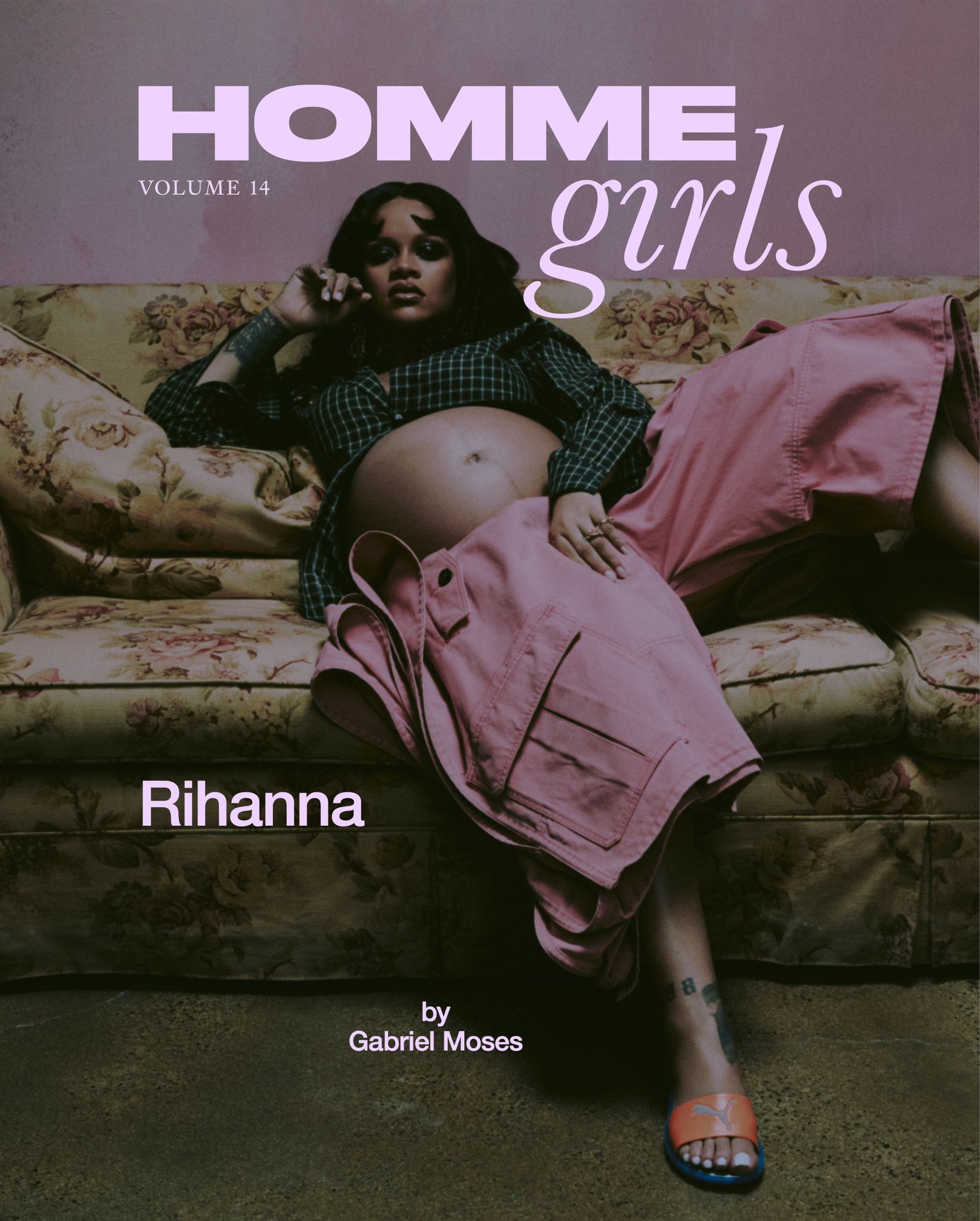
Rihanna by Gabriel Moses | Image courtesy of fe Creatives
HommeGirls Volume 14 2025 Covers
I chose this image because I grew up listening to Rihanna’s music, and I’m also a girl from the Caribbean who has always looked up to her. Felt like a full circle moment.
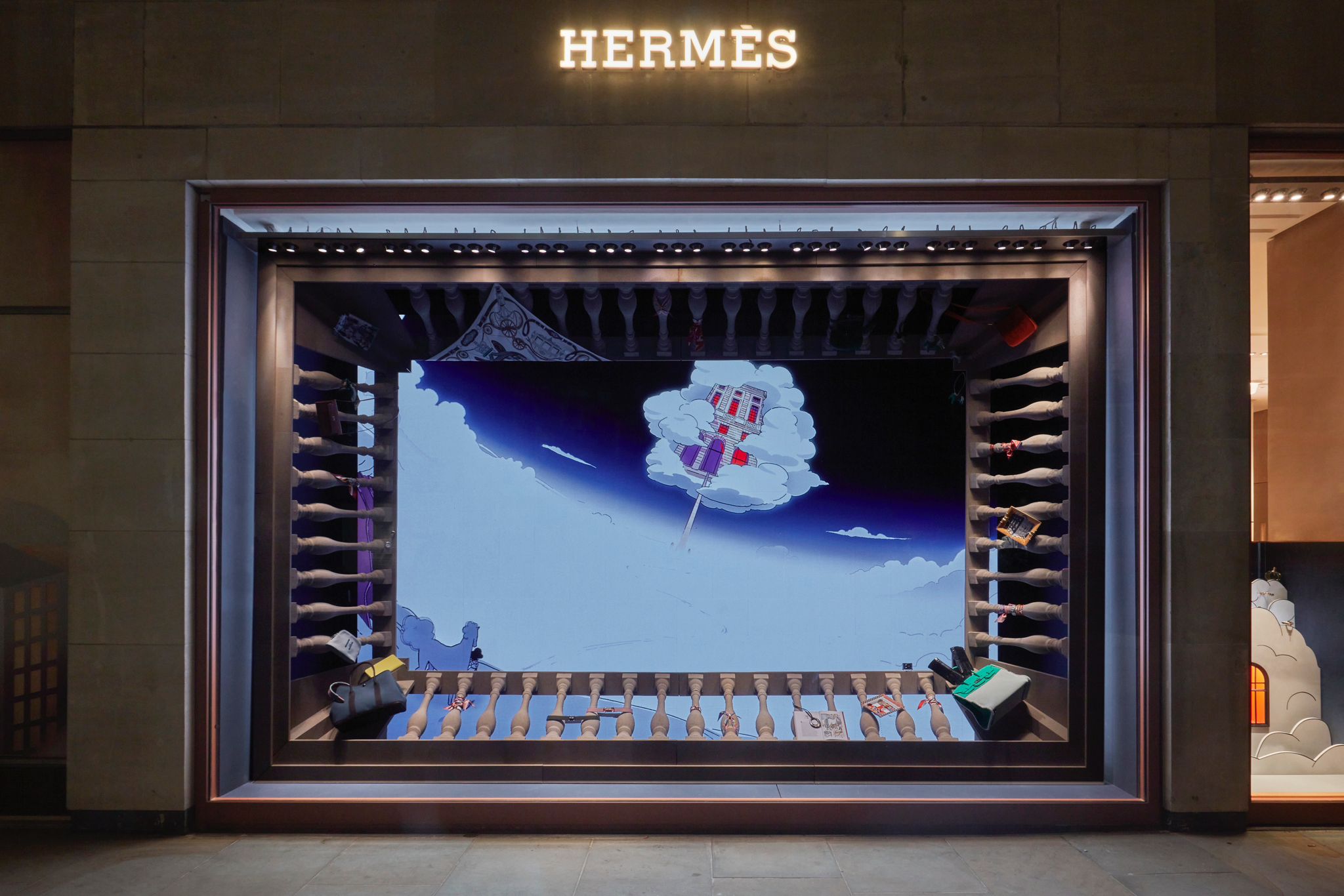
Image courtesy of fe Creatives
Hermès Christmas Windows 2024
My first major step into art direction, something I am now trying to focus on more. It was not only a beautiful project in collaboration with people I admire, but also an opportunity for me to show what else I can do.
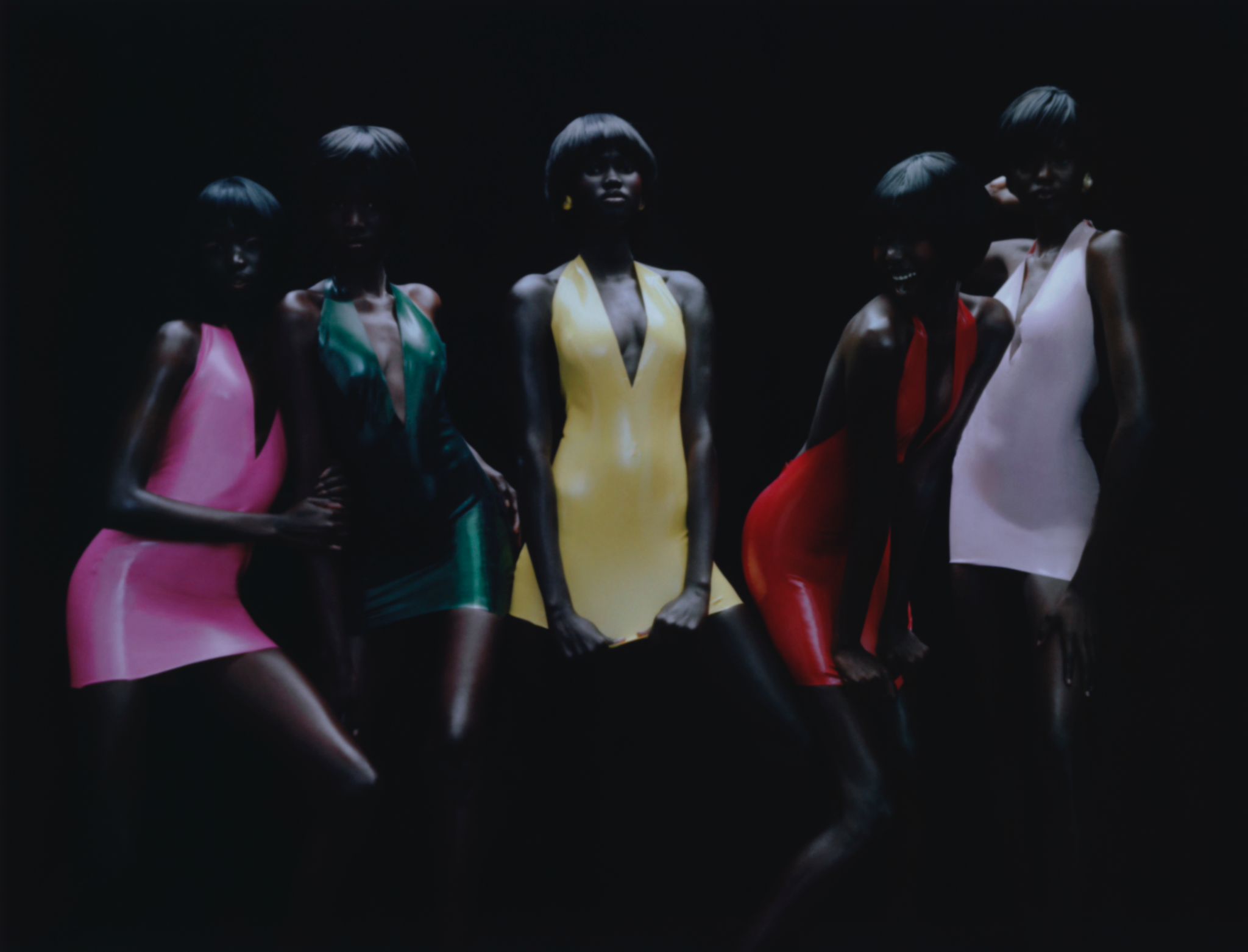
Adit Priscilla, Migoa Guol, Nyaduola Gabriel, Nyagoa Diu, Nyakong Chan by Gabriel Moses | Image courtesy of fe Creatives
Selah
I made some of my best work for this exhibition, and this is one of my favourite photos out of it. Working with friends and making beautiful work. Plus, the girls had fun, which is always the goal!
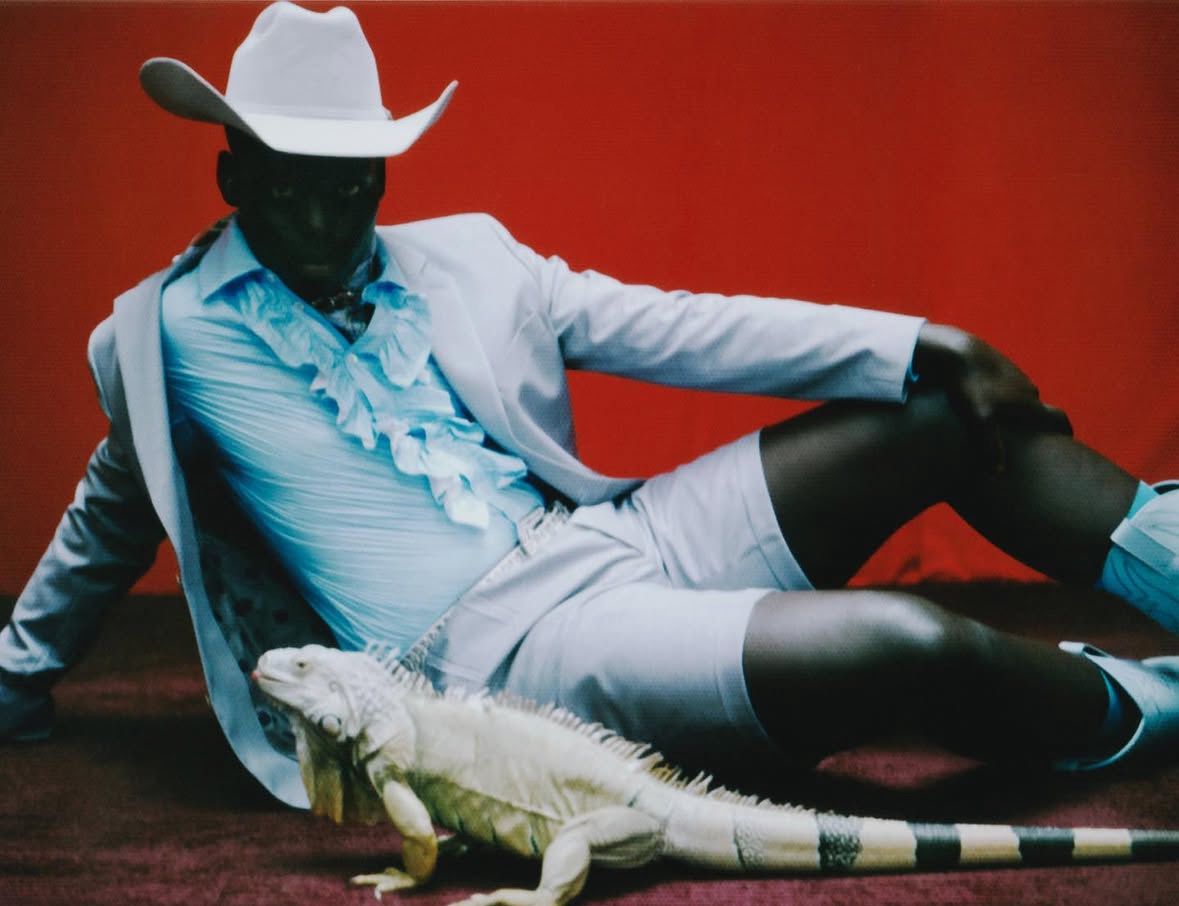
Fabio Rosario by Gabrel Moses | Image courtesy of fe Creatives
Replica Man Magazine
I chose this one for two reasons:
1) It was my first solo shoot with Gab (Moses), and it marked the start of a great collaboration and friendship.
2) I wanted to show my love of cinema. I drew inspiration from Western movies, such as those featuring Sidney Poitier and Clint Eastwood, as well as Romeo and Juliet, for this shoot. To this day, it is still one of my favourites.
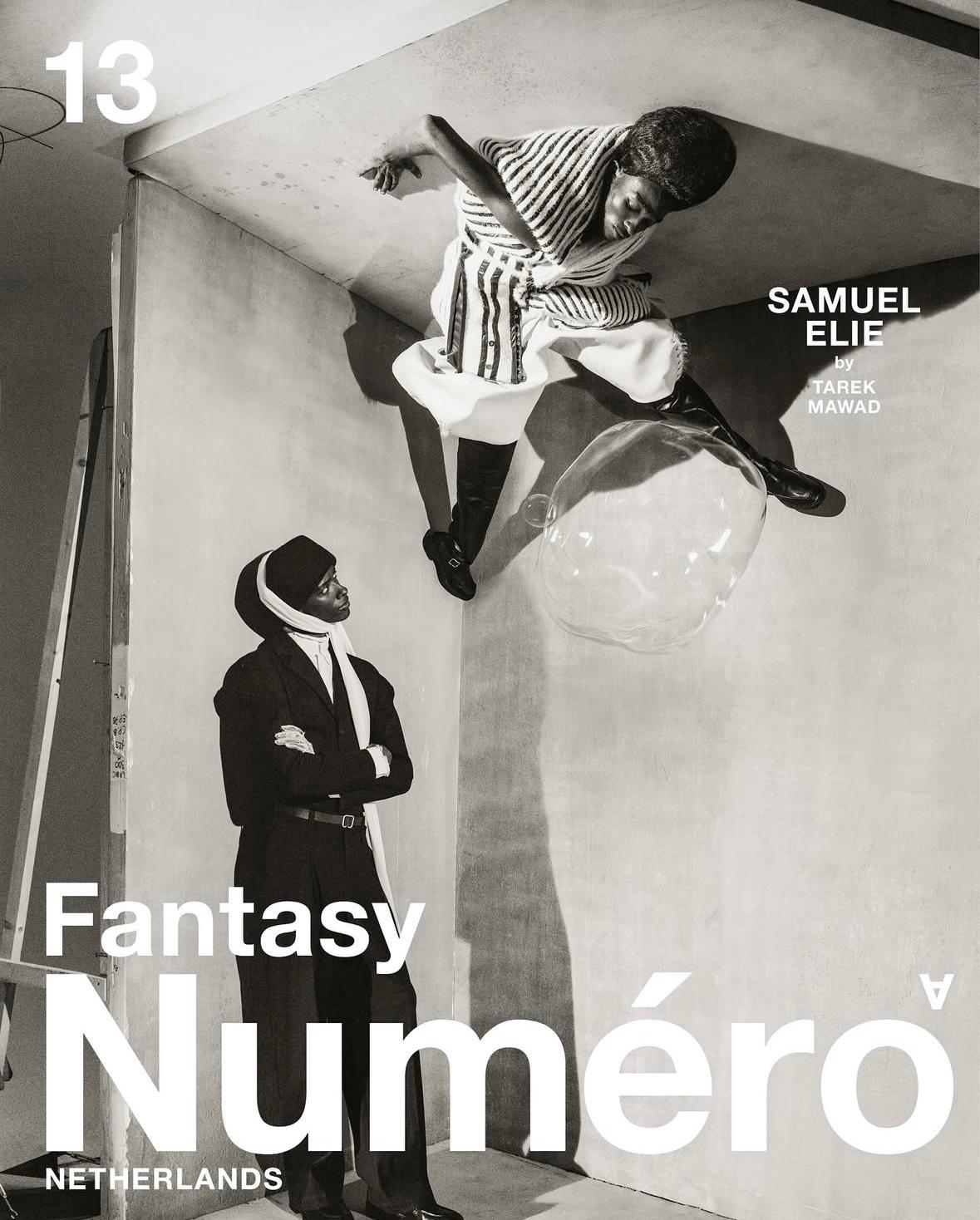
Samuel Elie by Tarek Mawad | Image courtesy of fe Creatives
Numéro Netherlands #13 October 2025 Covers
I chose this one because the movement was different from anything I had ever done. Dreamlike and born from fantasy, dreams, and sleep paralysis, it shows the range of stories you can have when experimenting.

