Behind the Image is an ongoing MODELS.com series taking a more personal look at both established and emerging creative talent.
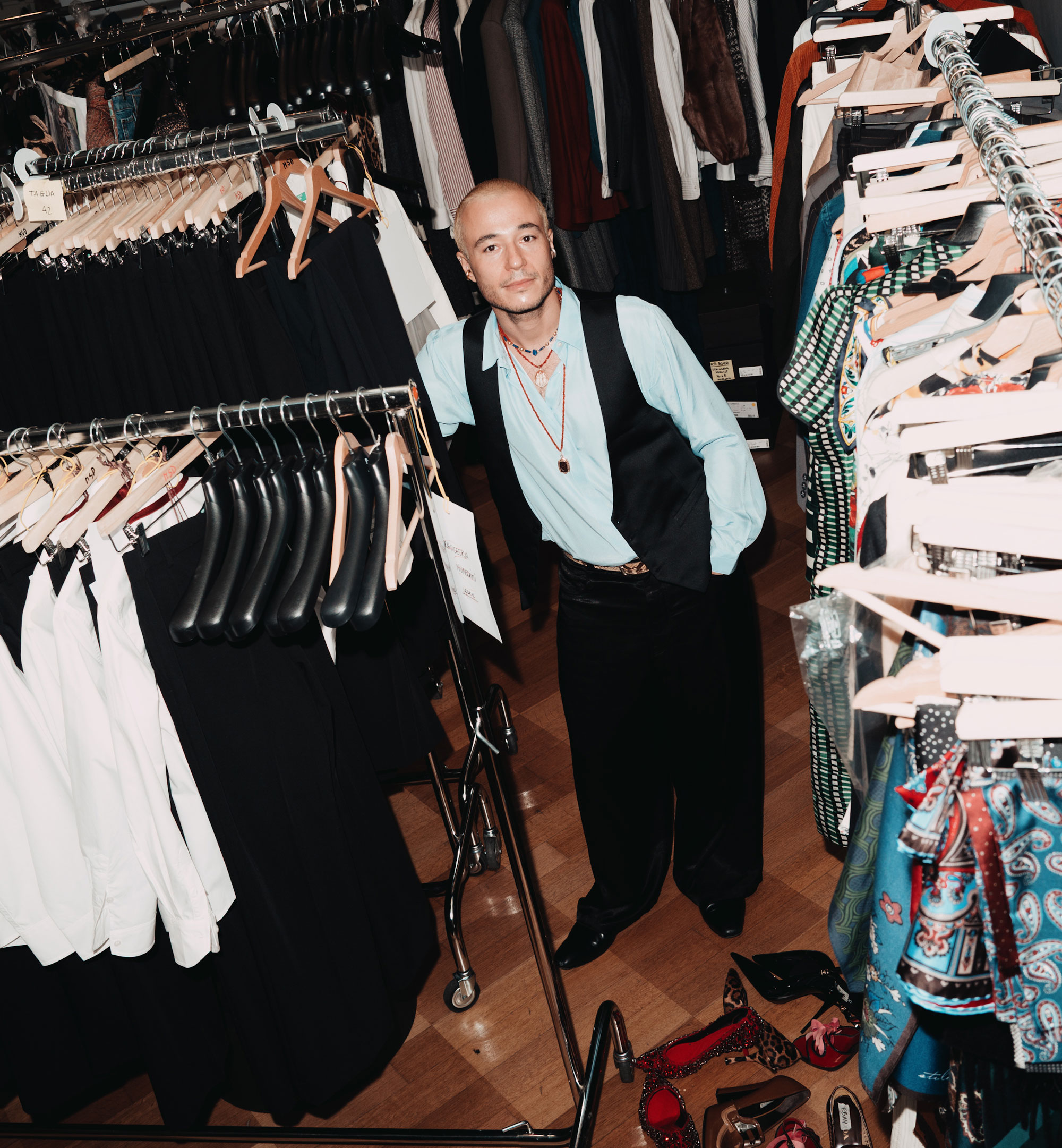
Luca Galasso by Lucas Possiede | Image courtesy of Streeters
Luca Galasso, Stylist
Hometown: Avigliano, Basilicata
Based In: Paris and New York
Representation: Streeters
What sparked your interest in styling, and was there a defining moment that made you pursue it professionally?
I have always loved images and anything visual. I have also always had a strong interest in clothing, fabrics, costumes, makeup, and, more generally, anything related to the visual world. From an early age, I loved visiting churches and standing inside them, looking at paintings and statues of the Virgin Mary and the saints, and admiring their beautiful garments. I would buy fashion and bridal magazines and dream about the beautiful images inside them. I come from a very remote area in the south of Italy, so I didn’t even know that the profession of a stylist existed. I clearly remember opening fashion magazines, turning to the editorial sections, and saying to myself, “I want to do this.” I knew I didn’t want to be a designer or a photographer, but I knew I wanted to work with those images. At 19, I moved to Rome after receiving a scholarship to study dance. At the time, I was a ballet and contemporary dancer. It was there that I finally discovered the stylist, the person behind those amazing images. It felt quite natural to leave everything else behind and pursue a career I had been dreaming about for a long time. So, I moved to Milan to study fashion styling.
I read that you started your career at Jil Sander. What did that early experience inside a fashion house teach you that still shapes the way you style today?
My first internship was at Jil Sander, during Raf Simons’s creative direction. They needed someone to help dress the models in preparation for the menswear show. It was my first real experience in fashion, and I remember loving every minute of it. Raf and the design team were incredibly kind, and I was astonished by their knowledge of the garments and how they were constructed. Their attention to detail, particularly in how the garments fitted the body, really inspired me. I think that attention to detail is something I still apply to my work today.
How would you describe your work? What’s your trademark?
I love mixing something classic and elegant with something edgier and more artistic. I love exaggerated shapes and, overall, a powerful yet dramatic look infused with nostalgia. I’m a maximalist and a romanticist. I love layering clothes, clashing colors and prints, and using accessories to emphasize a silhouette or an idea. I have fun with clothes, sometimes using them in ways they weren’t originally intended, giving them an entirely new spirit.
You were one of the co-stylists for Vogue World Milano. How far in advance did you start preparing? What did the process look like, from pulling looks to final fittings, and what was the biggest challenge leading up to the night?
This was my third Vogue World as a stylist, but somehow, because it was taking place in my home country and in Milan, a city I feel very close to, it felt much more personal. I started working on it actively in February, and from then on, I was involved every week, sometimes every day. It’s difficult to describe the process because the show is so singular and involves so many different aspects and intersections that there isn’t just one way of approaching it. Generally, I start by brainstorming, keeping in mind the overall theme of the show, the section I’m curating, or the specific person I’m dressing. It’s very different when you’re dressing models, talents, dancers, or singers. I then conduct extensive research into current collections and archives, sometimes using reference images simply as a way to illustrate an idea. After that, I discuss everything with the team during our weekly meetings. We then work on getting the fashion houses and designers on board, especially when it comes to custom-made pieces. The biggest challenge this time was the number of custom pieces I asked designers to create. Sometimes, I really had to pull strings and ask people to trust me, even when I couldn’t reveal too much about the project or when the number of custom pieces I was requesting was particularly high.
To mention just a few examples, it was only in early September that I asked Francesco Risso of Bureau of Imagination to create that beautiful Art Form piece for Alicia Keys’s performance. Francesco and his team prepared that stunning look in less than two weeks, a beautifully hand-painted and hand-embroidered dress that made the performance even more unforgettable. Diesel designed and produced 60 beautiful overalls and boots for my fantastic dancers, using a denim-like fabric that was very lightweight and easy to move in. Rocco Iannone and Ferrari designed and created multiple costumes for Roberto Bolle and the eight amazing dancers performing alongside him. Etro designed and produced beautiful capes for the opening of the show, while Benetton created 104 looks for the spectacular children of the Teatro alla Scala Choir. Sara Cavazza at Genny designed and created the looks for the choir conductors, and Domenico and Stefano of Dolce & Gabbana designed for me the incredible Alta Sartoria couture look that Roberto Bolle wore for the opening of the show. All of these looks involved months of preparation, discussions, research, and calls from all over the world, at any time of day, all leading up to a beautiful and successful night.
What non-fashion or beauty influences (art, film, literature, music, and so on) shape your creative perspective?
Anything around me can inspire me if I can find a story or a narrative within it. I find inspiration in films, music, and art, but sometimes it comes from a feeling deep inside me that I try to translate into something visual. Old photographs and books inspire me a lot. I love old album covers and promotional music shoots from the past because I feel there were fewer commercial constraints, allowing people to be freer in their creative expression. I love ballet and theatre for the stories, the costumes, the drama. They always leave me inspired and with ideas simmering in my mind. Old films are another recurring source of inspiration, as are muses, women who lived freely and pushed the boundaries of social acceptance through their lives and their freedom. Younger people, students, and the new generation are also a great source of inspiration for me. I love the way they wear clothes and make them their own.
What other jobs have you had?
I’ve been very lucky and have spent almost my entire career working as a stylist, first as an intern and then as an assistant. When I was in high school, I worked for two summers as a fitness instructor and entertainer at a tourist resort in Italy. It was so much fun. I was already so deeply attracted to the fashion world that I asked to also be responsible for the costumes for all the shows presented weekly at the resort (a position that didn’t really exist), and there I taught myself how to use a sewing machine to alter the costumes for those shows. For Ferragosto, Italy’s important August 15th holiday, I even convinced the entire staff and management to organise a fashion show that I curated. When I was living in Rome, and during the first period after moving to Milan, I also worked as a drag queen. It was one of the craziest and funniest experiences of my life. Rome’s nightlife at the time was incredibly exciting, and the competition to become a resident drag queen at one of the best clubs was merciless. There was (and I’m sure there still is) a certain etiquette, seriousness, and dedication to the job that felt like an awakening for me. I had to learn how to do my own makeup, style my wigs, and create costumes, wearing different ones every night. Since I was working five nights a week, it was quite challenging. I think that’s where I developed the instinct to look at fabrics and clothes not just for what they are, but for what I could transform them into and how I could use them to create something more spectacular. I remember once deciding to dress up as Tony Curtis in Some Like It Hot. I didn’t have access to any 1920s or 1930s clothing, but my roommate at the time had some gorgeous handmade crochet and lace curtains in her kitchen windows, made by her mother. Without her knowing, I took one of them and attached the entire embroidered piece to a very simple lavender mini dress I owned. The result was incredible. Another time, the party theme was music, so I made an entire tutu skirt out of compact discs, using them upside down so they would reflect the lights.
What’s your process for conceptualising a look? Do you start with references, emotions, or something else entirely?
It changes every time, depending on the project I’m working on. Sometimes I have a very strong fashion idea, and the entire concept starts there. Often, a reference is the starting point, but it can be a fashion reference or simply a mood or feeling that I then translate into a fashion language. Emotions are always part of the process. I try to listen to my gut instinct, or, to be more precise, to my inner child, who still finds joy in this job and in the creative process. I try to follow those vibrations, explore the garments, and have fun with them, allowing myself to tell a story through clothes. I’m always trying to emphasise a persona or a character while maintaining a common thread between all the looks. Very often, the people I’m lucky enough to dress also inform the process. Whether they’re models or talents, the way they pose and wear the clothes helps me develop and refine an idea.
What’s been the biggest challenge in your career so far?
Remaining free and making sure my wildest side isn’t suffocated by other people’s opinions. Maintaining a balance between the artistic side of this job and its commercial demands. Continuing to question myself without losing faith in myself or in my gut instinct.
What do you love most about what you do?
That it still allows me to dream, both figuratively and literally. I still dream about this job. I love being able to play with my imagination and with different codes, and to use them to tell stories. I love that the job constantly keeps me on my toes, encouraging me to stay informed about society, art, and the entertainment world. It gives me the opportunity to meet so many different kinds of people, with different beliefs, ideas, and stories to tell, and it keeps my mind open. Even though I’m a romantic and a nostalgic person, this job pushes me to keep discovering new things and to remain open-minded towards the new and the unknown.
What advice would you give to aspiring stylists who want to build a lasting career?
Dream, dream, dream, and never stop dreaming. Don’t be impatient, make mistakes, and live life freely. Nourish your mind with beautiful images, and feel your emotions deeply. There are no good or bad emotions, so don’t be afraid of them. Be curious, open-minded, proactive, and interested in what exists beyond yourself. Develop your own understanding of what’s happening around you, let your imagination run free, and ask yourself questions. Read books, go to the cinema, and go to parties. Study the past (art, fashion, music, cinema), but use that knowledge not as a chain tying you to what is gone, but as a ticket to travel further into the future. Be kind, be nice, and be gentle. The universe needs that before it needs a great stylist.
Selected Work
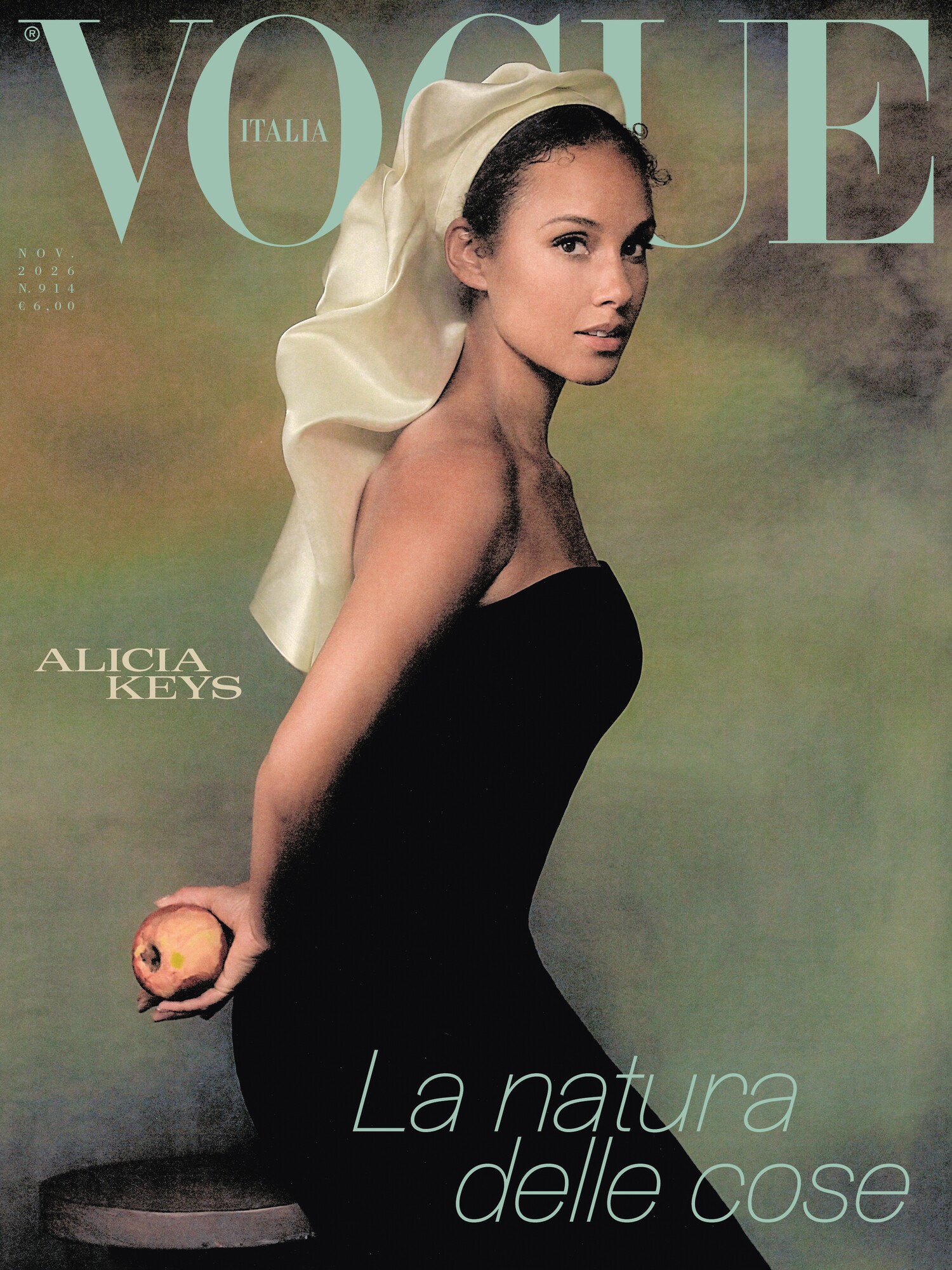
Alicia Keys by Szilveszter Mako | Image courtesy of Streeters
Vogue Italia November 2026 Cover
Working with Alicia (Keys) has been such an honour and a beautiful experience. The beauty of her soul is so pure that you can see it even in pictures. She was incredibly collaborative and trusting of the vision. There is such grace in the way she moves and speaks, and her aura inspired me immensely. Being able to work with an icon like Alicia was really a dream come true. I was also happy to work with Szilveszter (Mako) because I appreciate that he has a strong point of view and stays true to his vision while highlighting the distinctive qualities of the person he is photographing.
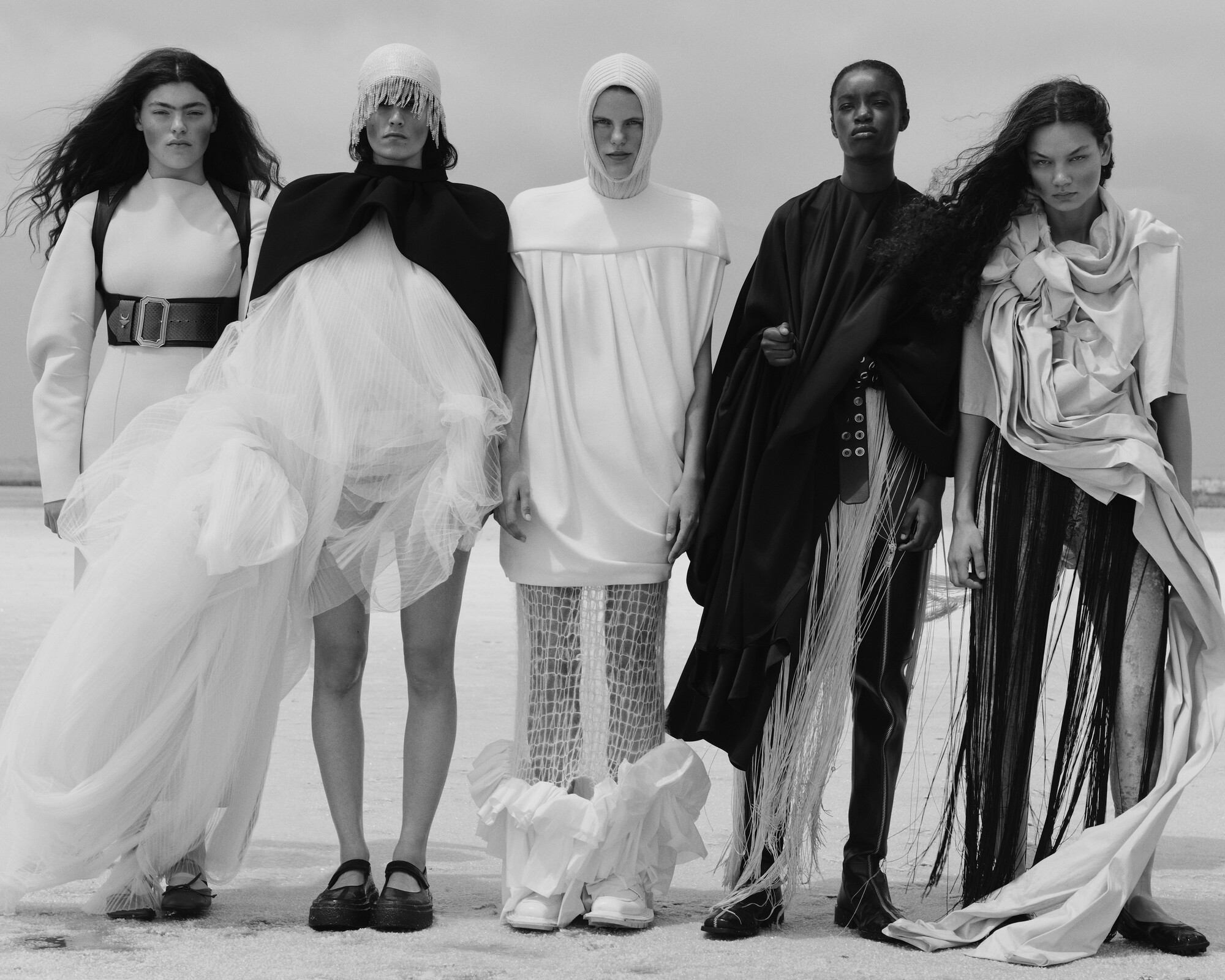
Soul’s Playground by Nadine Ijewere | Image courtesy of Streeters
Soul’s Playground for Luncheon Magazine
I love this story that Nadine (Ijewere) and I shot in a beautiful salt mine in Spain. The shoot felt truly magical. Nadine and I kept talking about wanting to photograph a diverse group of models in a way that would express joy and lightness, while also making them feel like part of a collective. I felt that the styling had to play a key role in conveying all of this, and I remember having so much fun with it. Working with Nadine is also magical. On set, watching the way she composes her images and directs the models is like watching a painter at work, a true artist. When Francis from Luncheon asked me if I had a title for the story, I thought Soul’s Playground perfectly captured its atmosphere. I love that title so much.
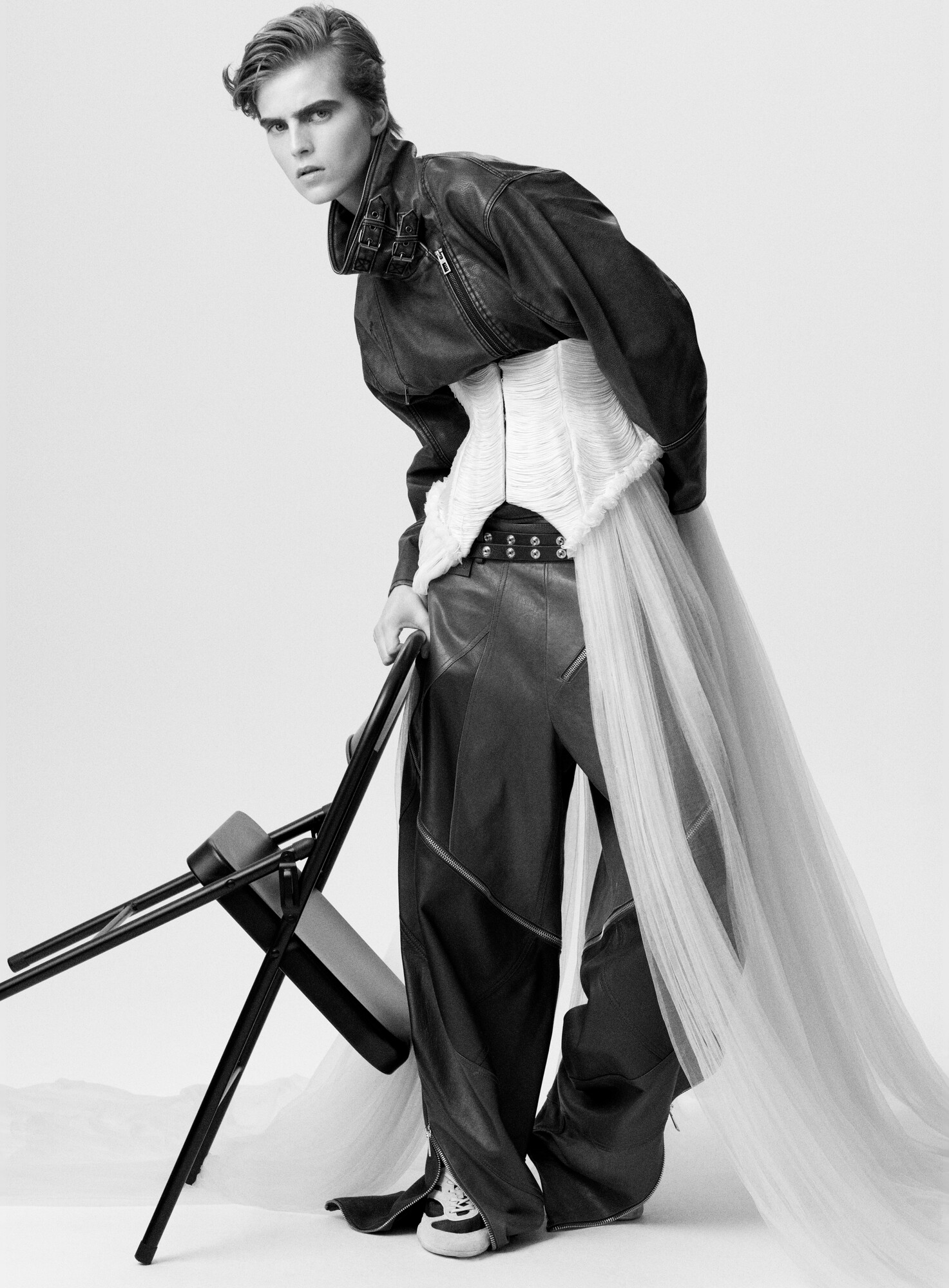
Libby Bennett by Paul Wetherell | Image courtesy of Streeters
Atletica Bon Ton for Vogue Italia
I have been a fan of Libby Bennett ever since I first saw her in a JW Anderson show. I loved everything about her, from her look and her walk to her gaze. Then I met her, and her amazing personality gave me so many ideas. I wanted to highlight all the beautiful sides of who she is. She really is like a muse to me. This was her first-ever Vogue shoot, and I was so happy that we got to do it together. On set, she transformed, and I could see just how much passion she has for what she does. She is incredibly talented and works so hard to help create beautiful pictures. She would jump, constantly change poses and expressions, and give us so many variations. I was genuinely amazed by her. The story was photographed by the master of light and photography, Paul Wetherell. It was our first shoot together, and working with Paul is such a joy. Watching him at work is truly inspiring. That day felt like one of those rare moments when all the planets align.
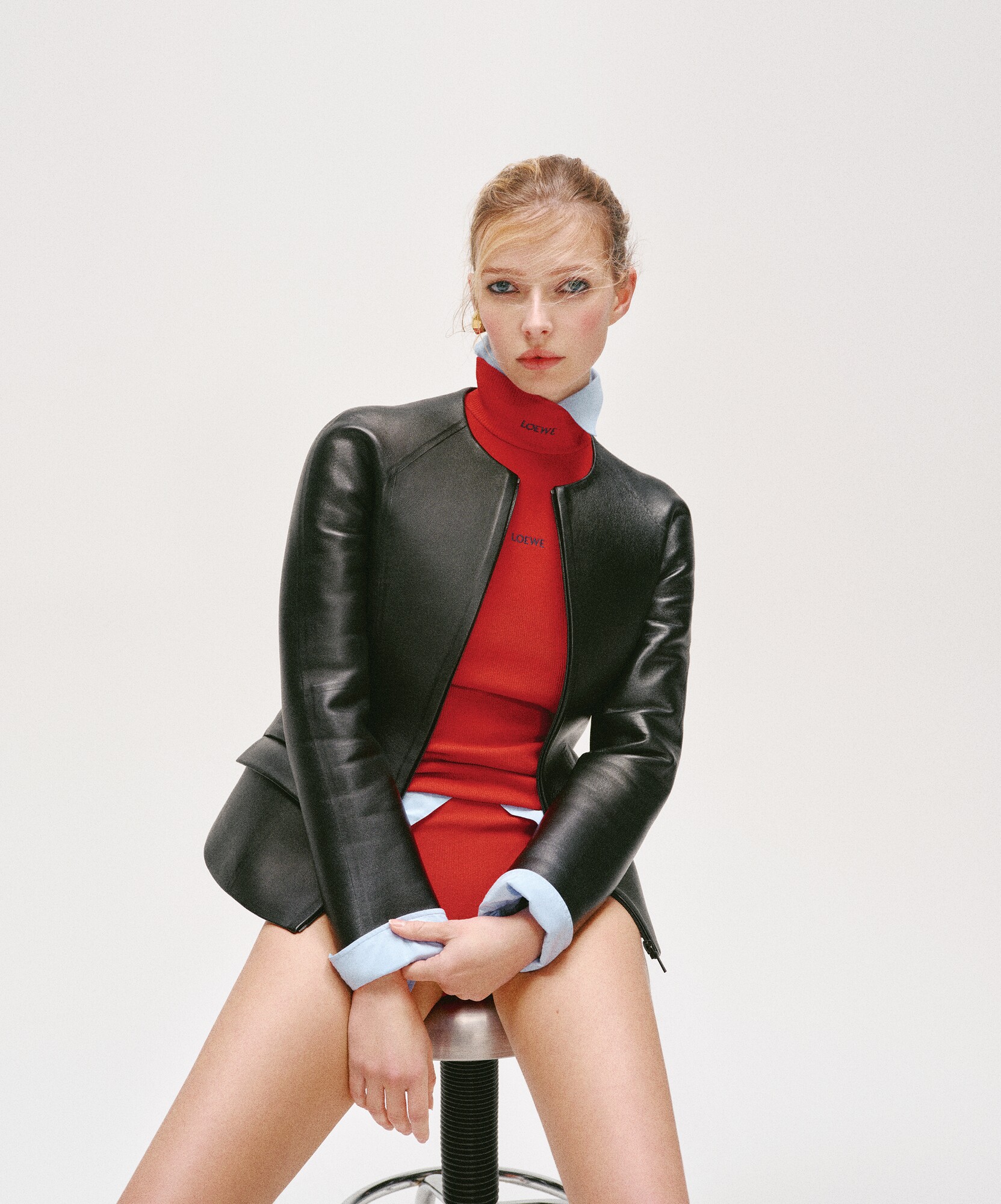
Apple Martin by Letty Schmiterlow | Image courtesy of Streeters
All About Apple for American Vogue
I love this picture of Apple (Martin). It captures her youth and beauty, but also her confidence and wonderful energy. This story was created for the first issue of American Vogue under Chloe Malle’s editorship, and I felt very excited to be part of it. To reflect this new direction, I really wanted to work with someone who had never photographed for the magazine before. I was thrilled to collaborate with Letty (Schmiterlow), as I felt she could translate the spirit of the story beautifully and photograph Apple in a way that celebrated her while preserving that fresh, edgy yet luxurious feel.
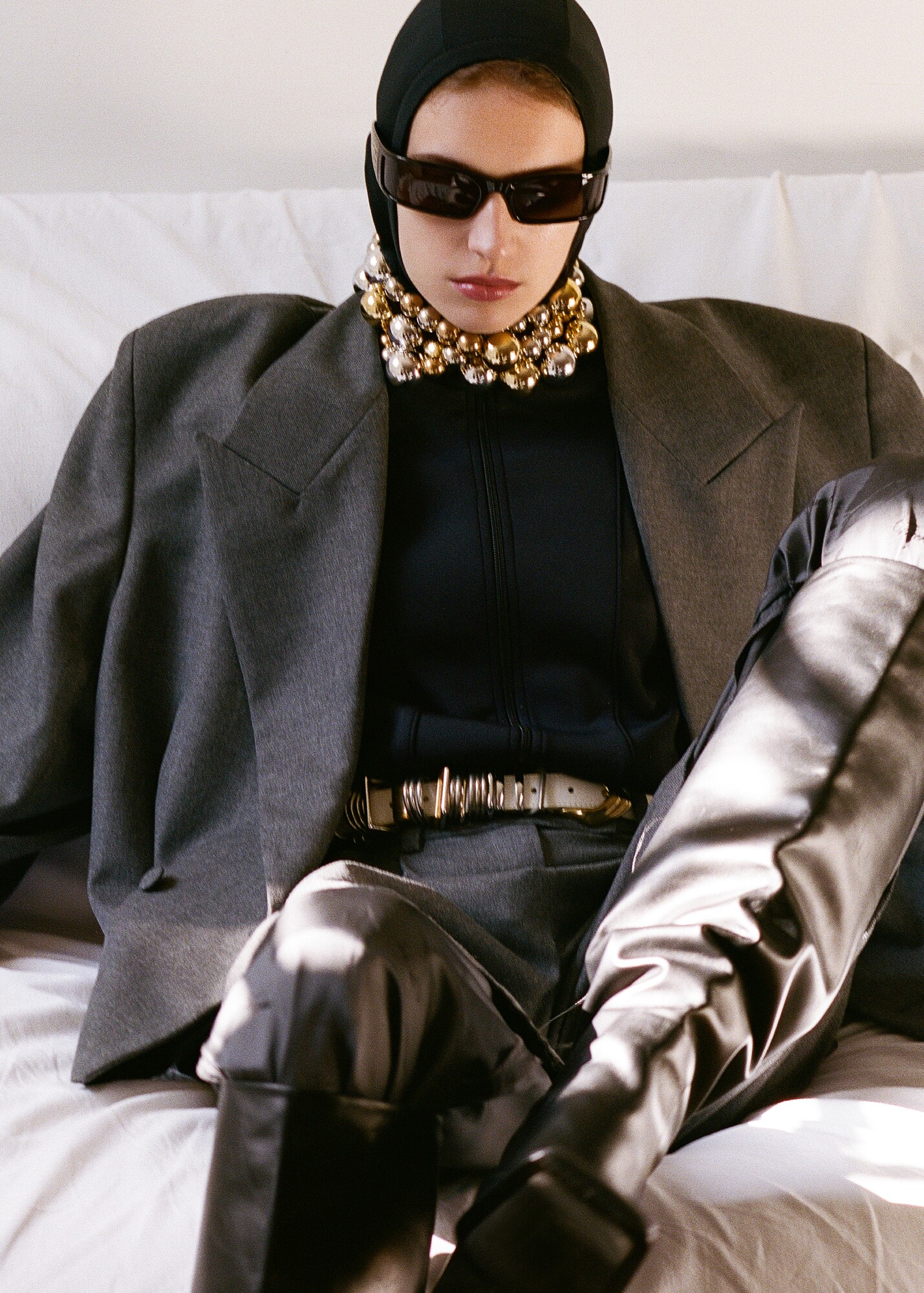
Lota Blašković by Daniella Maiorano | Image courtesy of Streeters
Lota for Document Journal
This picture was taken for the final issue of Document Journal before the magazine folded. I felt very honoured to be part of it, although I was sad to see such a great project fall victim to the harsh realities of today’s editorial landscape. I love how this picture feels chic and elegant, yet loud and maximalist, just like me. Daniella (Maiorano) is amazing at capturing those moments when everything feels so simple, yet is so thoughtfully articulated and beautifully composed.