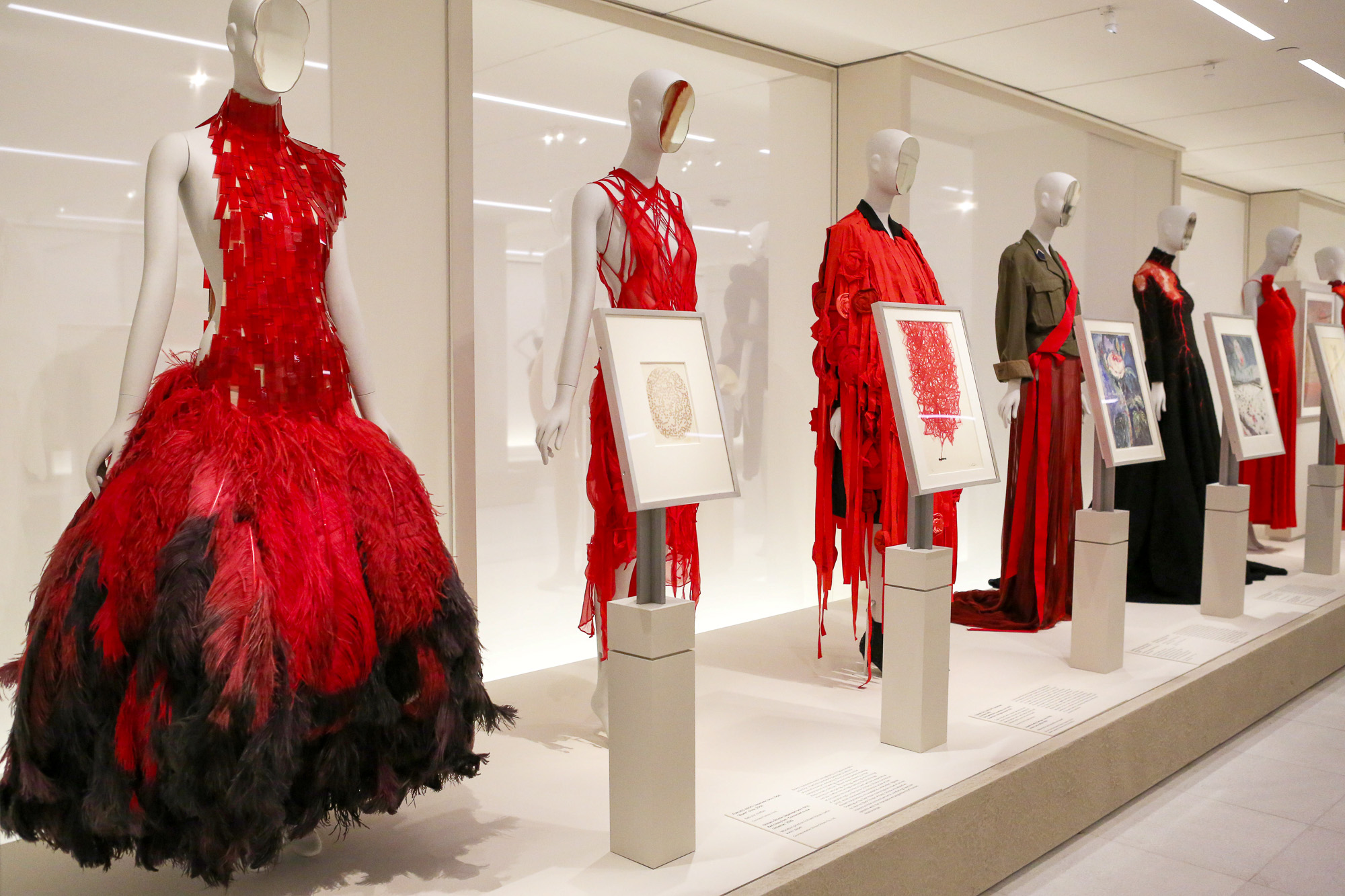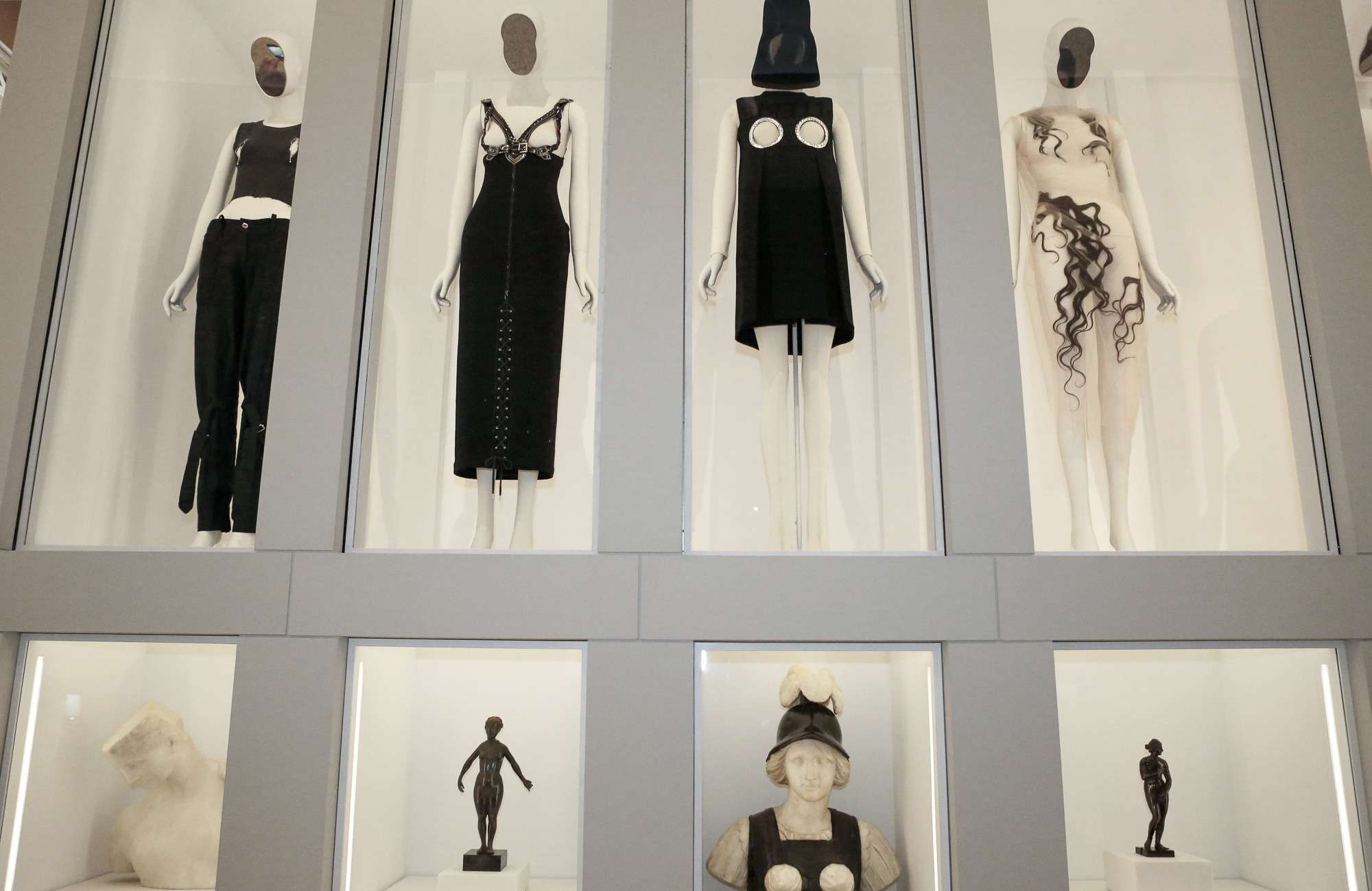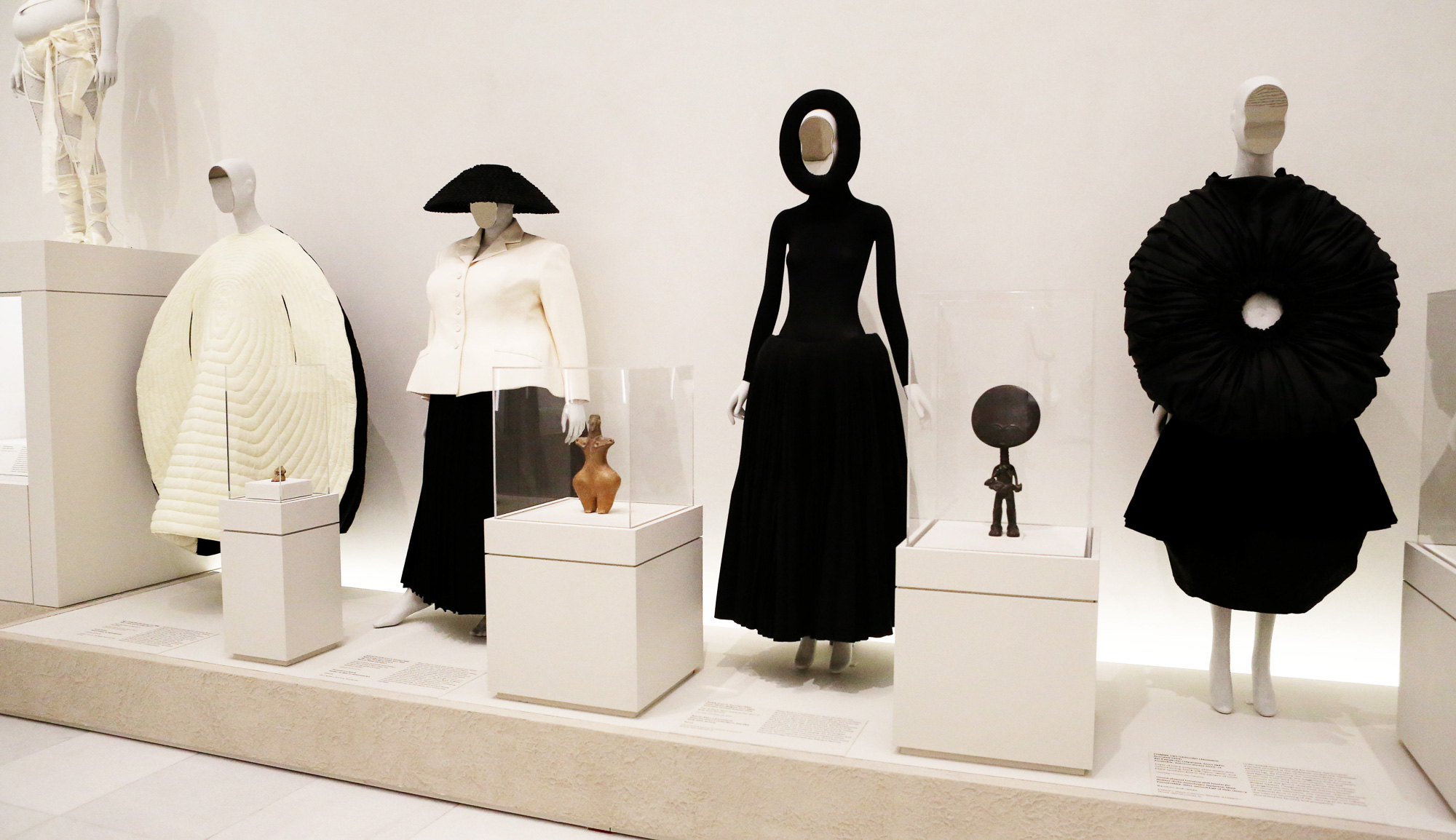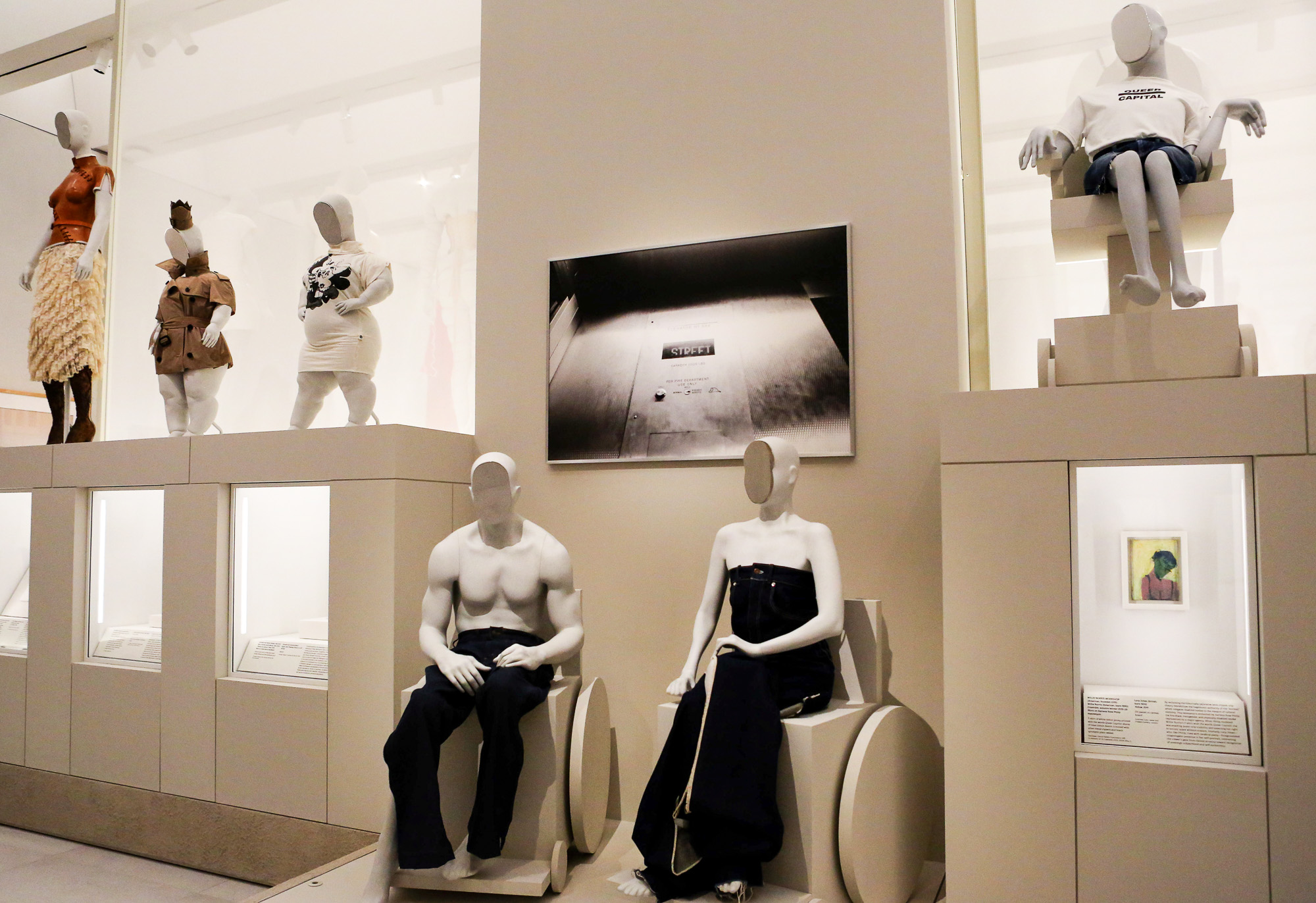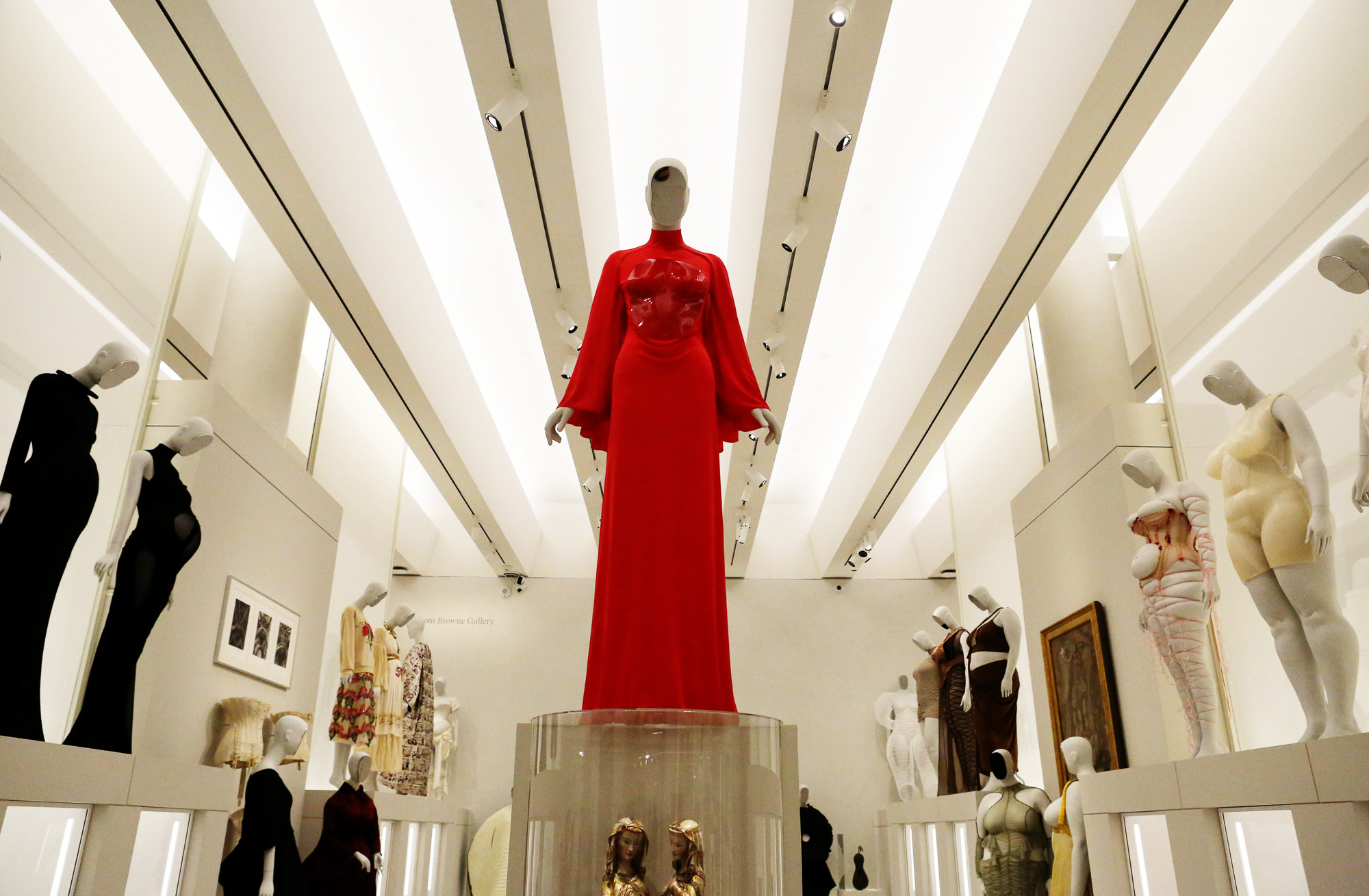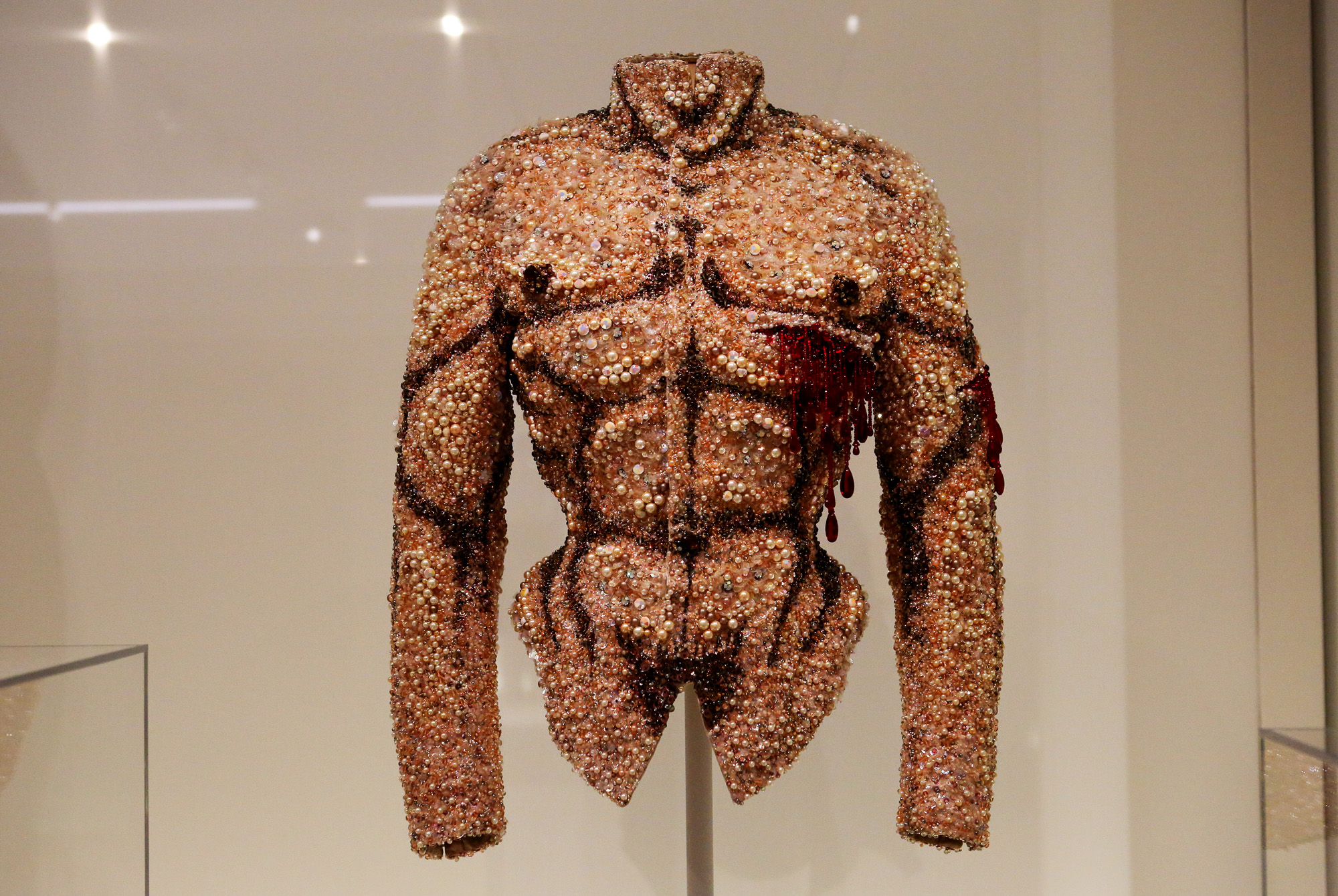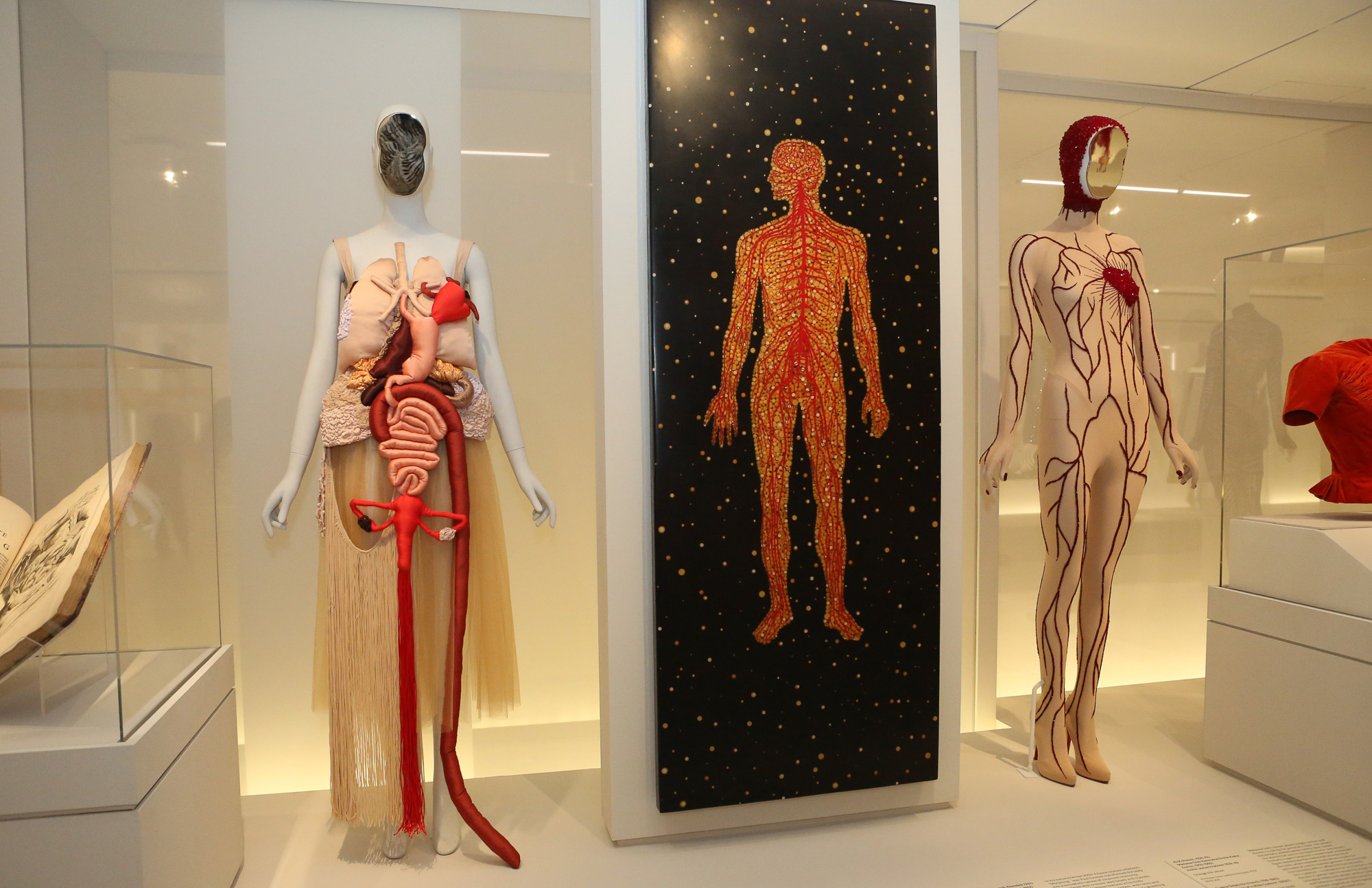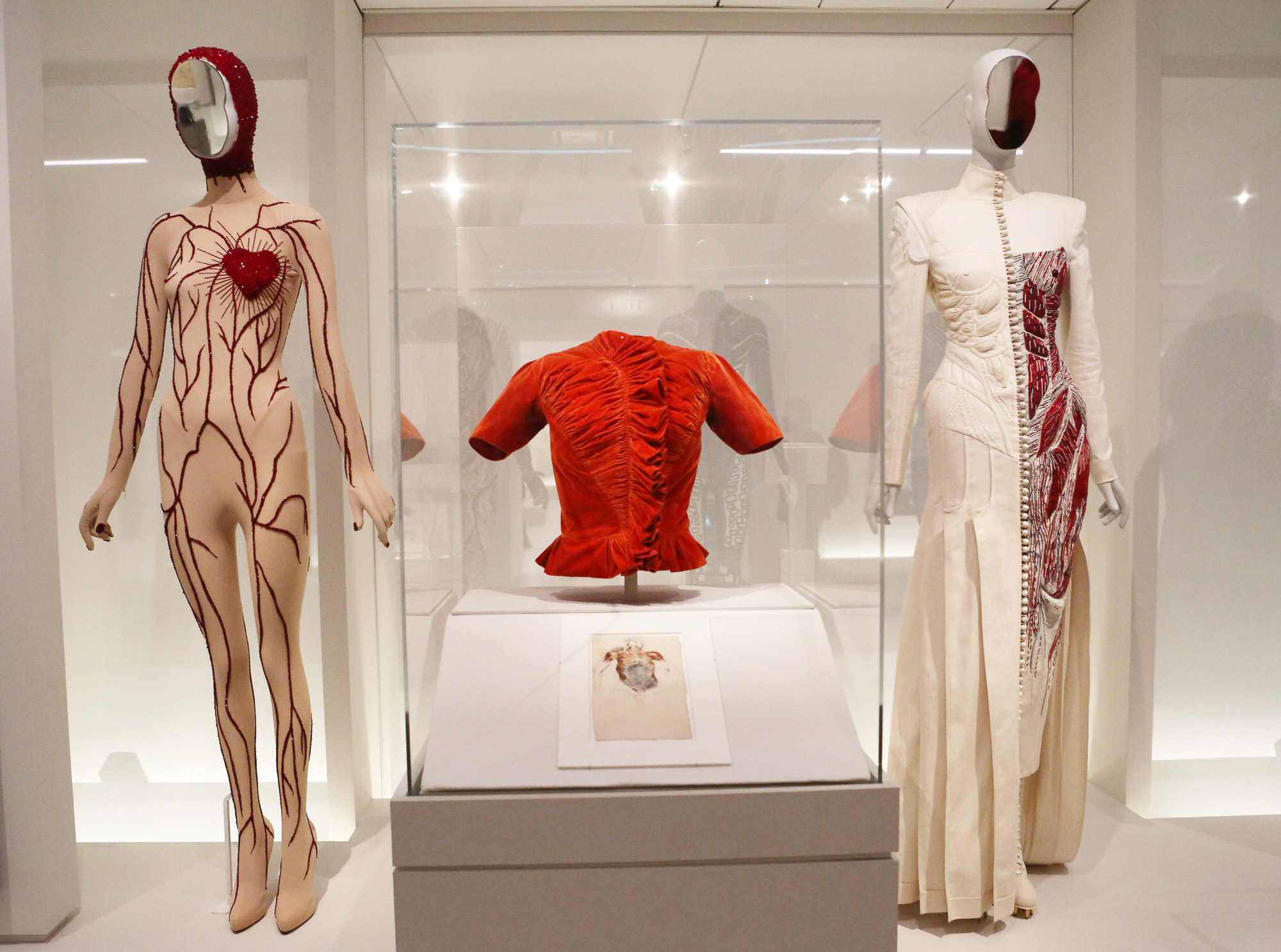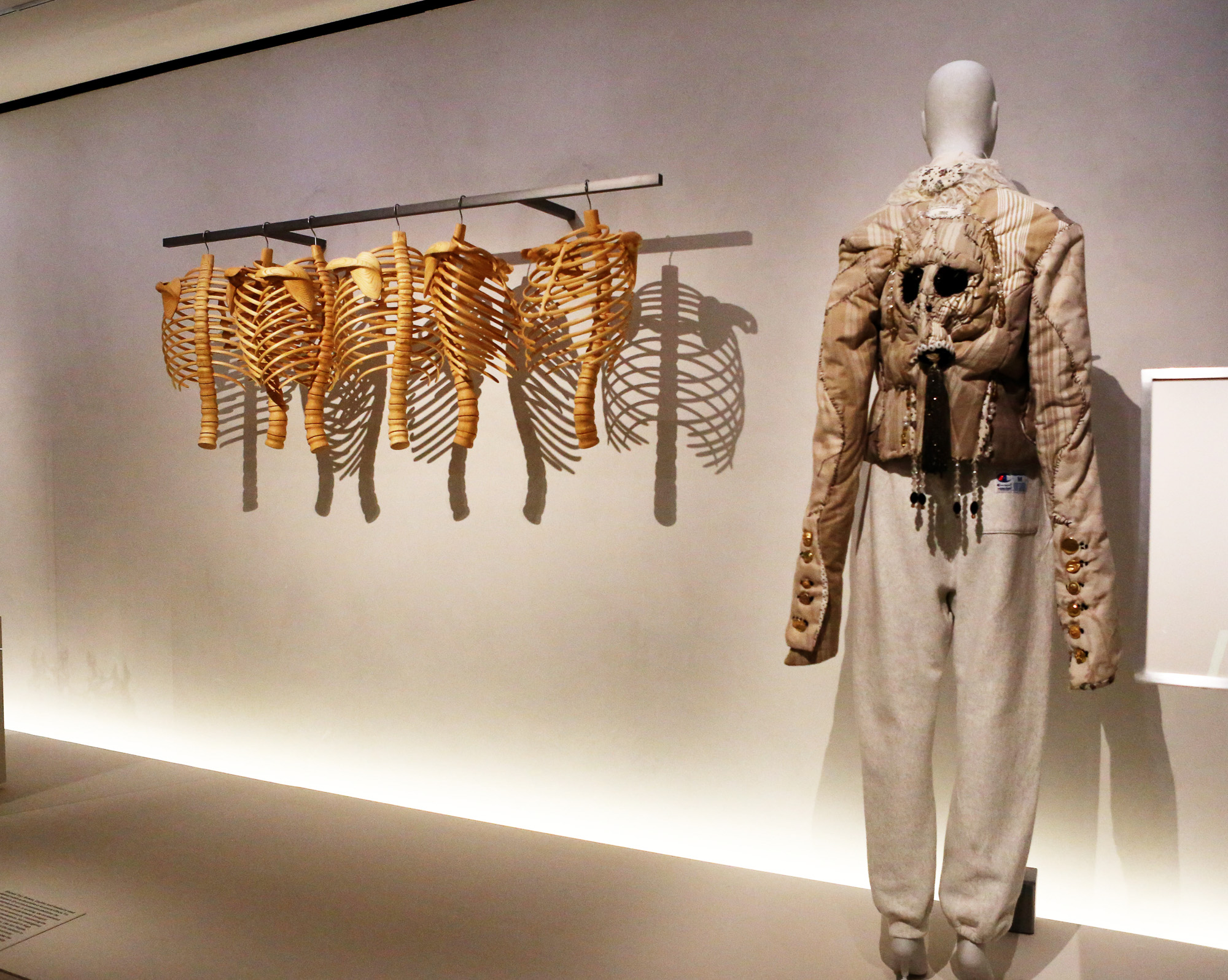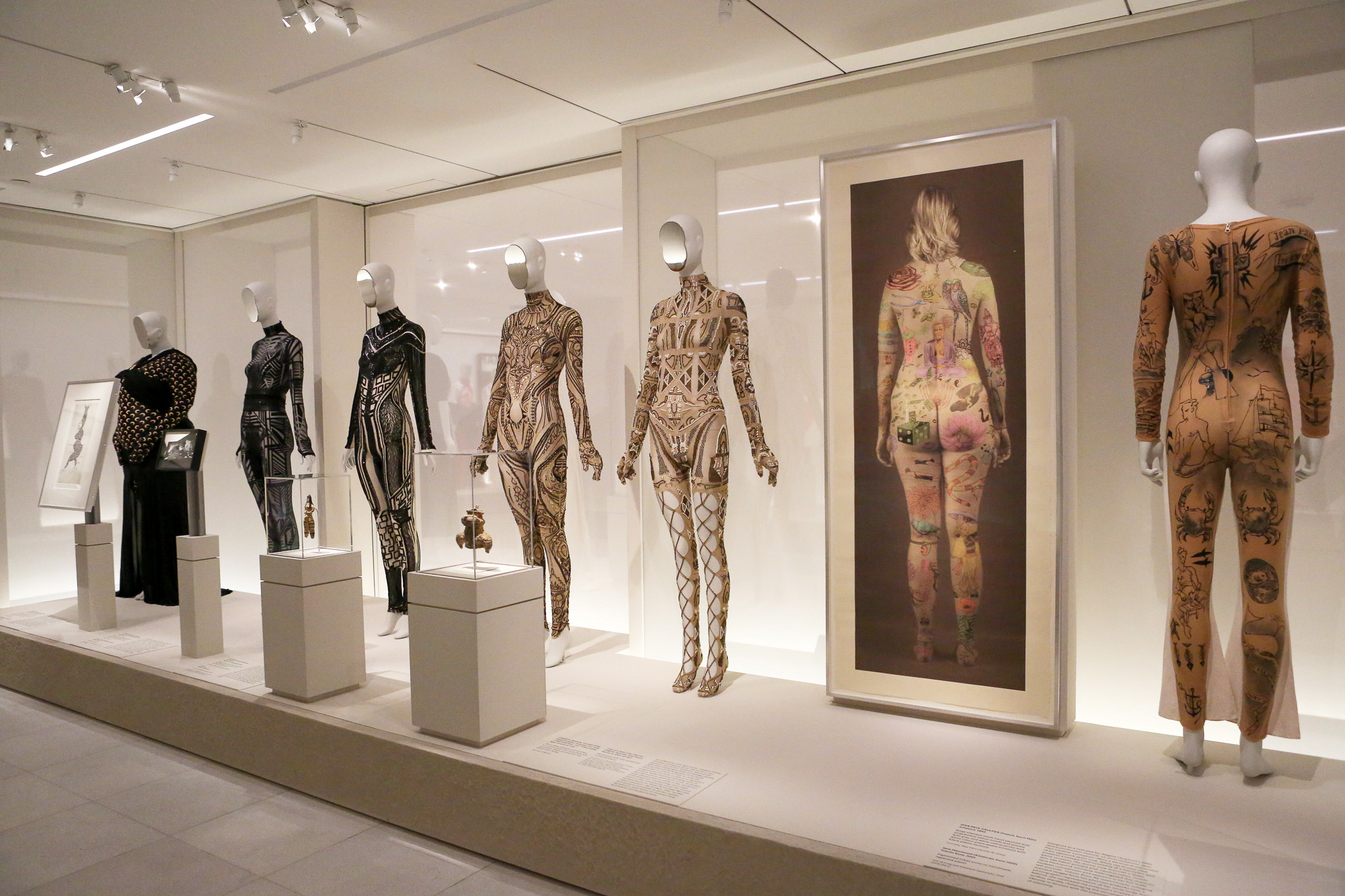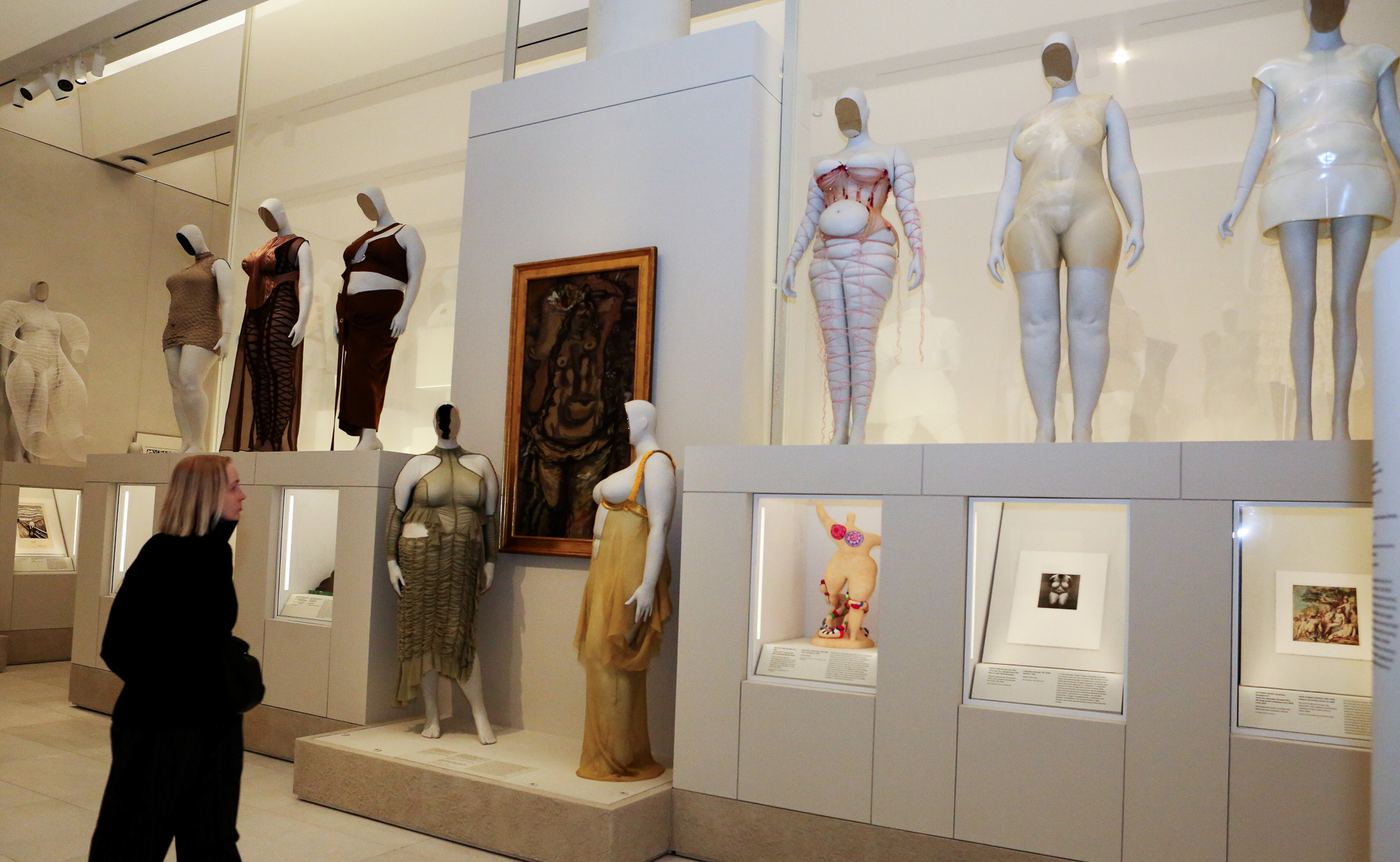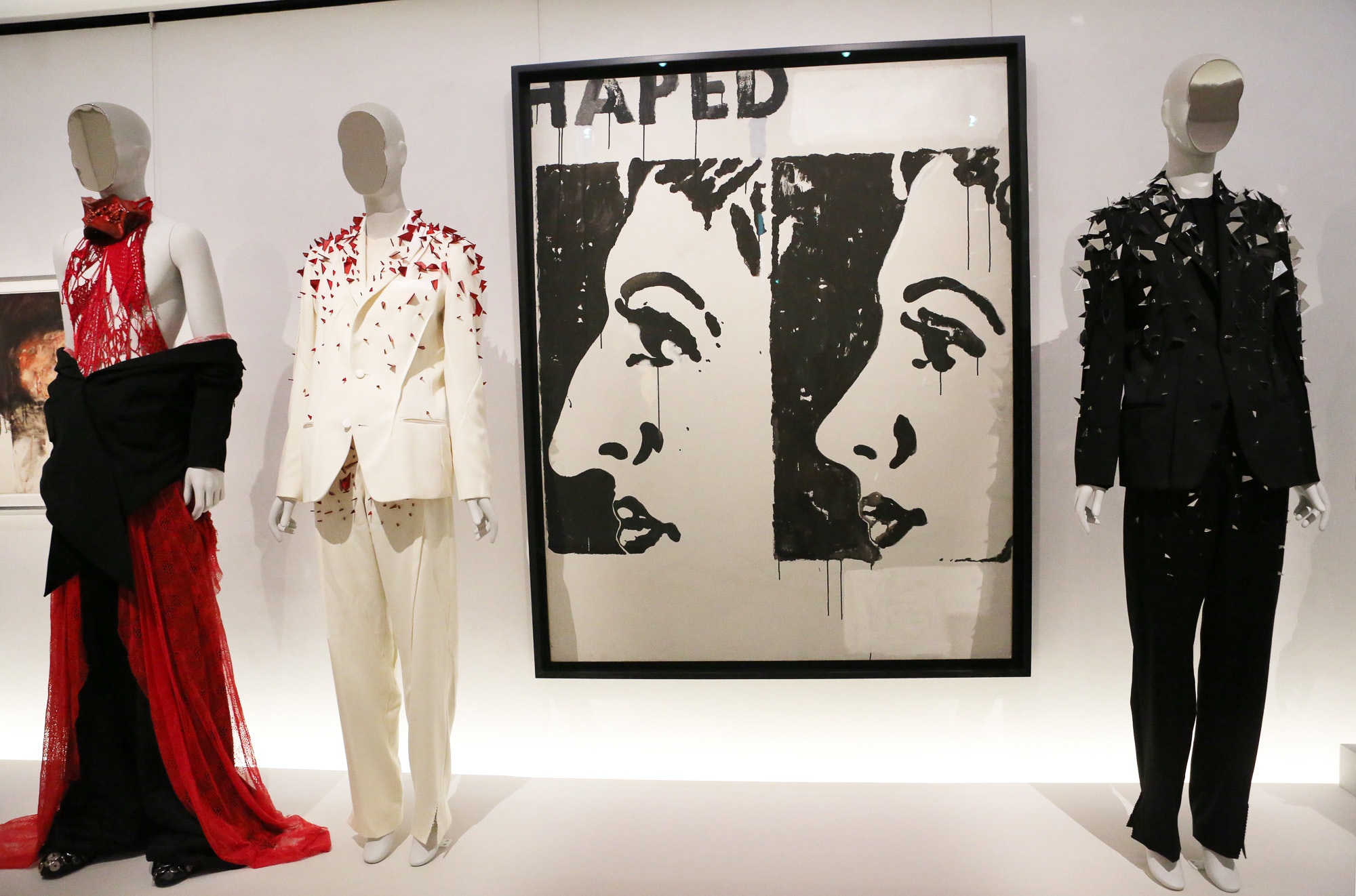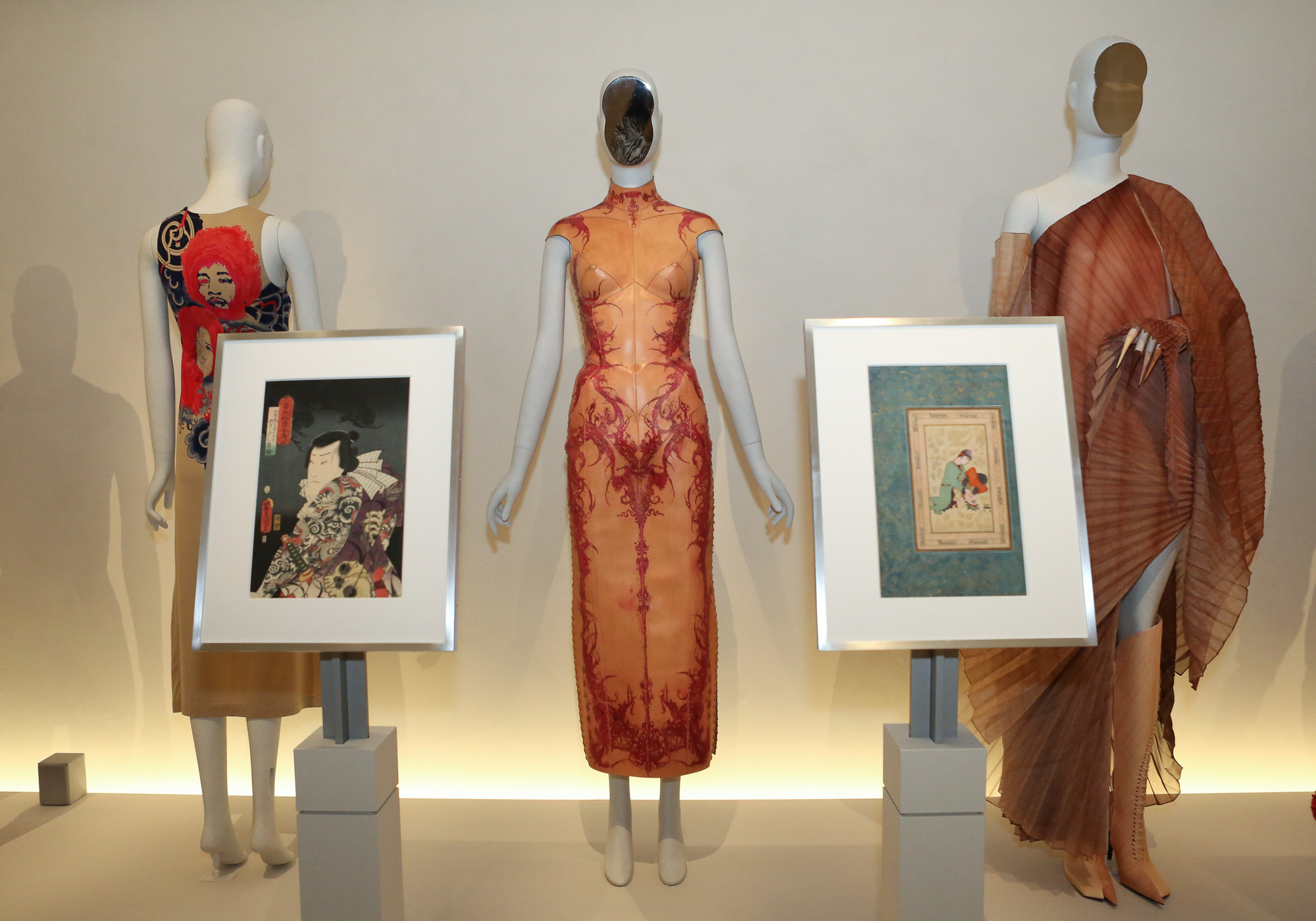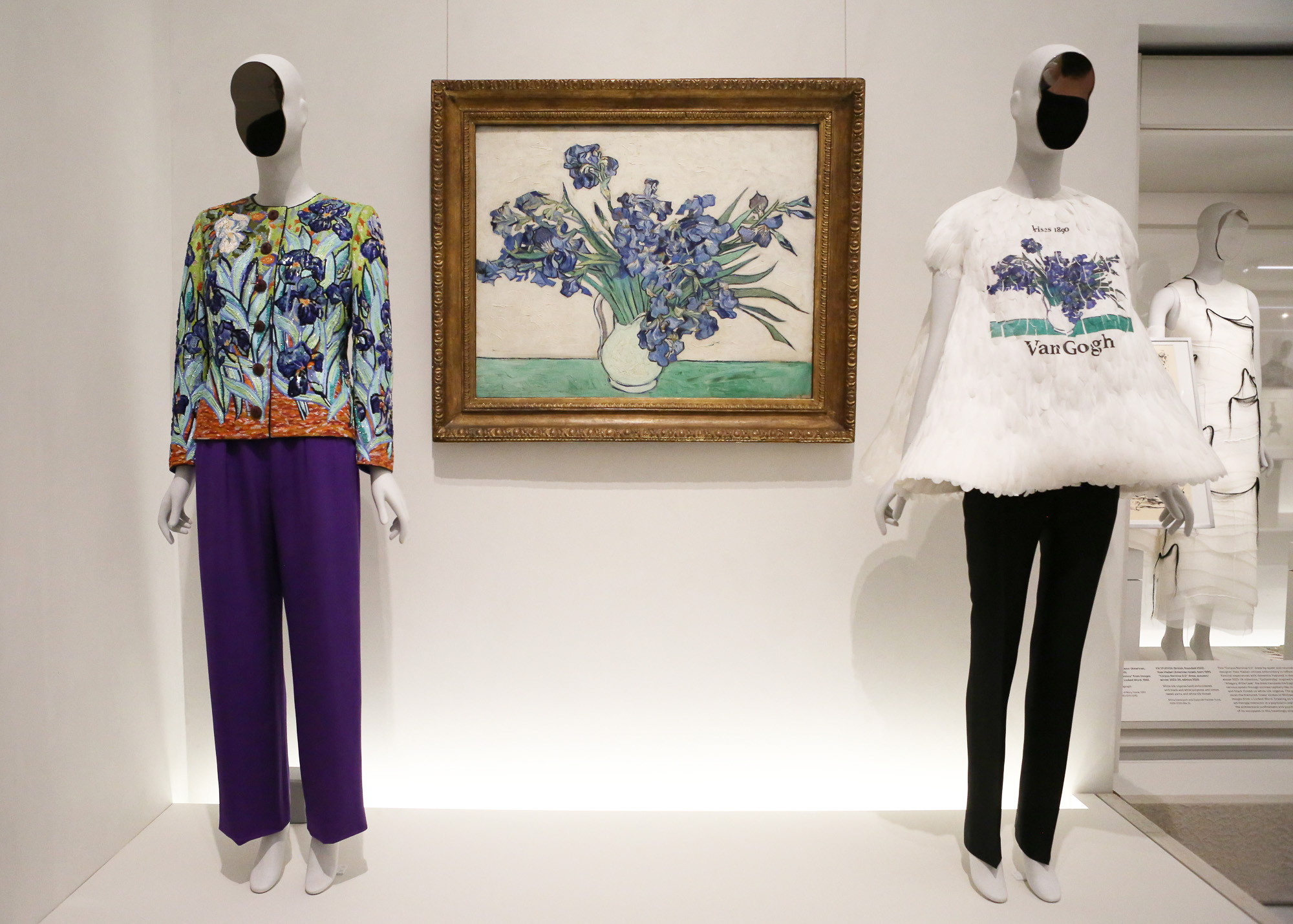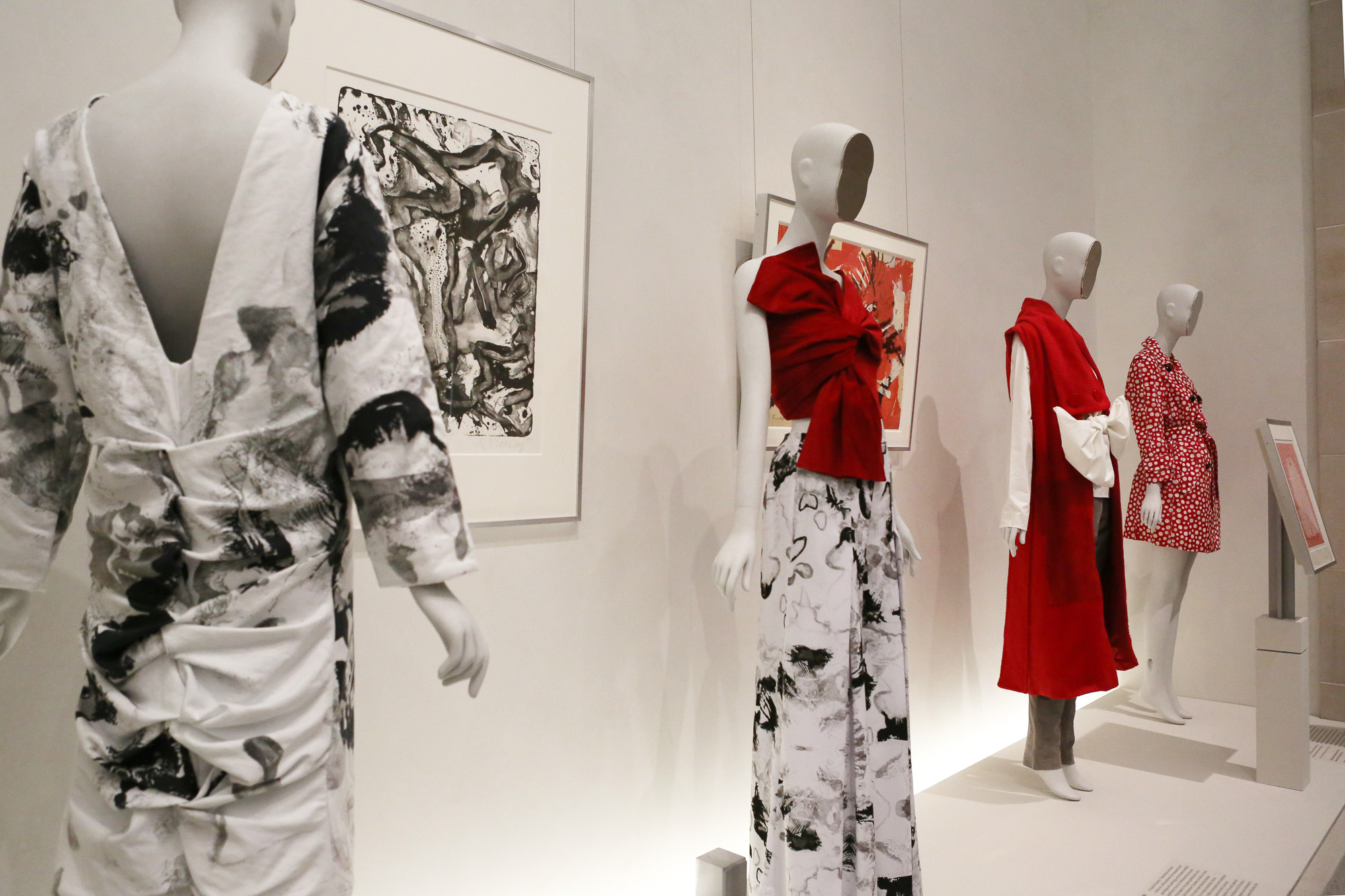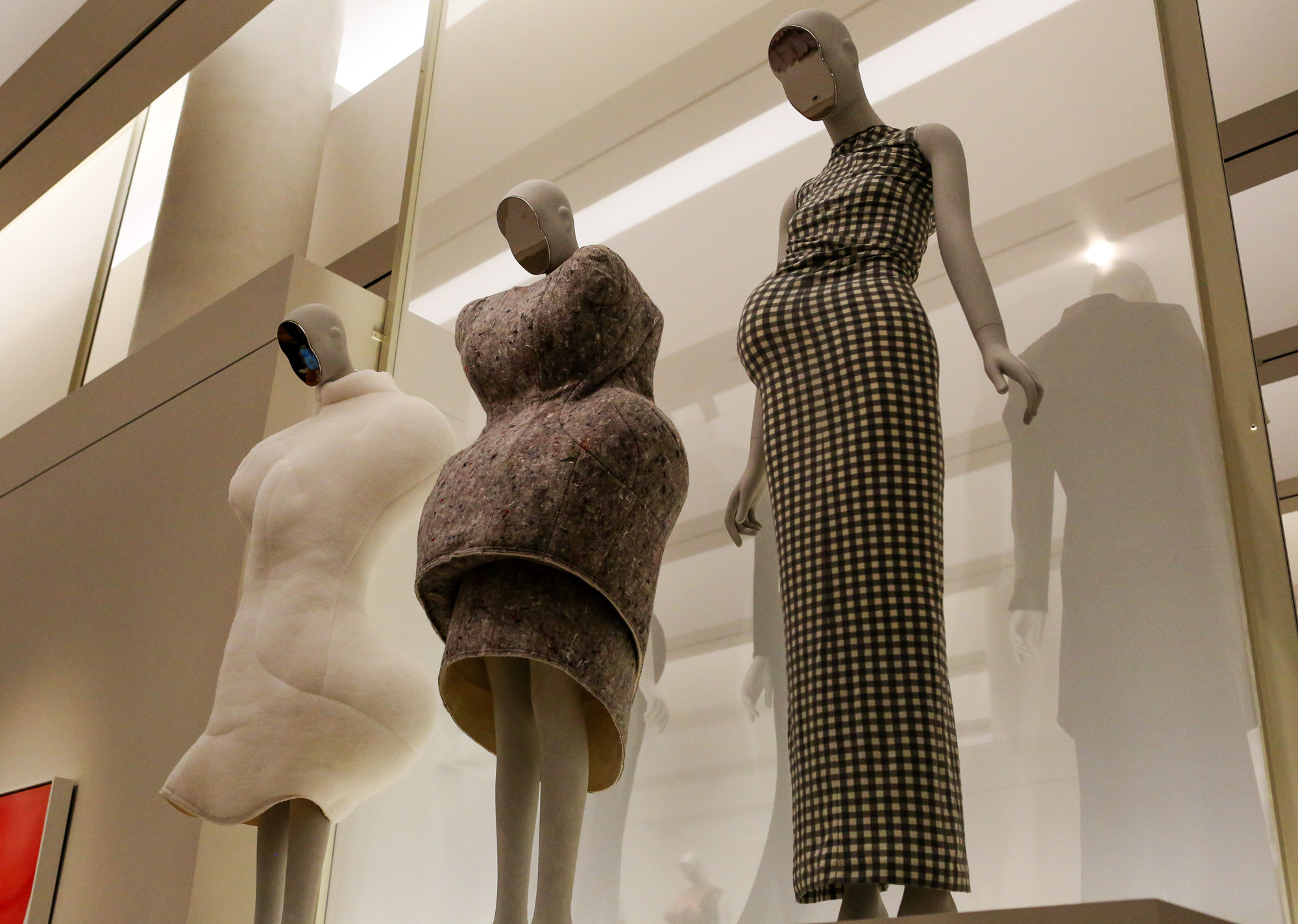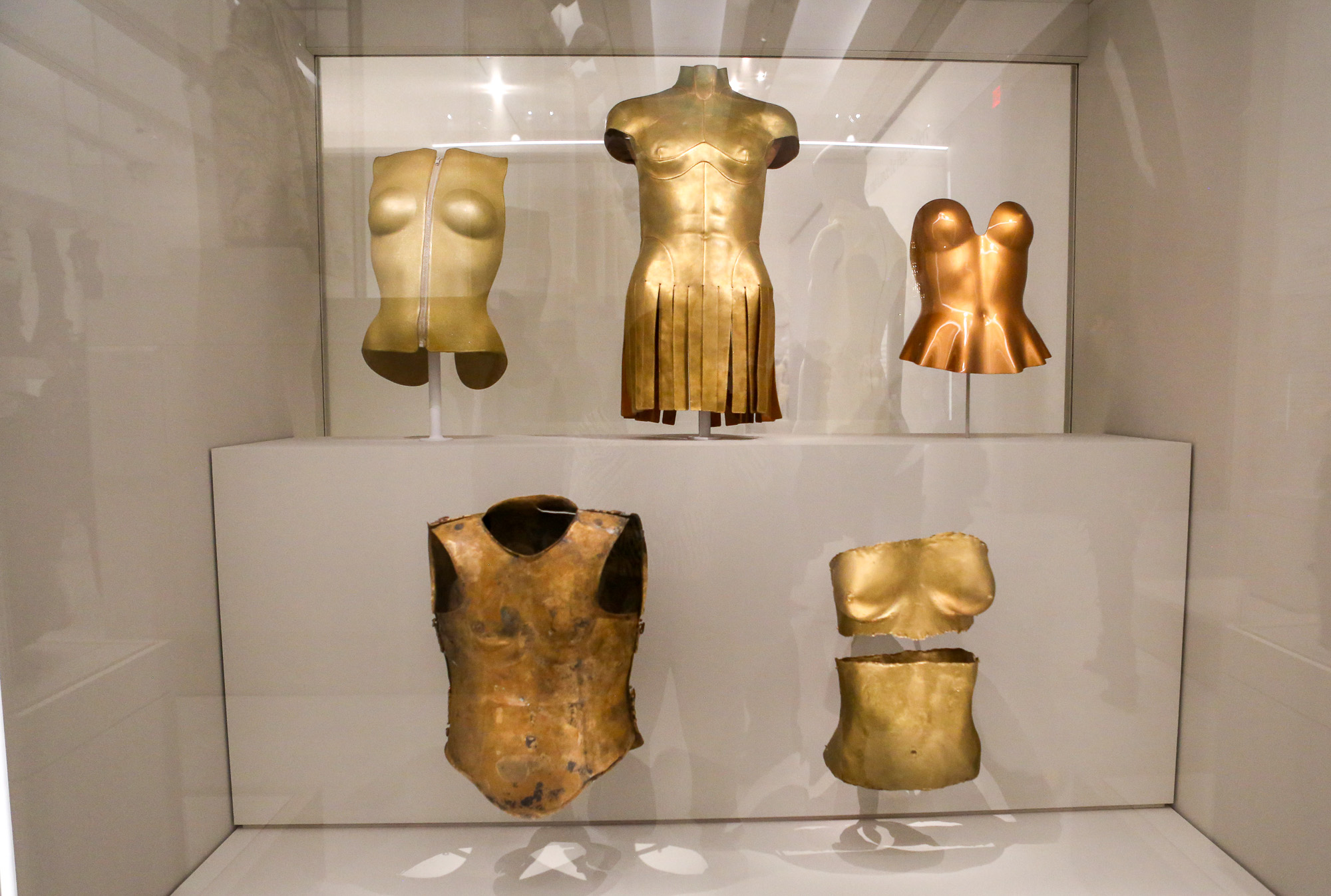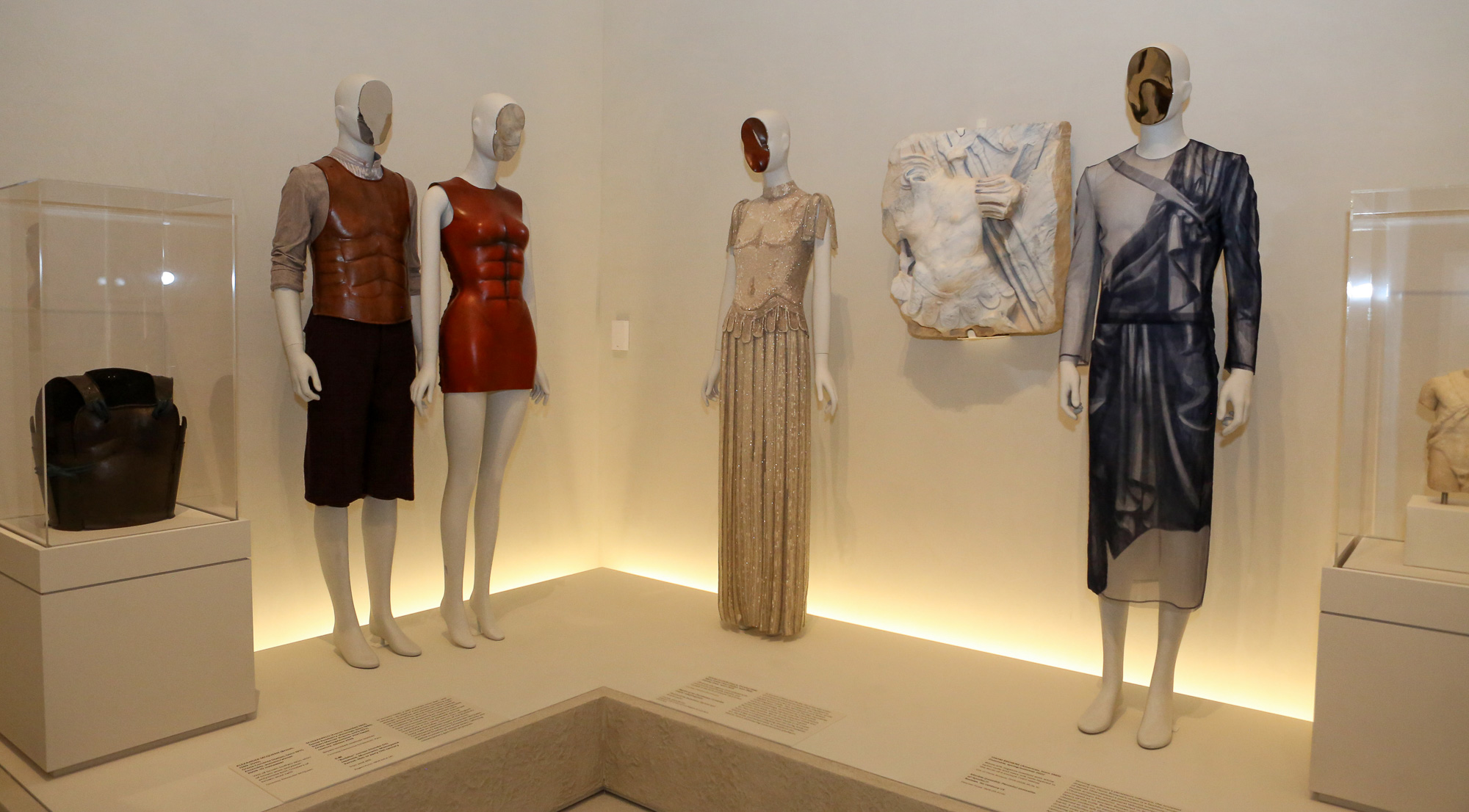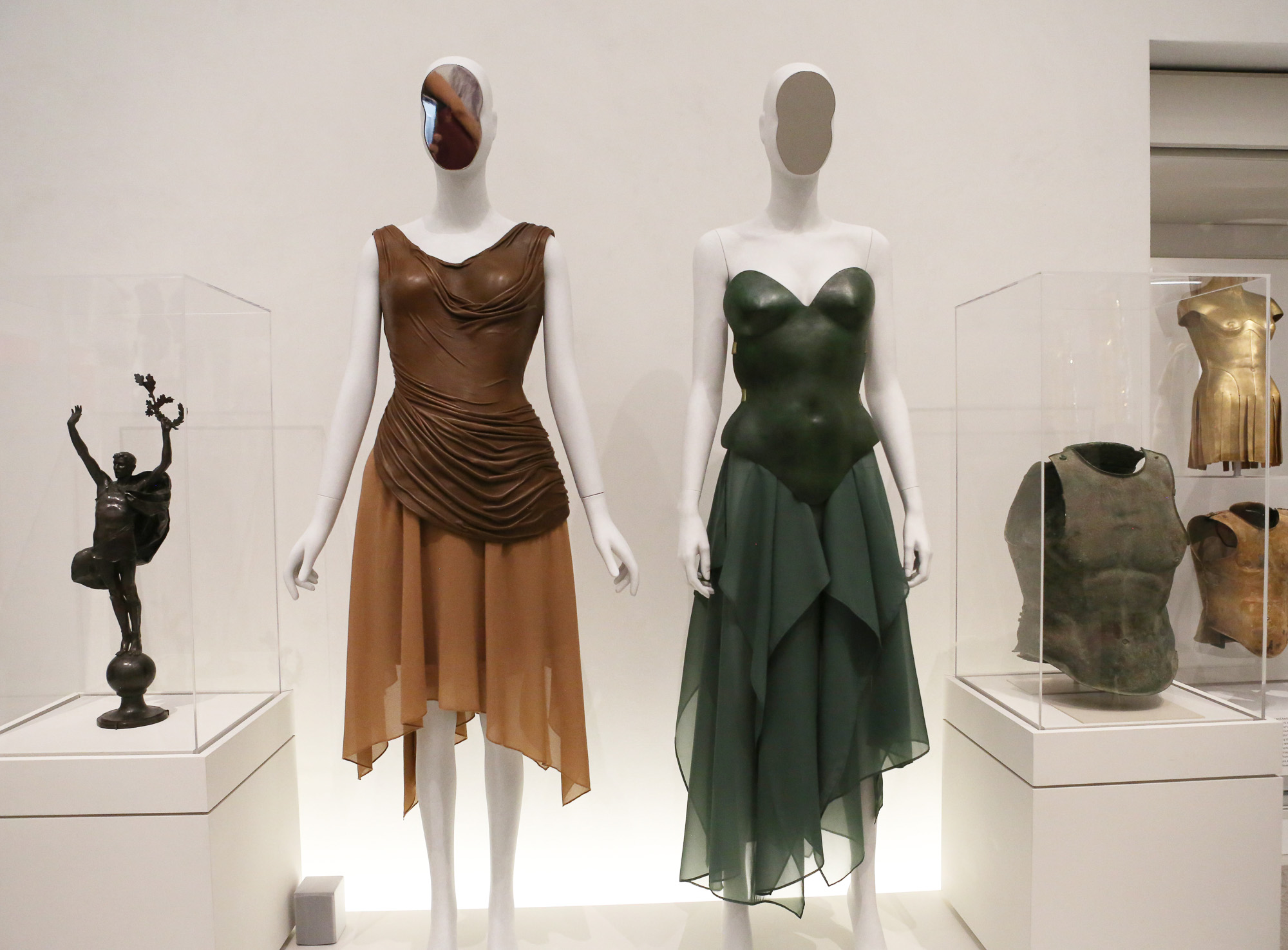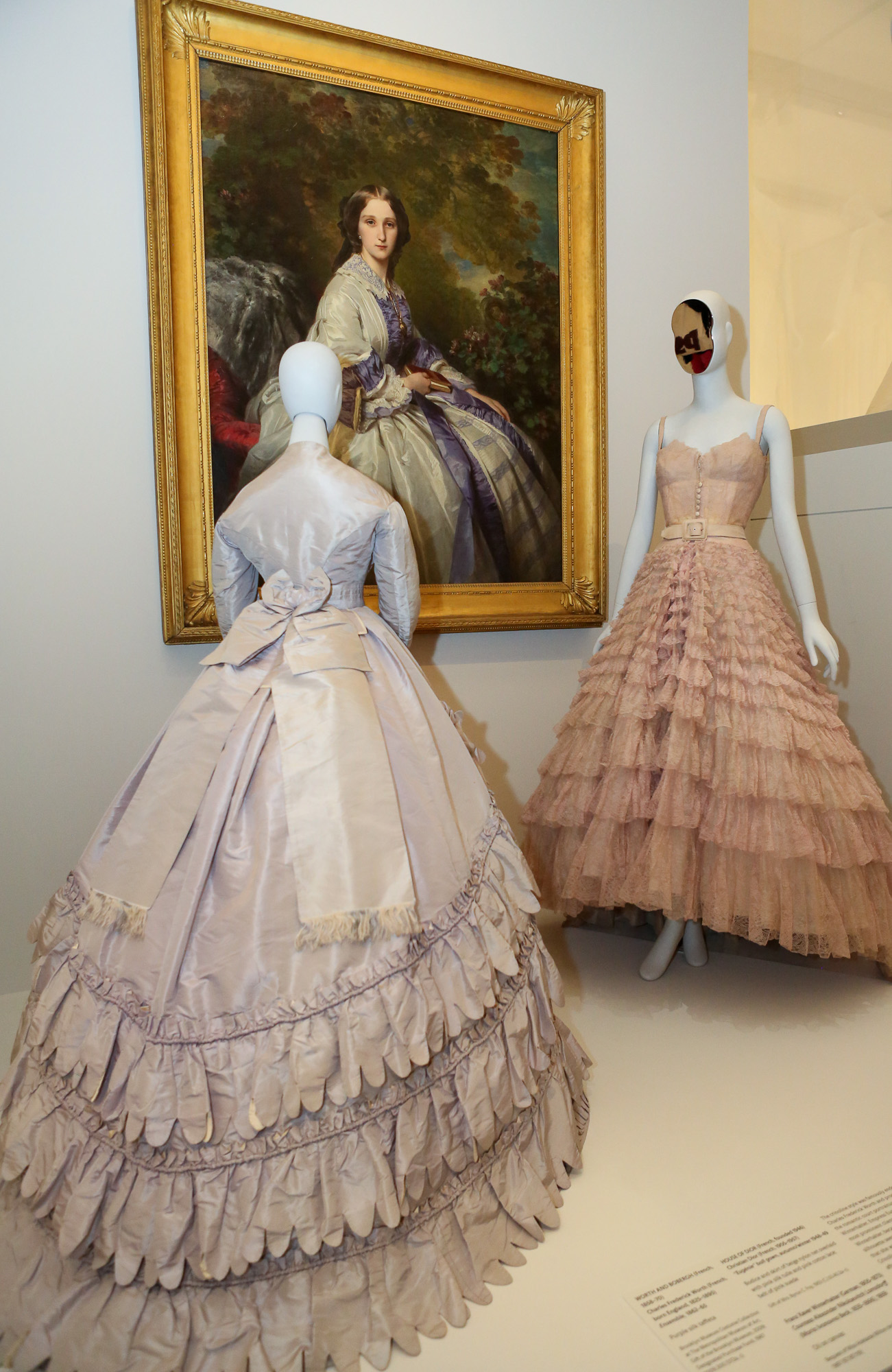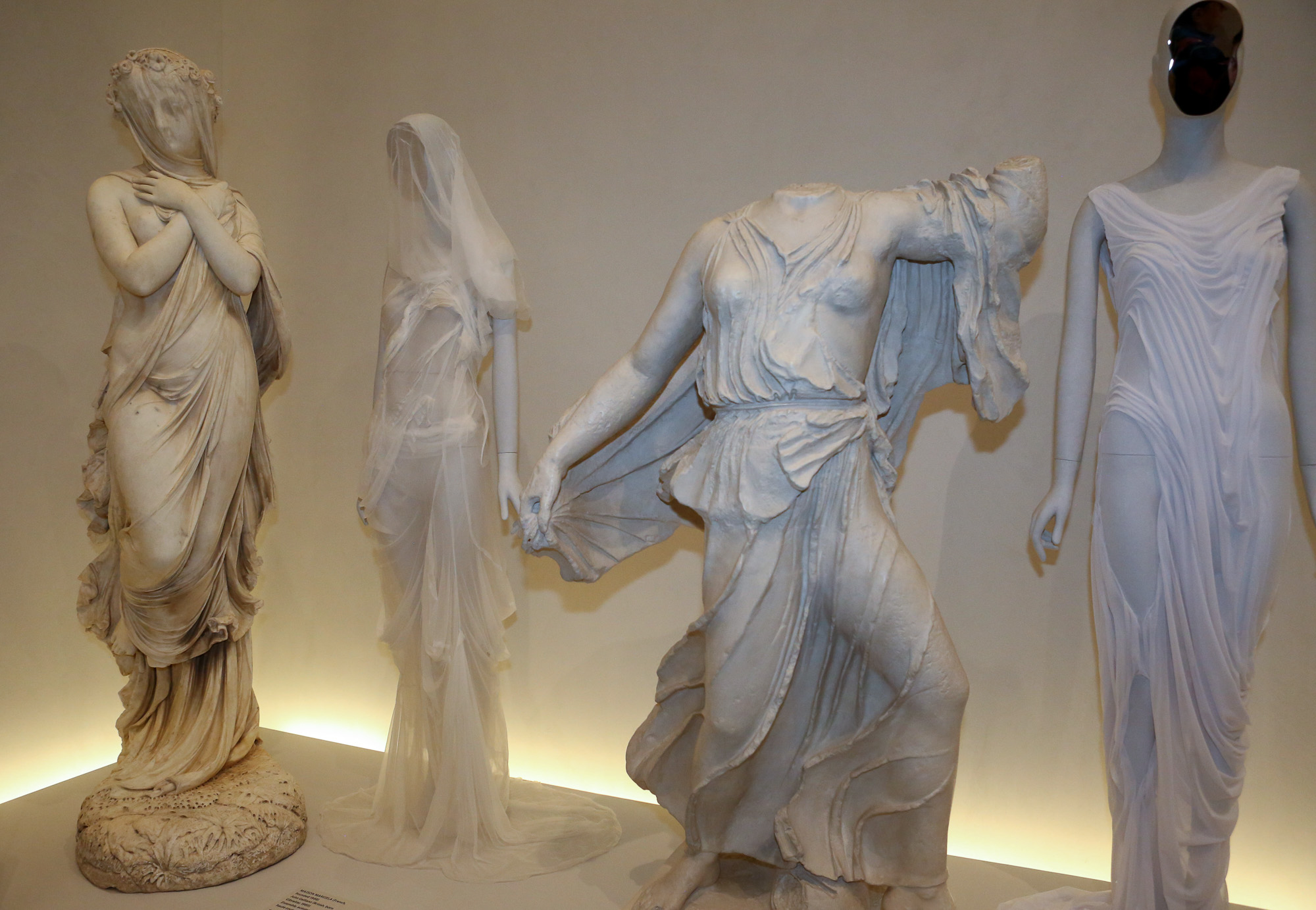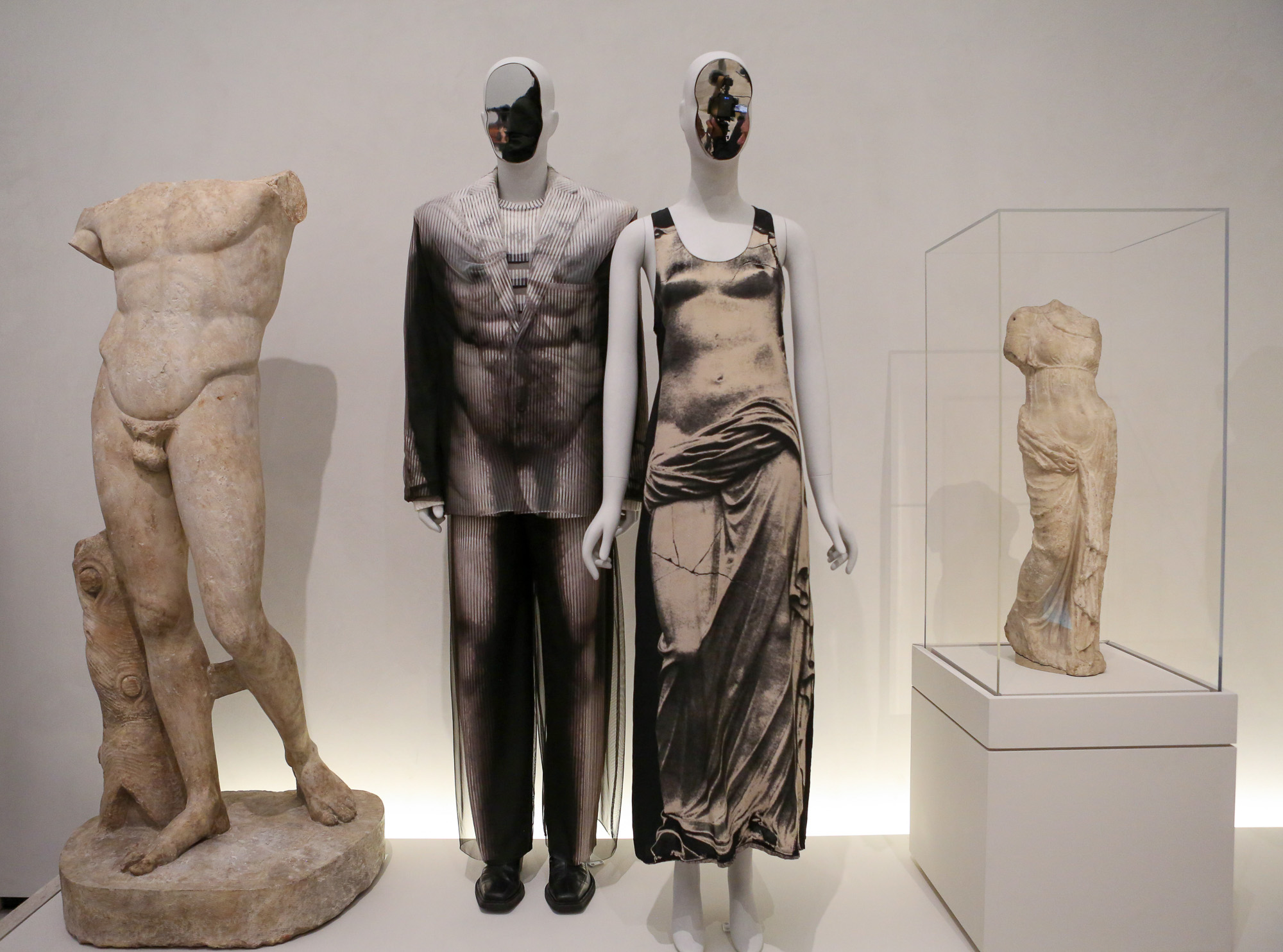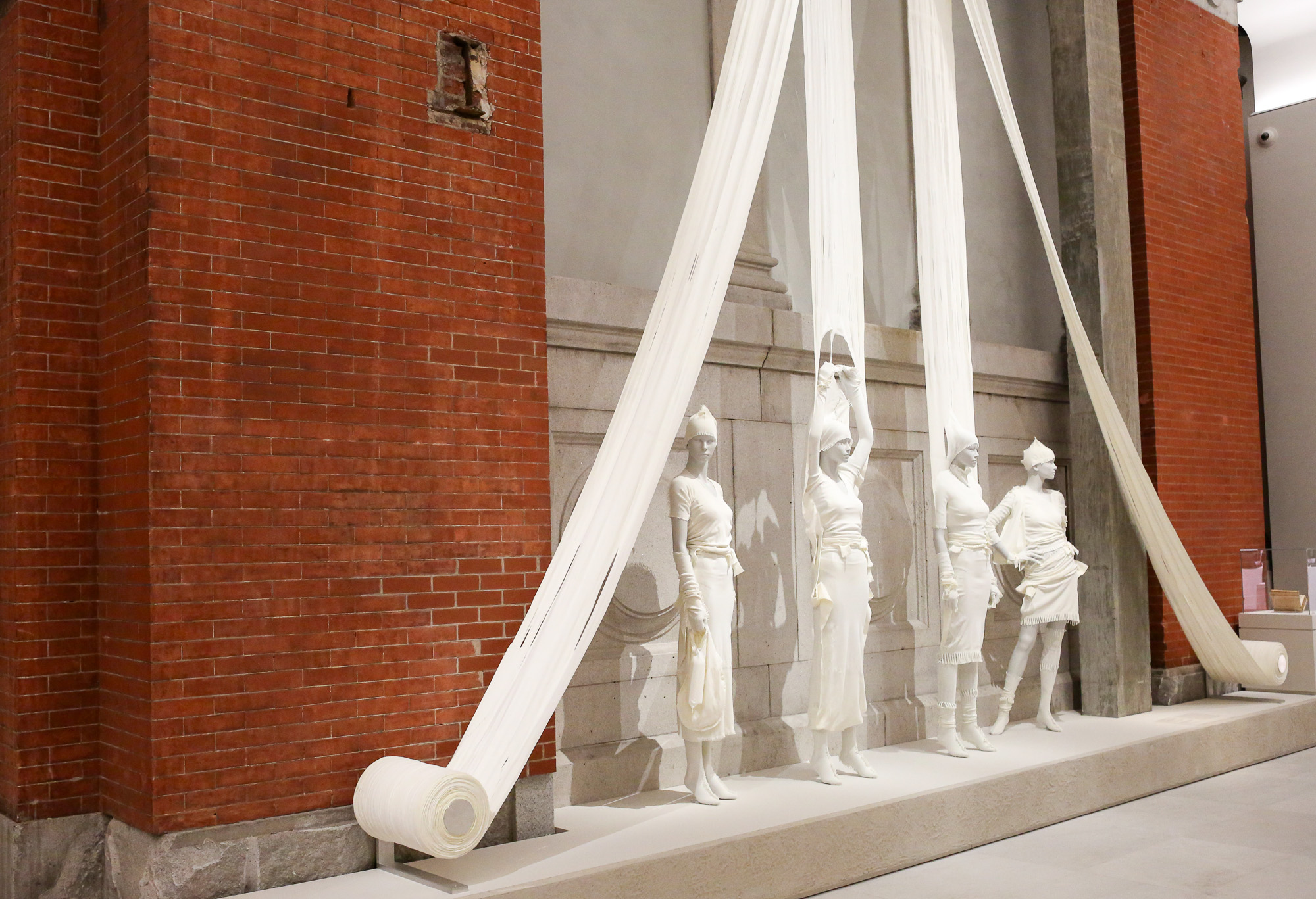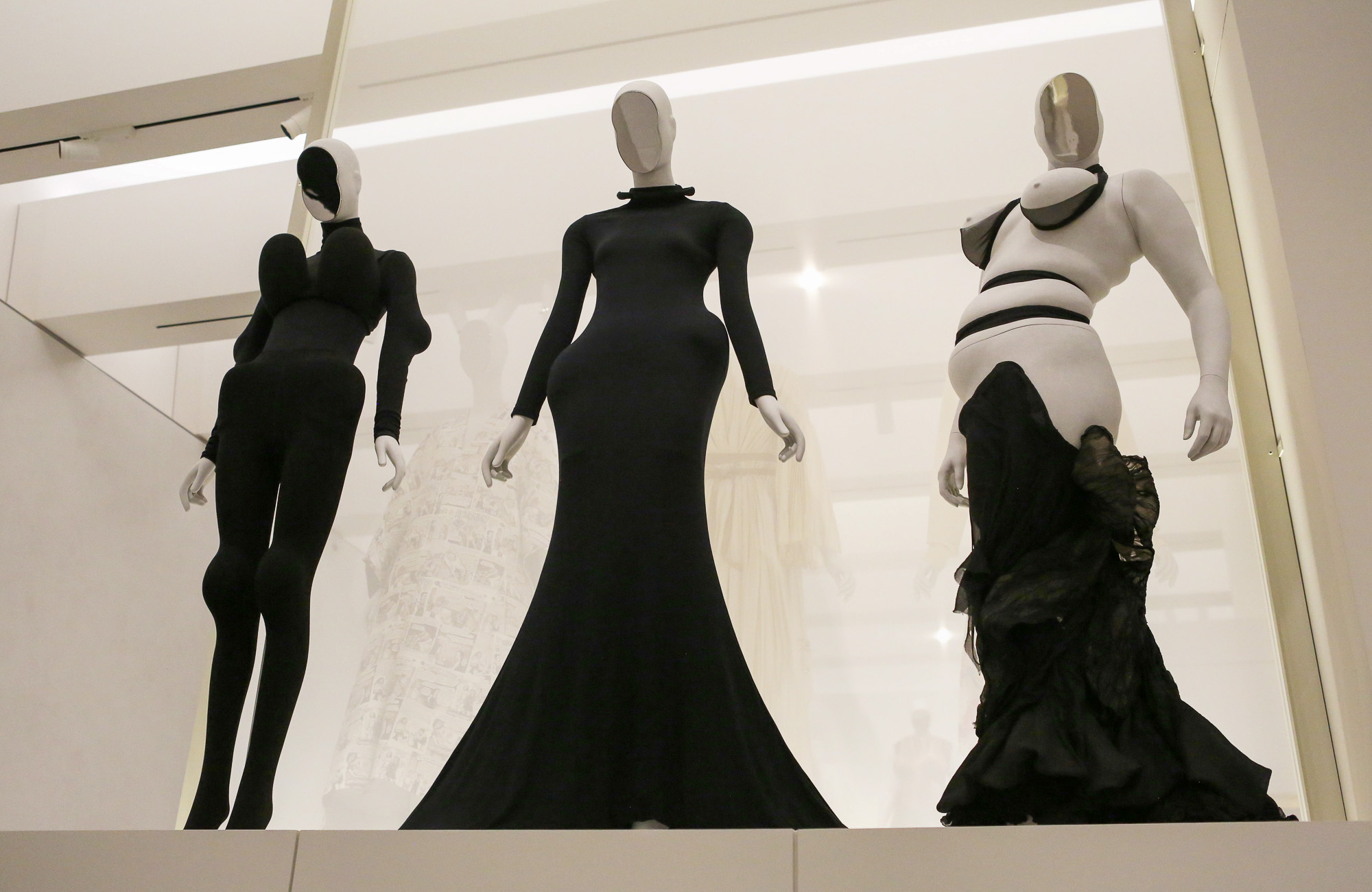
Marking a decisive shift in how fashion is positioned within institutional spaces, Costume Art inaugurates The Metropolitan Museum of Art’s new Condé M. Nast Galleries with a thesis that feels both overdue and urgent. Under the direction of curator Andrew Bolton, the exhibition places the dressed body at the center of a cross-departmental dialogue spanning all nineteen collecting areas of the museum. Nearly 400 objects collapse the hierarchy between disciplines, pairing garments with painting, sculpture, and decorative arts to assert an equitable visual language between fashion and art. Organized through a study of form, the exhibition traces different bodies, from the Naked and Nude to the Pregnant and Disabled, focusing on how identities have been constructed, codified, and, at times, excluded within art history. Anchoring this dialogue is a sweeping cast of fashion voices: Alexander McQueen, Jean Paul Gaultier, Vivienne Westwood, Christian Dior, Yves Saint Laurent, Thom Browne, Elsa Schiaparelli, Issey Miyake, and Rei Kawakubo, alongside a newer vanguard including Duran Lantink, Dilara Fındıkoğlu, Di Petsa, Robert Wun, and many more. A standout intervention arrives with artist Michaela Stark’s Twisted ensemble, presented on her own mannequin, extending the exhibition’s interrogation of authorship and bodily autonomy. Mannequins throughout expand the narrative, offering a range of sizes and abilities that challenge idealized forms. If the first half interrogates how bodies are seen, the second moves inward, toward the formation of the body itself—think skin, blood, and bone—mapping the embodiment of human form. Polished steel mannequin heads by artist Samar Hejazi subtly distort and reflect the viewer, collapsing distance and implicating the audience within the act of looking.